


20 Best VoIP phone systems and integrations
Explore the top 20 VoIP phone systems for 2026, focusing on features, pricing, and integration benefits to enhance business communication. Discover how to selec...
24 min read

Explore call center phone systems like IP phones, VoIP, mobile, and virtual assistant phones. Learn about security, payments, and routing, plus cloud-based benefits. Enhance service and efficiency with solutions like LiveAgent.

A call center phone refers to a telephone system or device used by call center agents to manage and handle customer service inquiries, support requests, or sales calls. These phones are part of the larger call center infrastructure, which may include hardware, software, and telecommunication systems designed to ensure efficient handling of a high volume of calls.
Call center agents answer questions, listen to complaints, and provide support to customers. To be able to do this effectively they need the right equipment. Call center phone systems include both hardware and software. Each one has its advantages and disadvantages.
Here are some of the most common types of phone systems that call centers use.
IP phones, VoIP, or SIP phones are phones that work via the Internet. These phones convert analog signals into digital and send them as data. You can use your smartphone and transform it into a SIP phone via an app. Or you can download a desktop app and use your laptop.
A 2-line VoIP phone or multi-line VoIP phone is similar to an IP phone. However, instead of connecting only two people, they allow multiple lines – several devices can be attached to a single line. This is very useful in call center environments.
Lots of call centers use mobile phones to conduct their business. They usually use an app that connects the device to the system. This approach gives more flexibility and allows employees to answer calls remotely.
These phones can also be landline or Internet-based – the key difference is that they come with virtual assistants or receptionists. You can record answers, greet people, and let them choose the department they need to contact depending on their inquiry.
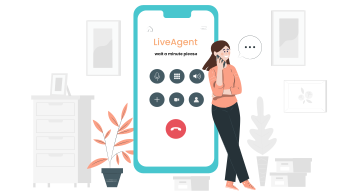
Also called POTS (Plain Old Telephone Service) or landline phone, these traditional local lines are outdated, but they are reliable and easy to use. They work on analog lines, and you can hook them to typical telephones, but there are also options to connect them to PBX or VoIP systems.
Running an efficient call center requires more than just a phone system. Modern call centers use various equipment and technology to perfect their services and improve operational speed.
These are used for inbound and outbound calls just like any other telephony service. They require reliable call center software like LiveAgent to manage and further streamline calls.
Call center agents often have to perform other tasks apart from talking to clients. They can resolve tickets, update CRM, etc. if they have a computer available.

Even though call center environments can have up to dozens of people in a single room, it’s essential to have clear communication with clients. That’s why old phone receivers are not good enough – each agent needs to have a headset with a microphone.
Consider whether you will get Bluetooth (wireless) headset or a USB headset.
Wireless headsets offer more accessibility and less disruption. Customer service agents can walk around the office while talking. However, they need to be charged. On the other hand, USB headsets don’t need charging, but they limit movement.
Ultimately, you need to decide what type of headset will work best for your call center.
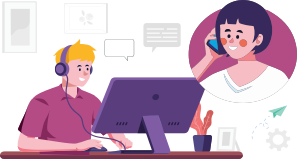
The price of a headset with a microphone can range from around $25 up to $400 and sometimes even more. It’s essential to use headsets that have noise-canceling microphones. It ensures that customers will always hear your agents clearly.
Although you can use different phone systems, VoIP or SIP phones are the current standard, and the majority of modern call centers use them.
For call management and setting up lines, the ‘SIP" Open Standard is used. Voices are transmitted using an IP network to RTP. VoIP phones offer many advantages, including:
Call center software is integral for the operations of a call center. It helps organize and manage interactions with customers, as well as monitoring leads, reporting calls, and managing phone calls.
All the interactions are monitored and stored within the CRM. This software also lets organizations create customer profiles to keep important information about them at hand. You can store a client’s phone number, email address, location, details about previous interactions, etc.
Apart from streamlining all the daily processes within the call center, it also synchronizes outgoing and incoming calls, tracks, and routes calls to agents.
Benefits of call center software:
In customer-centric organizations like call centers, it’s important to give the best possible service. By utilizing reliable help desk software call centers can improve their services even further.
The help desk is a bundled service software that allows call center agents to deal with many different customer queries including complaints, information requests, service requests, incident reports, etc. Help desk software records multiple forms of contact, including calls as tickets.
Here are some of the main benefits of using help desks:

A call center phone system is a network of hardware and software tools. Here are some of the features you should look for in your phone system.
The more advanced features your phone system has, the better. However, you should prioritize those that are the most important for your business.

Call processing includes all the steps for handling incoming calls. It is the time needed from the initial ringing of the phone to the connection with an agent. It is a significant metric and can play a major role in the overall efficiency of the call center.
Even though VoIP phone systems have many advantages, they still require proper security. When looking at an offer, make sure to look for SOC 1, SOC 2, or SOC 3 security standards. These will help you move in the right direction in terms of security. At the same time, consider finding encrypted VoIP services to reinforce security even further.
For most call centers the best option is to use a cloud-based solution. In this case, you’ll pay for the services monthly via a subscription fee. Check vendor’s payment options and policies in advance.
Look for a system that can switch between various options so that you can adjust it according to your current needs:
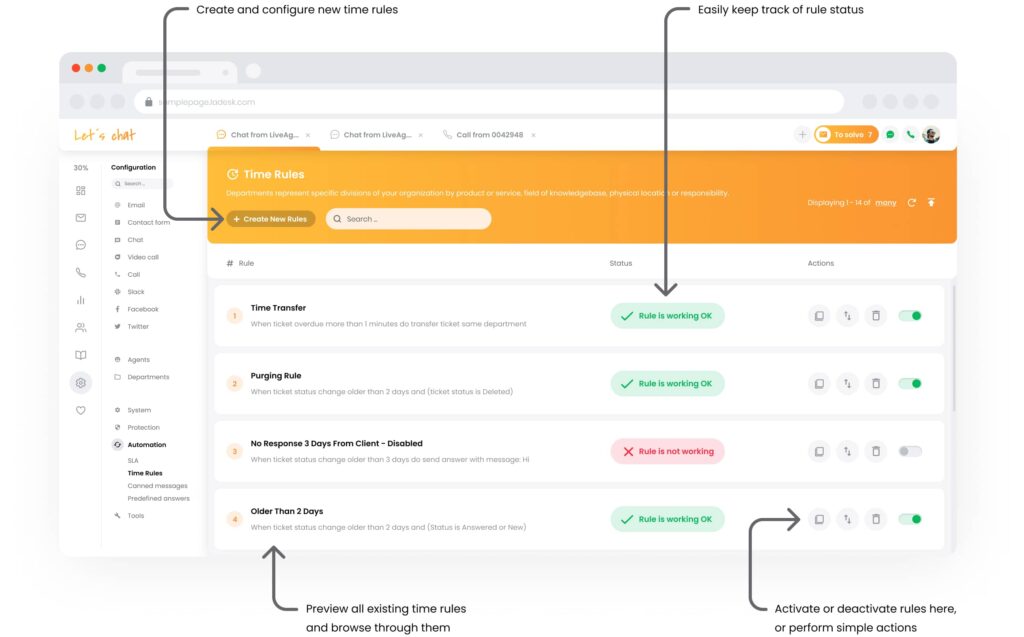
Many people like to resolve their issues themselves. It’s important to find a phone system that supports automated features that guide clients towards a knowledge base where they can get the information they need.
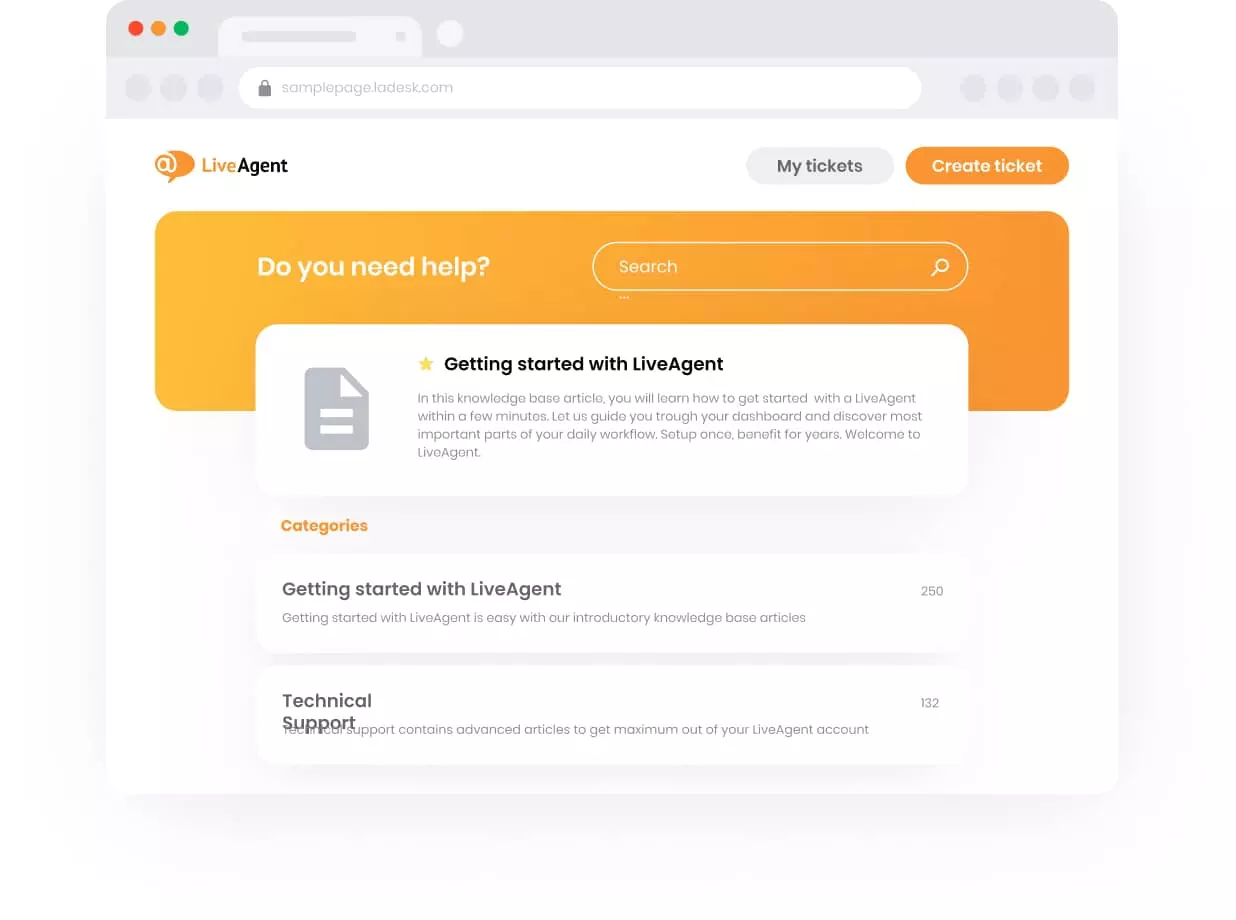
Phone system providers have different pricing plans to choose from. Most SaaS solutions use subscription fees. However, there are also pay-per-minute options.
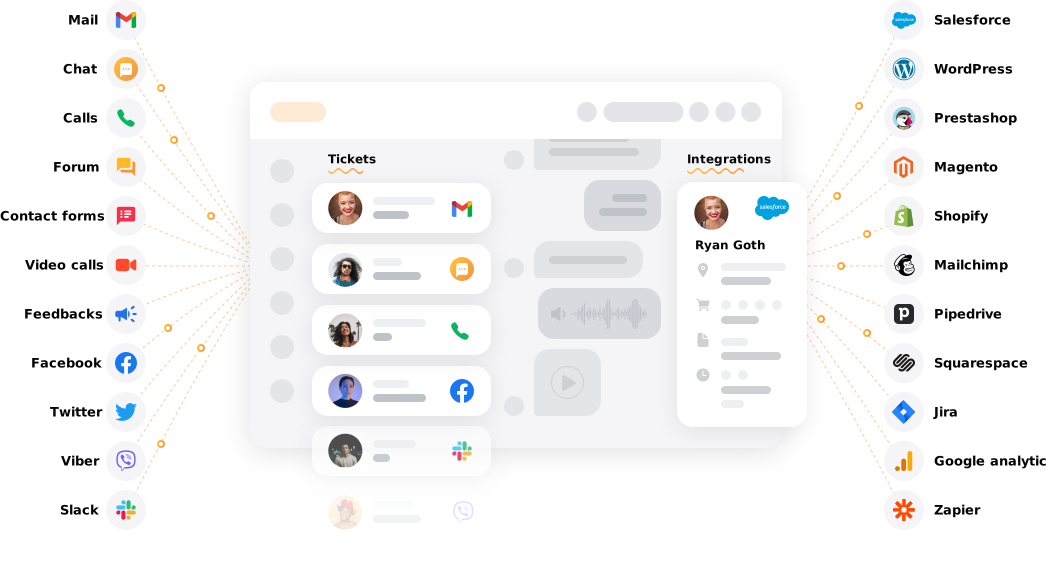
Cloud contact center software includes various tools and cloud-hosted applications that can help you work with multiple channels. You can use these tools to enjoy the advantages of telemarketing and over-the-phone sales. If you want to expand your services to more than just phones and emails, real-time chat, etc., look for a cloud-based contact center solution.
Explore the top 20 VoIP phone systems for 2026, focusing on features, pricing, and integration benefits to enhance business communication. Discover how to selec...
Discover SIP calling, a cost-efficient, scalable solution for multimedia communication via VoIP. Learn how LiveAgent enhances it today!

Discover LiveAgent's top-rated telephony software for B2B & B2C businesses, offering SIP-based VoIP support for seamless, reliable communication from anywhere. ...
Cookie Consent
We use cookies to enhance your browsing experience and analyze our traffic. See our privacy policy.