



What is an AI Virtual Assistant? Definition and Uses
An AI virtual assistant uses NLP and machine learning to resolve customer queries end to end. Learn how they work, what they cost, and when to use one.
13 min read
AI
VirtualAssistants
+2

Voice User Interface (VUI) uses speech recognition for hands-free device control, enhancing accessibility and multitasking. Popular examples include Siri and Alexa. VUI offers advantages like speed but faces privacy concerns and development complexity.

Voice user interface or VUI is for interacting with devices through voice commands. VUI offers a solution to screen fatigue, a real problem for many people, as it allows complete control over apps and devices without the need to look at screens.
VUI uses speech recognition technology and natural language processing to transform user speech into commands. It provides a completely hands-free control. Users find it helpful, for example, while driving or cooking as they are able to voice search any information they need. People with disabilities find it valuable too, as it allows them to handle their devices only by speech without the need to physically interact with them.
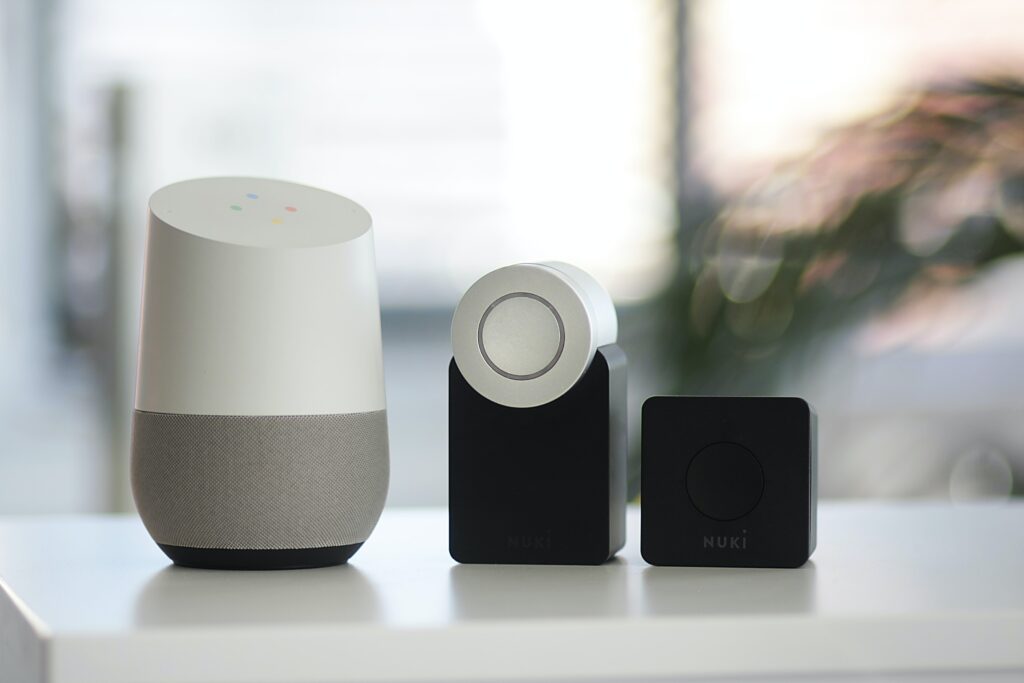
The most known voice AI is used by the “Big Five” tech companies – Microsoft, Apple, Google, Meta (formerly Facebook), and Amazon. Many tech-savvy users are already familiar with the popular voice assistants like Amazon’s Alexa or Apple’s Siri.
In recent years, however, VUI is no longer reserved only for tech giants. More and more companies are developing their own versions of VUI due to their popularity among customers.
Some of the different types of voice user interface devices include:
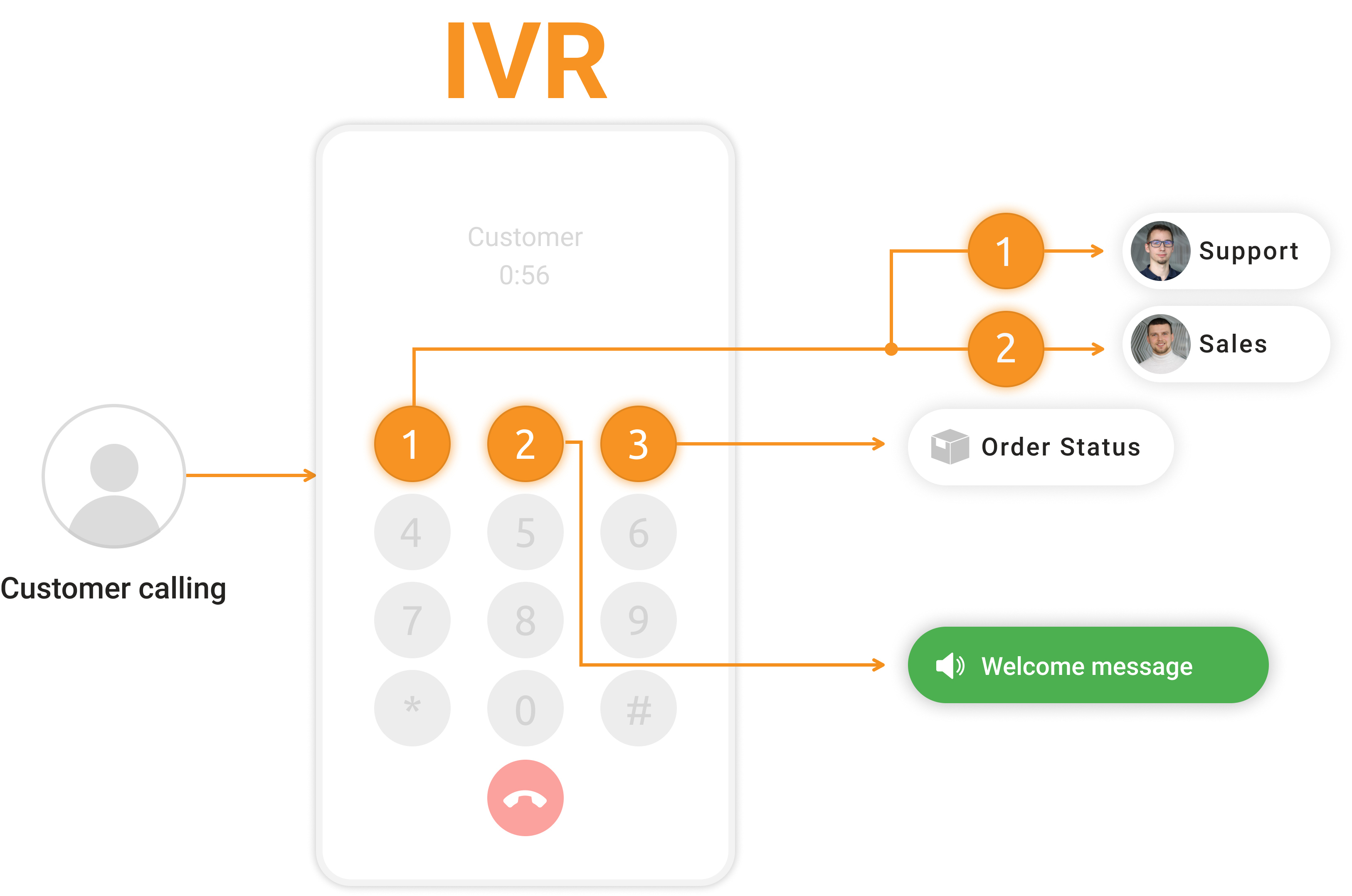
The most common type of voice user interface in customer service is IVR (Interactive voice response). It is an automated phone system that employs speech recognition technology to interact with callers. IVR makes it possible to resolve customer queries without the need to talk to an actual customer care representative. This makes it easier for customers to resolve their issues avoiding long wait times. Customer service agents also benefit from this system, because they don’t have to address simple questions repeatedly and they can focus on more demanding tasks.
Here are a few steps to keep in mind when designing a voice user interface:
You need to figure out the device persona you are targeting. Once you know the audience that will buy your product, you can identify the characteristics and abilities that your VUI device must possess.
Amazon Alexa is a great example of understanding the device persona and then delivering all that the users require. It encompasses a wide variety of options from telling you the weather to controlling smart devices.
When a user gives a voice command to an AI assistant, it consists of three components:
When designing a VUI, always look at ways your competitors implement automatic speech recognition and voice technology in their products. This helps you design your product to solve customer pain points that your competitors haven’t addressed.
Test the speech interface and voice design. Have a few test runs within your company or with outside hires. You need to ensure that the voice interaction flows naturally. Nobody wants to feel like they’re talking to a robot, so you need to make sure that your VUI device mimics a genuine human conversation.

The latest tips and deals delivered straight to your inbox.
Providing users with complete control over their devices without the need to physically interact with them is a tricky task.
Let’s have a look at a few principles to keep an eye on when designing a VUI.
These are basic tips, and are not the end-all-be-all when it comes to designing a reliable VUI device. You need to focus on the needs of your user base and design your VUI product accordingly. Ask your users for customer feedback, listen to their experiences, and analyze their behavior. This way you will be able to create a product that your customers find helpful and enjoyable to use.
When a phone rings in circumstances when the user cannot answer it and put it to their ear, VUI can be a lifesaver. Furthermore, voice search technology is commonly used in the home as well as business environments.
VUI is a great option for people who suffer from physical impairments. VUI devices can read a text to visually impaired people or convert voice messages into text for those who are hard of hearing. For many disabled people, it is a challenge to physically interact with their devices. Therefore, VUI tools are necessary for their day-to-day tasks.
Simply put, it is much quicker than typing. Furthermore, turning off the lights in the bedroom when you’re already laying in bed is way easier if you just tell Google assistant to do it.
Virtual assistants like Google Home allow users to control 1K smart devices like TVs, kettles, microwaves, etc.

The voice command can be given in different ways and still achieve the desired outcome.
When using a VUI device, your private data can be tracked and collected by the manufacturer. There have been accusations against Amazon Alexa and Google Home eavesdropping on users’ private conversations.
Smart home devices that allow virtual assistant interactions can be very expensive. Also, let’s not forget about the higher electricity bill you may have to pay if you own a number of these devices.
Even though VUI devices have been on the rise, they are still very complex and difficult to develop. When creating a VUI product, designers have to overcome challenges like accents, background noise, vocal nuances, etc.
An AI virtual assistant uses NLP and machine learning to resolve customer queries end to end. Learn how they work, what they cost, and when to use one.

Effortlessly manage calls with LiveAgent's customizable IVR system. Improve customer satisfaction, reduce wait times & streamline support!

AI customer service agents boost efficiency with instant responses, sentiment analysis, multilingual support, and personalized interactions. They reduce costs, ...