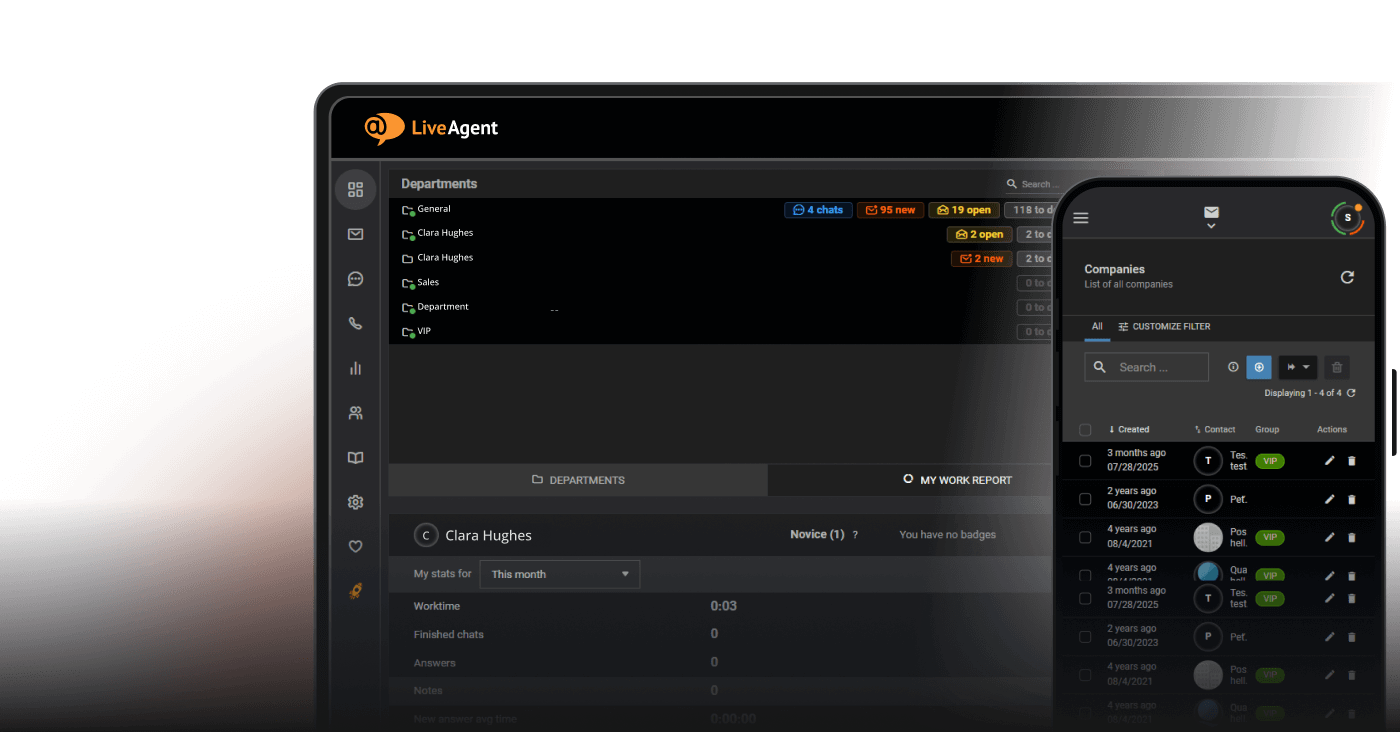


20 Best VoIP phone systems and integrations
Explore the top 20 VoIP phone systems for 2025, focusing on features, pricing, and integration benefits to enhance business communication. Discover how to selec...
24 min read


SIP calling (Session Initiation Protocol) is a signaling protocol for managing communication sessions over VoIP and cloud platforms, favored for cost efficiency, scalability, and flexibility in supporting voice, video, and multimedia communications.

SIP calling is also known as Session Initiation Protocol calling. Session Initiation Protocol is a signaling protocol used for initiating, maintaining and terminating communication sessions over VoIP and other Internet and cloud-based communication platforms. SIP calling is often interchanged with VoIP calling, however, that isn't exactly correct.
VoIP (Voice over Internet Protocol) is a broader term that refers to a group of technologies used for sending and receiving phone calls made over the internet rather than traditional phone lines. While SIP is one individual technology that supports VoIP. In addition to voice calls, SIP protocol is used to transmit various data, including video chats and video calls, video conferencing, instant messaging and other multimedia communications.
Apart from initiating telephone calls, a SIP phone system is capable of performing other VoIP functions, such as identifying user location, determining their availability to respond and whether the recipient’s device is compatible with the initiated call type, transferring and terminating calls, etc.

A traditional phone system consists of three core parts:
SIP calling basically allows omitting PRI lines as it uses a SIP trunk (which is a virtual connection) that directly connects PBX with PSTN over the Internet. SIP calling also removes the need for multiple phone lines which allows for easier and cheaper scalability as compared to using traditional business phone lines.
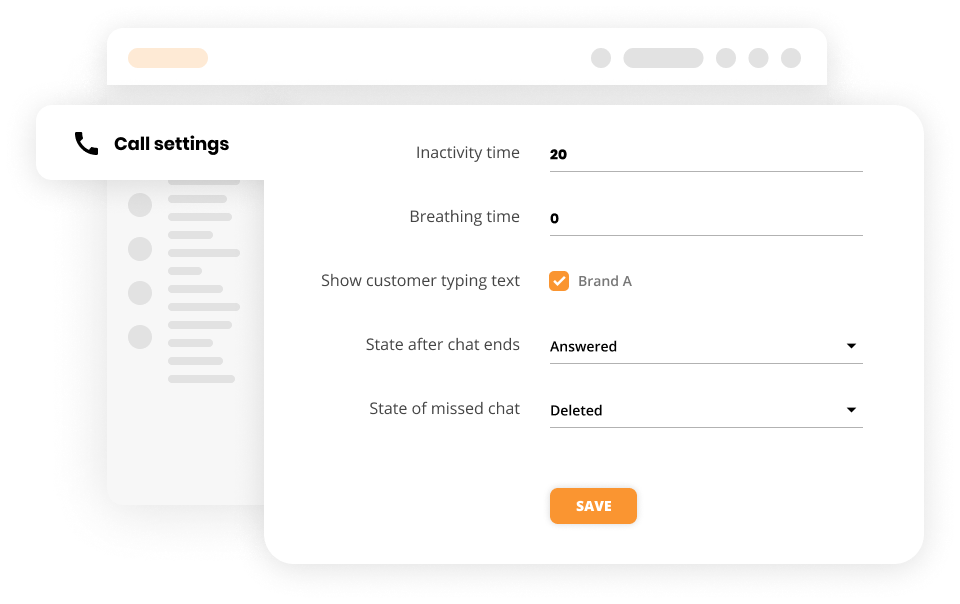
Since each SIP trunk can hold an unlimited number of channels (a channel is equivalent to one incoming or outgoing call), a business would require a single SIP trunk regardless of the number of concurrent calls. Instead of purchasing additional phone lines that usually come in clusters of 23 (which is typically more than actually used), with SIP calling you can buy one channel at a time only when it’s needed.
Besides, SIP calling provides significant cost-savings in business communications as local, long-distance and international calls can be made by simply using the internet connection.
SIP calling and LiveAgent helpdesk software are two products that can be seamlessly integrated, providing business owners with a unified communication experience for their customers. This integration allows customers to place calls directly to the helpdesk and for helpdesk agents to easily access customer information and knowledge bases.
With SIP calling, businesses can save time and money by making calls more efficient, and LiveAgent helpdesk software ensures customer service is always at the highest level.

Make cost-efficient VoIP calls with LiveAgent's SIP trunking provider integrations including Twilio, with call recording and robust tracking.
While VoIP can operate without SIP, it is a commonly used protocol for enabling VoIP communication. However, it is not the only option available. Other protocols, such as H.323, can also be used for VoIP communication. SIP is often preferred due to its flexibility, extensibility, and compatibility with other internet protocols.
SIP calling unlocks an array of benefits for businesses. A SIP phone system is easy to set up, manage and scale whenever needed without the need for adding more telephone lines. It allows for greater cost efficiency by eliminating multiple networks, excess hardware, installation and maintenance costs. Since SIP calls can be received on all kinds of laptop and mobile devices and easily routed, that helps make your business more available for customers and employees.
SIP calling is widely adopted by small businesses and startups in a variety of sectors due to its effortless implementation, flexibility, easy accessibility across devices, scalability, reliability and cost efficiency. Many organizations use it for both external and internal communications. Though larger businesses might be challenged by switching to SIP trunking and taking their PBX system to the cloud, they can also benefit from the long-term cost savings on their communication expenses.
LiveAgent call center software can be integrated with a variety of third-party apps, including a number of SIP trunking providers, such as Twilio. You can easily connect softphones as another device, add your SIP provider and make SIP calls in LiveAgent, while these calls will still be handled, recorded and tracked by LiveAgent's own robust network infrastructure. For adding your own SIP provider into LiveAgent, please refer to this guide: Integration of SIP provider for hosted licenses.
Explore the top 20 VoIP phone systems for 2025, focusing on features, pricing, and integration benefits to enhance business communication. Discover how to selec...
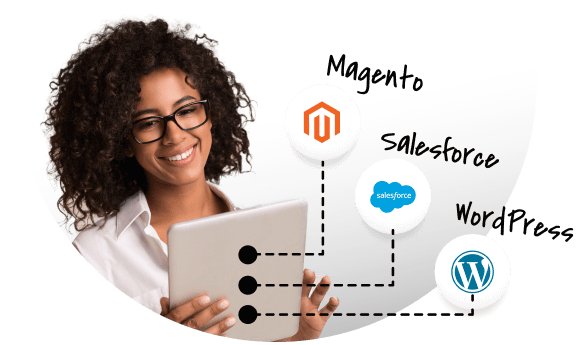
Sinch offers global VoIP solutions, including voice, video, SMS, and API integration for diverse industries. Easily integrate Sinch with LiveAgent to manage mul...

Discover the benefits of VoIP PBX, a flexible, cost-effective phone system for businesses offering scalability, mobility, and data security.
Join our community of happy clients and provide excellent customer support with LiveAgent.