
First Call Resolution
First Call Resolution (FCR) is a key customer service metric that measures a company's ability to resolve issues on the first interaction, enhancing customer sa...
6 min read
Customer support
Call Center software
+1


First contact resolution (FCR) measures the percentage of customer issues resolved during the initial interaction, improving satisfaction and reducing support costs.

First contact resolution (FCR) is a prime KPI that refers to the ability of a customer support team to resolve customer inquiries during the initial interaction. This includes emails, calls, live chat messages, social media, and others. It measures the percentage of cases that are resolved without the need for a follow-up.
Have you ever reached out to a customer support team, only to be bounced around from one agent to another? I know what you’re thinking: How great would it be to solve any issue right off the bat? This is where the importance of first contact resolution comes into play.
According to industry standards for satisfactory FCR, the benchmark is around 65-75%. If your FCR is below 65%, it doesn’t necessarily mean that your customer service performance is poor. It’s important to take into consideration the type of industry you operate in, as well as the complexity of your product or service. However, FCR rates that are close to 90% are generally considered high, while going below 40% is considered low.
There is a slight difference between first contact resolution and first call resolution. While they may sound similar, they have different meanings.
First contact resolution measures the percentage of support tickets that are successfully resolved during the initial point of contact, regardless of the communication channel used.
First call resolution refers to resolving customer issues during the first phone call. It measures how often a customer’s problem is resolved without any follow-up call or additional phone contact. Businesses strive to optimize this KPI by providing comprehensive resolutions during the initial customer contact, minimizing the need for further communication.
Both metrics are essential for measuring the effectiveness of your customer support. Still, first contact resolution offers a broader scope in terms of communication channels while first call resolution zooms in on phone call interactions.
First contact resolution (FCR) is an important performance metric for every business that offers customer support because it helps to improve customer satisfaction and, therefore, drive customer loyalty. It also measures the efficiency of your agents and their ability to handle issues quickly and effectively, ultimately impacting the percentage of customers who become loyal and repeat buyers. All this combined can have a significant impact on the overall success of your business and your profitability.
Nevertheless, there are still many companies that don’t measure this KPI. If you are one of them, take a look at these few things this KPI proves to be useful for:
Let’s take a closer look at the various advantages of FCR and what types of industries can benefit from it.
Many people avoid contacting customer service. Some of the reasons may be long wait times, lack of responses from customer service team members, communicating with a chatbot that doesn’t understand the issue, or explaining the issue over and over again to different representatives. FCR reduces the customer effort and by resolving their issues during the first contact, it makes them feel valued and builds their trust in the brand. This can all lead to significant improvement in customer satisfaction and their experience.
When the customer receives prompt and efficient solutions to their problem, they are more likely to remain loyal to your brand. Repeat business coupled with positive word-of-mouth recommendations can lead to long-term customer relationships and higher customer retention rates.
Resolving tickets and customer issues during the first interaction reduces the need to handle the same customer request multiple times. This saves their time and allows them to focus on other customers, resulting in higher operational efficiency, productivity, and employee satisfaction. Being more efficient can also translate into more cost savings and optimized source allocation.
Businesses that focus on prioritizing FCR can be perceived as reliable and have a customer-centric approach. When a business has a satisfied customer base, it can contribute to a positive brand image, attract new clients, and boost its brand reputation.
FCR also has an impact on reducing customer support costs. By resolving customer issues during the initial contact, operational costs decrease as there is less need for follow-up interactions and resources can be allocated more efficiently. And because it also increases agent productivity by enabling them to handle more inquiries, it can reduce staffing costs. Moreover, higher FCR rates contribute to decreased customer churn and lower costs associated with customer acquisition.
By efficiently resolving issues during the initial customer interaction, businesses can create a positive customer experience, build trust and loyalty, and identify potential sales opportunities. Moreover, satisfied customers are more likely to repeat the purchase and become returning customers. It can also help to implement an upselling and cross-selling strategy – offering customers a complementary service or product during the purchasing process.
Some of the different industries that can benefit from FCR include:
To work with the available data, you need to get them in plain old numbers so you can set achievable goals for yourself and your business.
The first contact resolution formula for gross FCR is as follows:
Gross FCR = Tickets resolved at first contact / Total number of incoming tickets
And the net FCR formula looks like this:
Net FCR = Tickets resolved at first contact / (All incoming tickets – Tickets that can't be resolved at the first level)
Let’s say your customer support team handled 100 inquiries in the course of one week. Out of those, 80 inquiries were resolved without the need for any follow-up interaction. In this case, the FCR would be calculated as follows:
FCR = (80/100) * 100 = 80%
The FCR metric equals 80%, which means that 80% of the customer inquiries were successfully resolved on the first contact.
A good first contact resolution (FCR) rate typically depends on the type of industry a company operates in and the complexity of customer queries. While there is no universally perfect FCR rate, every company should aim for a higher percentage.
Benchmarking yourself against industry standards can give you an idea of what is considered a good FCR rate. For instance:
While these examples provide a good overview of the standard FCR based on the industry or type of the company, it’s important to establish your own baseline and continuously work towards improving it.
If you want to achieve the best possible FCR rates, let’s get into some of the best practices you should consider implementing.
By documenting your answers to common customer issues and problem-solving processes, it becomes much easier for support agents to provide accurate and consistent information quickly. Building an internal knowledge base allows you to have a centralized place where agents can find solutions to common issues, saving time and increasing the likelihood of resolving customer tickets during the initial contact.
Additionally, it helps foster a culture of knowledge sharing and continuous improvement within your organization. When a team member faces unique or complex issues, they can document each step they took to resolve the problem and add it to the knowledge base library. This expands the repository of solutions, making it easier for future agents to handle similar cases.
Responding promptly to customer inquiries can also improve the first contact resolution rates. When a customer reaches out to the support team, they expect quick responses that have a significant impact on their experience. This positive impression at the start of the interaction sets the tone for a productive conversation and increases the chances of resolving the issue in the initial contact. It also prevents customers from being frustrated and looking for assistance through additional communication channels before receiving answers.
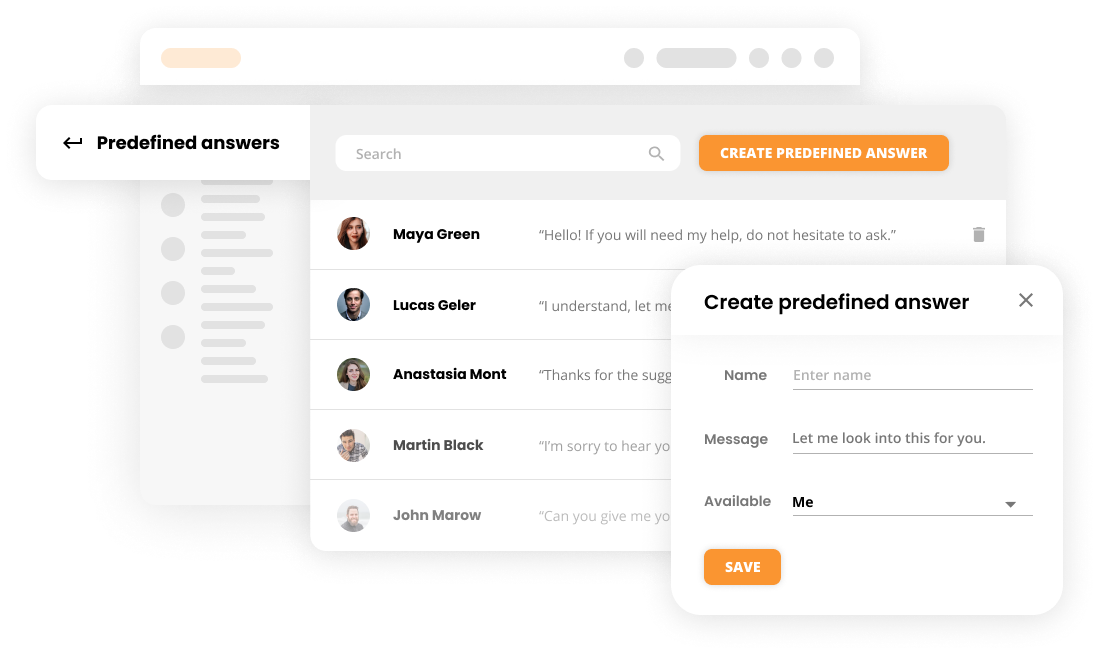
To help your customer support representatives provide these quick answers, you can take advantage of predefined answers to streamline your responses, enabling your team to provide timely and consistent support, as well as excellent customer service.
In order to resolve an issue, the customer needs to understand the steps they need to take or actions that are required to resolve their issue. Therefore, providing clear instructions during the conversation between a customer and a support agent is crucial to improving FCR.
By breaking down more complex solutions into clear, step-by-step instructions, agents can guide customers through the troubleshooting or resolution process. This minimizes the chances of confusion, increasing the likelihood of successful resolution without the need for additional interactions.
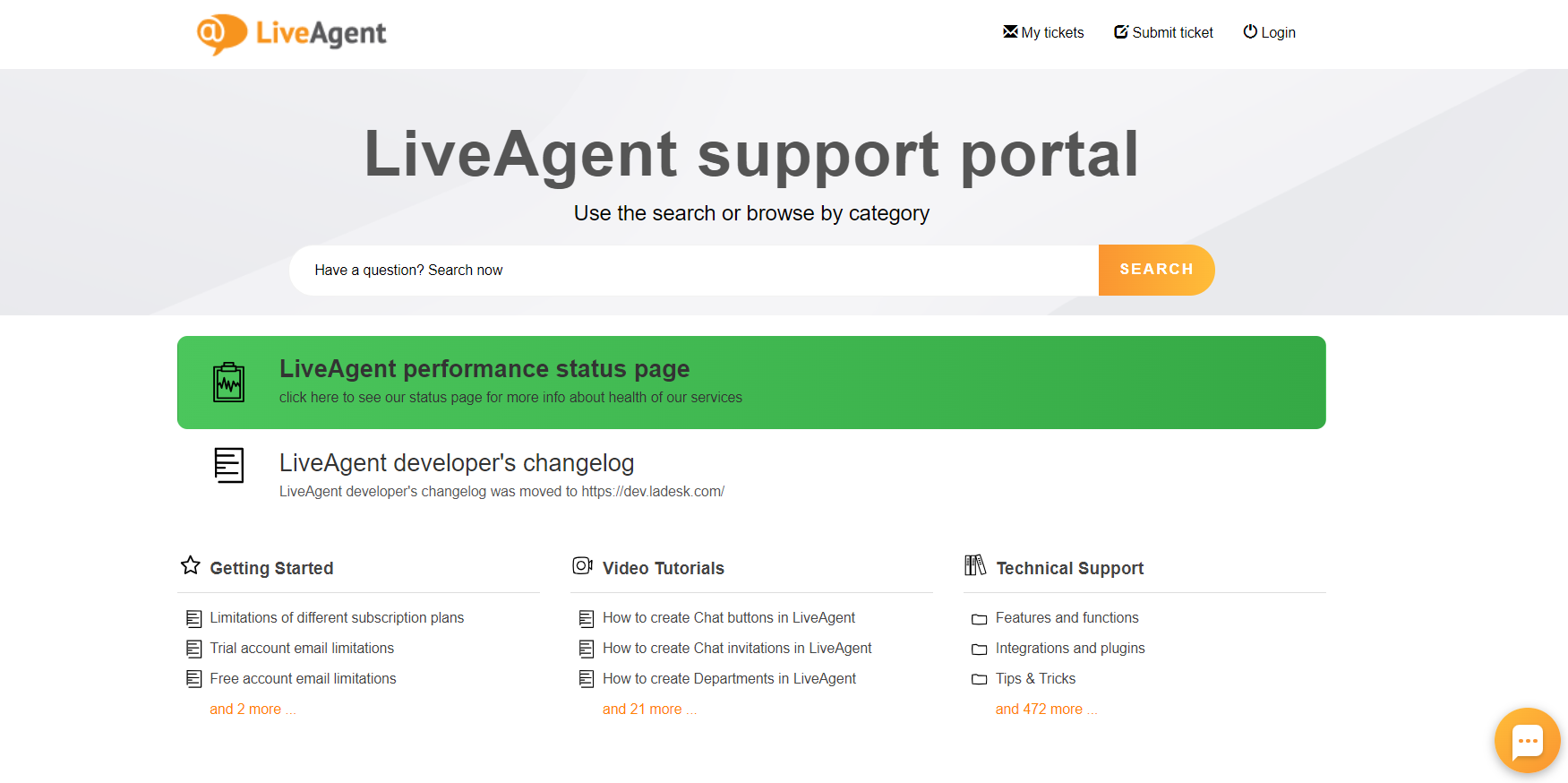
A self-service portal is a powerful tool that can also improve the first contact resolution. It allows customers to find answers and solutions to their inquiries on their own, reducing the need for them to reach out for assistance. It provides instant access to information and self-service resources, such as FAQs, knowledge base articles, tutorials, and troubleshooting guides. Customers can simply search for their question or problem and find relevant resources to help them resolve it.
Additionally, the customer portal is available 24/7 which allows customers to access the portal at any time, even outside of regular business hours. This eliminates the frustration of having to wait for support during limited support hours.
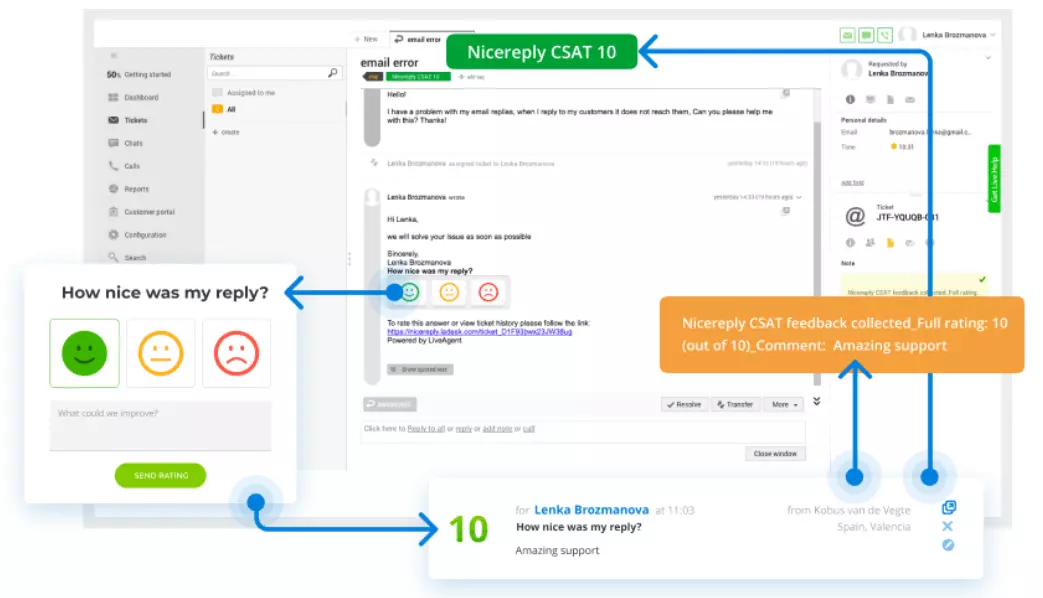
Encourage your customers to leave feedback on their customer support experience during the initial contact. By seeking this feedback, you can gain valuable insights into the effectiveness of your customer support efforts and identify areas that can be improved.
Whether positive or negative, customer feedback can shed light on pain points and gaps in knowledge. By analyzing it, companies can take proactive steps to address the root of the issues and improve their FCR rates.
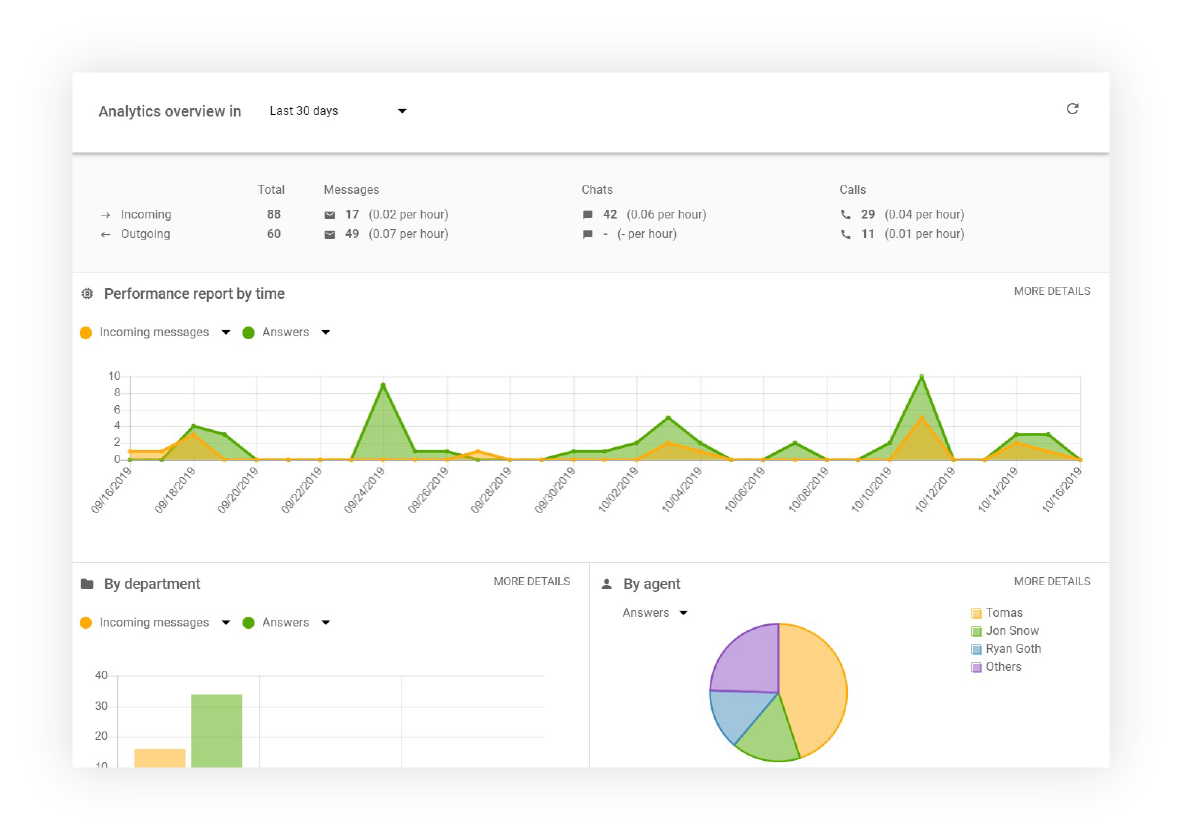
Analytics provide valuable data that can be used to monitor and measure the FCR performance, identify common patterns, and pinpoint areas for improvement. By analyzing key contact center metrics such as FCR rate, average handling time, customer satisfaction scores (CSAT), or repeat contact rates, businesses can gain a clear understanding of their support team’s performance and customer satisfaction levels.
By utilizing data analytic tools, you can get insights that will help you make data-driven decisions. Identify specific areas where improvements are needed, refine processes, and allocate resources strategically to enhance FCR rates.
There are some challenges that companies may encounter on their way to achieving high FCR rates. Let’s take a look at some of the common pitfalls.
Some inquiries or issues may be more complex and require deeper investigation. This can make the resolution within the first contact difficult.
Example: Certain technical issues that involve troubleshooting or complex product knowledge may require collaboration between multiple different departments, leading to additional follow-up interactions.
There are certain issues that may require a specialized set of skills or knowledge that your support team might not possess. This leads to escalations or transfers, which affects your FCR rates.
Example: Healthcare organizations that are dealing with different medical inquiries may require specialized personnel such as doctors or nurses to provide accurate information, making immediate resolution quite challenging.
When your agents are not trained adequately or lack access to resources, they may struggle to address customer inquiries effectively. Limited resources and outdated information can lead to delays in finding solutions and therefore, lower FCR rates.
Example: A technology company can receive an inquiry regarding a software integration issue. The support agent initially tries to troubleshoot the problem but realizes that it requires collaboration with the development team. This leads to a transfer, resulting in multiple touchpoints and a decrease in the FCR rate.
To avoid these common pitfalls, you can consider:
Immerse yourself in the world of first contact resolution with our informative video. Explore how this critical customer support metric plays a pivotal role in enhancing efficiency and customer satisfaction. Learn about the strategies and techniques that empower support teams to resolve customer issues swiftly and effectively, right from the first interaction.
The first contact resolution (FCR) is a key metric in customer support that measures the ability to resolve issues during the initial interaction. By focusing on promptly resolving these problems, businesses can enhance customer satisfaction, brand reputation, and operational efficiency.
Implementing best practices such as documenting solutions, providing clear instructions, and offering self-service options can help improve your FCR rates. However, challenges like complex issues and the need for specialized skills may affect FCR.
By investing in training, resources, and effective communication, businesses can overcome these obstacles and strive for higher FCR rates, which ultimately leads to happier customers and streamlined support experiences.
You can try out LiveAgent’s 30-day free trial and increase your first contact resolution rates by implementing our reliable customer service software.
Resolve issues faster with LiveAgent's knowledge base, predefined answers, and unified customer history for improved FCR rates.
First Call Resolution (FCR) is a key customer service metric that measures a company's ability to resolve issues on the first interaction, enhancing customer sa...
Boost customer satisfaction with expert tips on call resolution. Learn how to measure, improve, and tackle challenges effectively!
Boost customer service satisfaction with strategies, CSAT tools, and LiveAgent to exceed expectations. Learn how to measure and improve satisfaction metrics.
Join our community of happy clients and provide excellent customer support with LiveAgent.