
Escalation Management
Explore effective escalation management strategies to enhance customer satisfaction by prioritizing and resolving issues efficiently. Learn about functional and...
4 min read
Customer support
Ticketing
+1


An escalation manager oversees customer service escalations, ensuring issues are resolved promptly. Key skills include communication, training, and process improvement.

An escalation manager is a customer service expert whose responsibility is to oversee escalation management procedures. Hence, their activities are focused on increasing customer satisfaction through customer service.
The escalation manager implements a company’s escalation plans. Their job description also involves maintaining and improving existing escalation procedures. These agents ensure every customer request is assigned to the appropriate team and at the proper authority level.
Due to their expertise, they can resolve complex issues quickly and efficiently. They can handle customer conflicts that may prove difficult for other customer service employees. Providing appropriate customer support training includes teaching de-escalation techniques for customer service to manage difficult situations effectively.
They also analyze escalation performance metrics and quality trends periodically. Based on their findings, they can give valuable recommendations for process and product improvement.

Customer service is not without its lapses. Escalation procedures must be used to resolve these lapses promptly in order to attain maximum customer satisfaction. Here is where an escalation manager comes in.
An escalation manager ensures the entire escalation management process in a customer service team is well implemented. This usually involves escalation administrative tasks like defining escalation rules, enabling escalation through chosen communication channels, etc.
Employee development is essential to the quality of service your agents deliver. An escalation manager plays a role in equipping other agents with training to upgrade their skill level to help them deal with more complex customer issues.
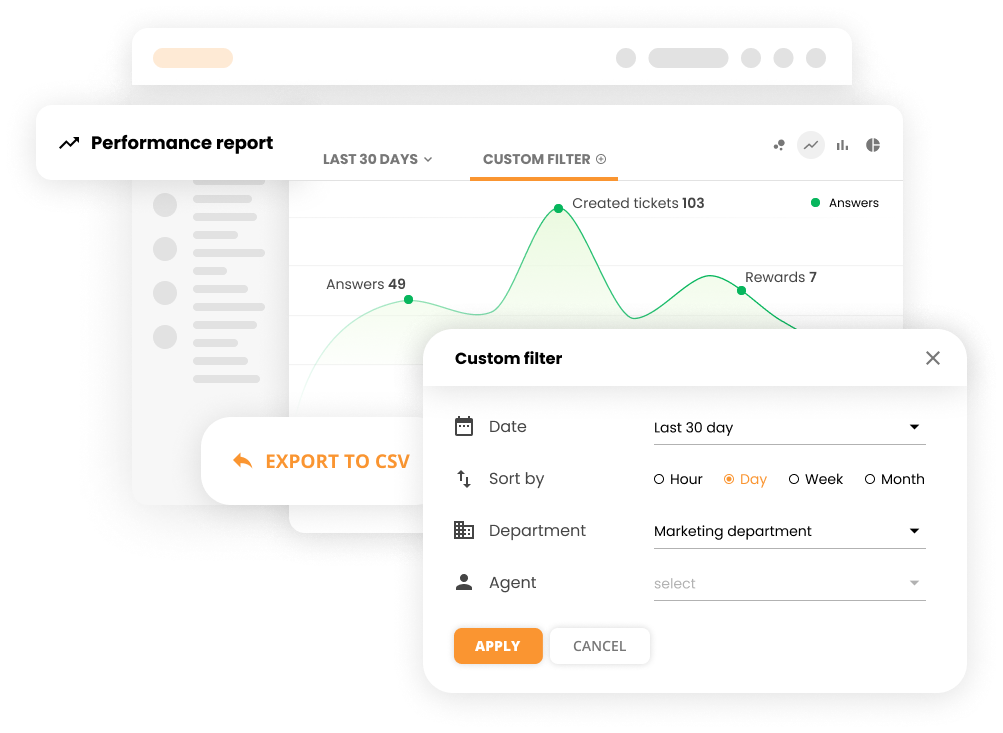
Tracking the performance of processes is important in customer service. A good escalation manager keeps track of the effectiveness of escalation procedures within a customer service team.
An escalation manager role is an experienced role that requires executive-level communication skills to communicate effectively with top management staff and other customer service employees.
It involves managing customer escalations. Hence, if you’re looking to become an escalation manager, you want to start by evaluating your level of education. Most companies require you to have at least a bachelor’s degree in a relevant discipline.
Suppose you have a high school diploma or GED. In that case, you might also get a shot at being an escalation manager with adequate work experience in roles related to customer service or similar fields. Typically, you would be skilled at complex issue resolution and possess quality leadership skills.
Curious to know how much an escalation manager earns? They get an average salary of $43,401 a year.
Here are 5 best practices that can help an escalation manager carry out their duties effectively:
Happy customers make successful businesses. Hence, satisfying the customer must be a top priority. This is why escalation procedures are necessary in the first place. However, satisfying customers also involves understanding their needs and the value they bring to the business.

As an escalation manager, this understanding forms the basis of every activity you carry out and helps you make solely customer-centric decisions.
In customer service, a service-level agreement (SLA) is a contract or agreement that defines the level of service expected from the customer service agents. For example, if you expect call-center agents to always request for and record customer contact details at the beginning of every call, outline it in your SLA, and it becomes a binding requirement for the team.
They are a great way to establish standards, benchmarks, and measurable indicators for customer service agents, mainly in IT support helpdesk environments. SLA’s also help escalation managers prioritize issues, making it easy for agents to recognize which ones require immediate attention.

To get the best output from your team, you’ll need to equip them with the necessary tools. These tools can be software or hardware tools.
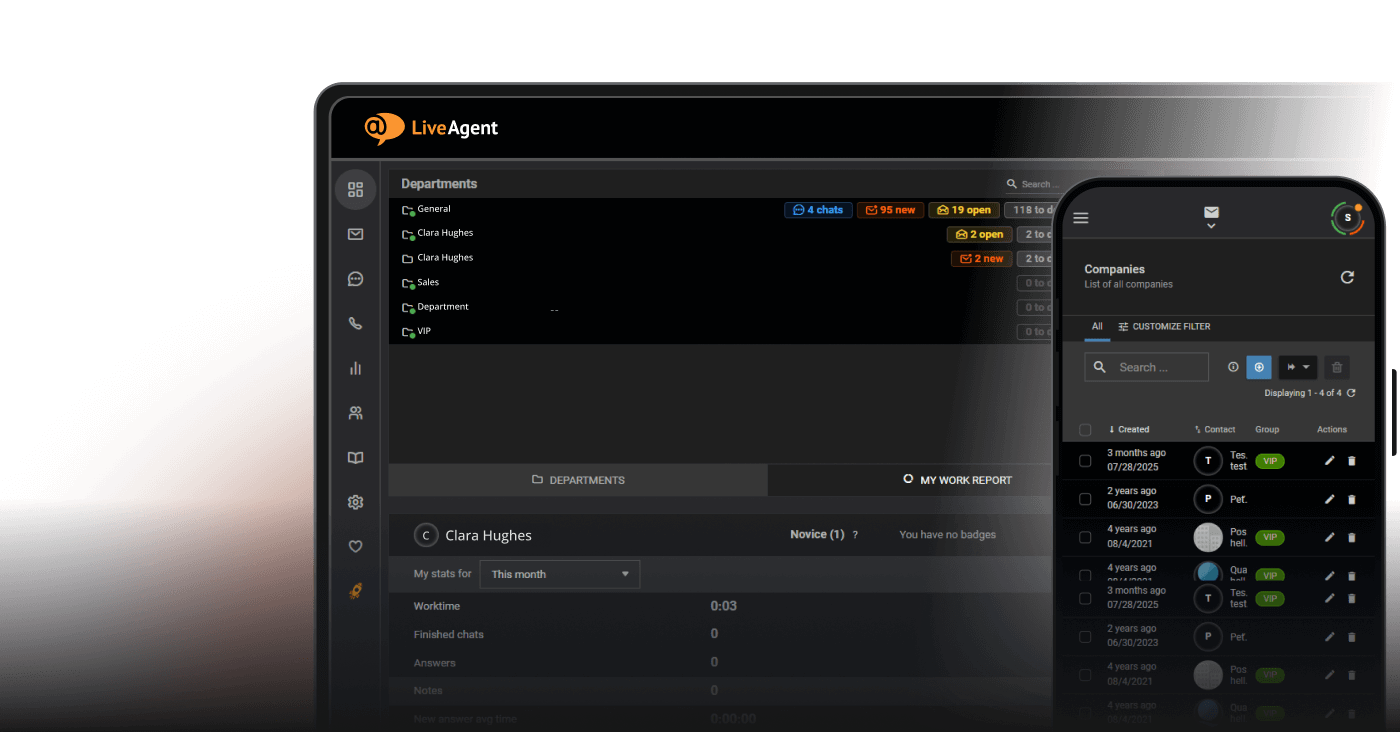
Every customer service team performs better with a help desk software tool such as LiveAgent. With features that make it easier to handle escalated issues regardless of the communication channel, it makes your job easier as an escalation manager.
Physical tools like noise-canceling headphones can also improve your service quality, especially if your agents work remotely.
Apart from making sure your agents are equipped with the necessary tools, their knowledge and skill level also play a significant role in their performance. This is why training is essential.
A key focus of an escalation manager is making sure there are as few issues to escalate as possible. Agents, especially customer-facing reps, are the customers’ initial contact with the customer service team. The more issues they can resolve, the fewer escalated issues you’ll have. This is the reason why training them to handle complex situations is important.
Training agents on soft skills such as empathy, active listening, clear communication, assertiveness, and taking responsibility can help them deliver better services to customers and make the whole team more efficient.
To avoid the same problems that lead to escalated issues, continuous improvement is key. This is why you should always track and record every escalated scenario. By doing this, you can easily identify common gaps that lead to escalated customer issues.
You’ll also be able to make recommendations to your team members and the company’s management team to improve processes or products. This will set the business on the path to improved customer service.
Handle escalated customer issues efficiently with LiveAgent's advanced ticketing, SLA management, and agent training tools for superior resolution.
Explore effective escalation management strategies to enhance customer satisfaction by prioritizing and resolving issues efficiently. Learn about functional and...
Discover the essential skills, duties, and responsibilities of a customer service manager to enhance customer satisfaction and team performance.
Learn how to manage escalations in customer service with LiveAgent, improve satisfaction, and enhance support efficiency.
Join our community of happy clients and provide excellent customer support with LiveAgent.