
Ticket/Customer insights (CRM)
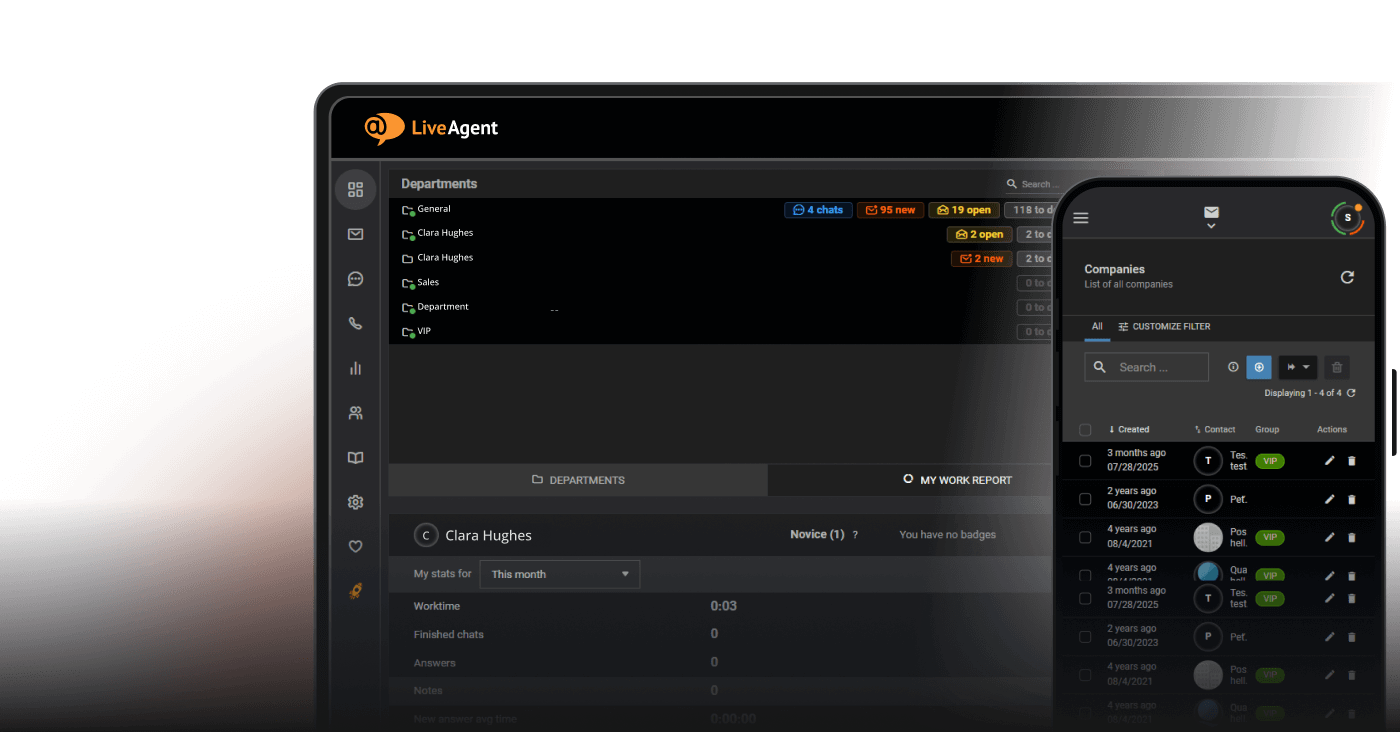
LiveAgent's CRM tool offers ticket/customer insights by storing customer data, past interactions, and custom fields to enhance support and sales experiences. In...
5 min read
CRM
Customer Insights
+2


CRM (Customer Relationship Management) is a centralized database system that helps businesses manage contact and account-level information, streamline customer interactions, and improve sales processes.

CRM (Customer Relationship Management) software is a centralized database that helps businesses manage contact and account-level information. It records, stores, and analyzes customer data, making it easier to communicate with customers and potential customers, track and nurture contacts, build customer loyalty, and drive repeat sales.
A good CRM system integrates with other business platforms. This helps centralize customer data, providing a comprehensive view of the customer journey from marketing to sales and service. By centralizing contact information and ongoing activities, CRM software boosts customer retention and enhances the overall customer experience.
Many CRM solutions come with advanced features such as workflow automation, robust reporting, and analytics. These features help organizations improve efficiency and make data-driven decisions. Here’s a quick look at essential CRM features:
CRM software offers numerous benefits, centralizing all customer data for improved retention and relationship management. It streamlines processes across various departments, enhancing productivity and customer satisfaction.
Sales Efficiency: By automating repetitive tasks, CRM systems free up sales reps to focus on closing deals. Tools like sales pipelines and workflow automation are essential for accelerating sales processes.
Marketing Automation: Marketing teams can automate campaigns and segment customer lists, refining targeted marketing efforts for better results and improved ROI.
Enhanced Customer Service: A centralized database allows service teams to track all customer interactions, leading to more effective support and problem resolution.
Valuable Insights: Extensive analytics tools provide insights into customer behavior and project profitability, aiding strategic decision-making and business growth.
Improved Customer Retention: By maintaining comprehensive customer information and interaction history, businesses can provide personalized service and build lasting relationships.
Better Team Collaboration: All team members have access to up-to-date customer information, enabling seamless collaboration and consistent customer experiences.
CRM software provides a central place to store prospect and client data. The data is then analyzed to improve sales with a business. You can track all interactions with a customer and share this information with other team members. The system typically includes:
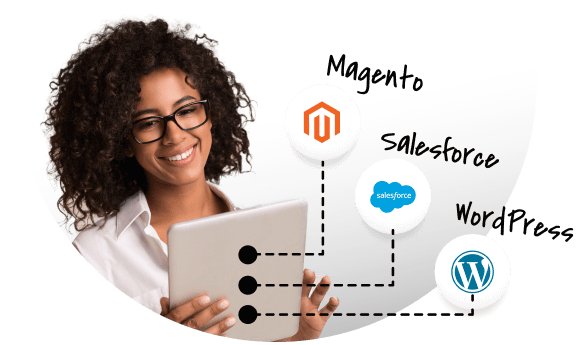
CRM software connects to email, social media, calendar, and communication channels. Although you could enjoy as many features as possible, different CRM software connects to varying channels. Some features are inbuilt for CRM software, but others need to be customized, especially third-party platforms.
You will find CRM software connected to:
The cost of CRM varies widely depending on features, number of users, and deployment model:
When selecting a CRM platform for your business, consider:
While not a traditional CRM system, LiveAgent offers excellent features and integrates seamlessly with other CRM systems, making it a top choice for comprehensive customer support and interaction management. It combines various communication channels, enabling businesses to streamline their customer interactions and improve response times.
Other popular CRM solutions include:
CRM software is a vital tool for managing customer relationships and enhancing sales processes. By integrating with other platforms, it offers a powerful solution to improve organizational efficiency and customer engagement. The best CRM tools centralize customer data and enhance interactions throughout the sales cycle, leading to improved customer retention and relationship management. Top CRM systems act as a single source of truth, providing all team members with up-to-date customer information and enabling data-driven decision-making.
Centralize customer data and streamline interactions with LiveAgent's seamless CRM integrations and contact management tools.
LiveAgent's CRM tool offers ticket/customer insights by storing customer data, past interactions, and custom fields to enhance support and sales experiences. In...
Agile CRM integrates with LiveAgent to enhance customer service efficiency. It automates sales and marketing, providing business intelligence. Integration via Z...

Boost your customer support with LiveAgent's built-in CRM! Manage interactions, track leads & store data seamlessly. Try free for 30 days!
Join our community of happy clients and provide excellent customer support with LiveAgent.