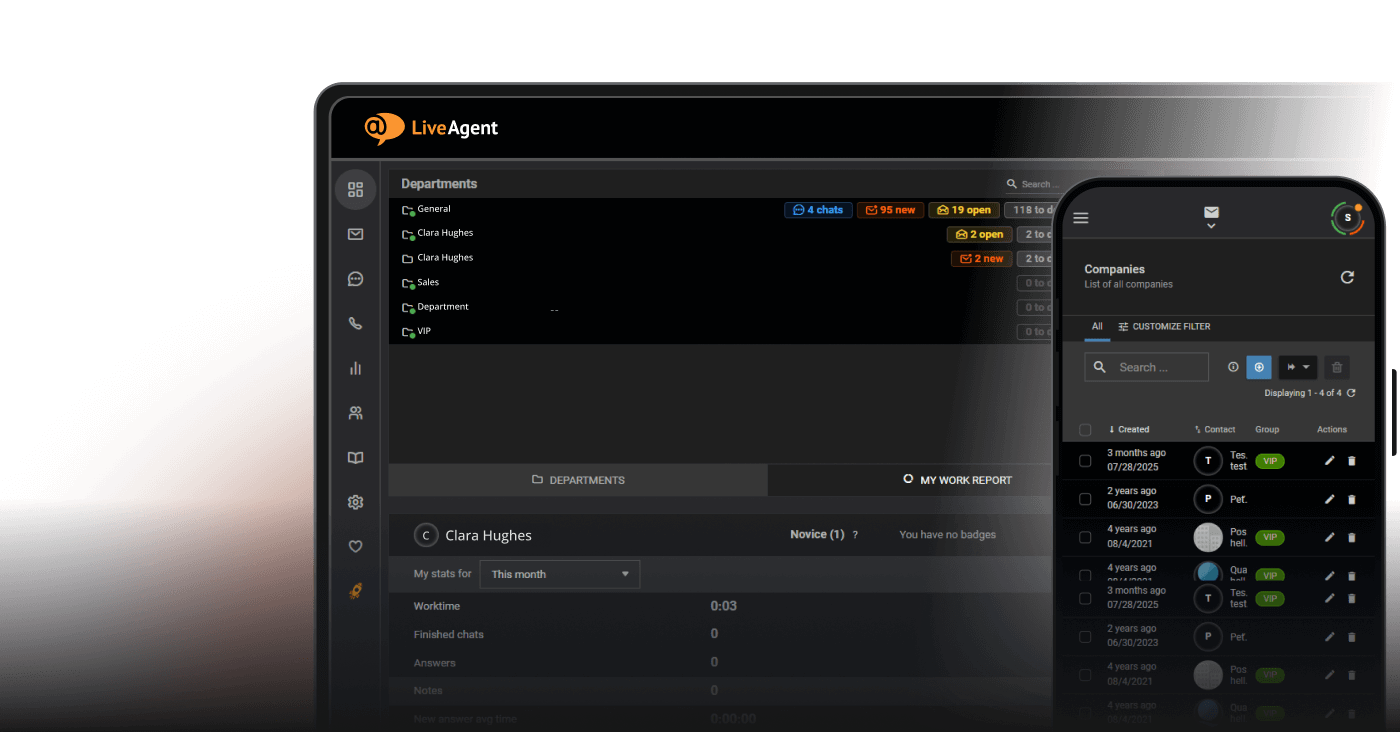
The role of the bulk import tool is to provide a fast way to import large quantities of data into the system. It is often overlooked, however it is an important feature of a ticketing system. The types of data vary and can include customer information, user profile lists, lists of system users, and many more. It doesn’t only work for adding new bulks of data, but also for updating the information that is already in the system. For example, it can be used for updating and extending an existing customer list in your CRM.
When Do You Need Bulk Import?
When you’re working with, for example, an IT support ticket system, the chances are that you have to work with large amounts of data all at once. That is exactly the case where bulk import proves invaluable because it simplifies the import process and saves you time as you don’t have to add each piece of information into the system one by one. Based on the privileges you are granted in the system, you can import large amounts of data in a matter of seconds.
How Bulk Import Works
Bulk importing is an operation that works differently for each system and it has a vast variety of use cases across many industries. From loading data from data files into an SQL server table, or a spreadsheet import, to adding new users to your help desk software, the bulk import operation differs in execution based on the technology you are using. The way you perform this operation also differs based on the UI and the system itself.
However, in the context of help desk software and CRM, you will most likely work with a CSV data file that contains all the information you want to import into the system.
Use Cases for Bulk Import
Bulk import has a wide variety of use cases across many industries:
- Customer Data Management: Import customer information, contact details, and profiles into your CRM system
- User Management: Add multiple system users at once instead of creating them individually
- IT Support: Load large amounts of ticket data and customer information into ticketing systems
- CRM Updates: Update and extend existing customer lists with new information
- Database Migration: Transfer data from legacy systems to new platforms
- Spreadsheet Import: Import data from Excel or other spreadsheet applications
- XML File Import: Upload structured data from XML files
- Database Import: Import data directly from database sources
Benefits of Bulk Import
Time Efficiency
Instead of manually adding each piece of information into the system one by one, bulk import allows you to add multiple records in a matter of seconds. This is especially valuable when dealing with hundreds or thousands of records.
Reduced Manual Errors
By importing data from a structured file, you reduce the risk of human error that comes with manual data entry. The system can validate the data format and structure before importing.
Scalability
Bulk import makes it easy to scale your operations. Whether you’re adding 10 users or 10,000 users, the process remains the same and takes minimal time.
Data Consistency
Importing data from a single source ensures consistency across your system. All records follow the same format and structure.
Flexibility
Bulk import supports various file formats including CSV, XML, and direct database imports, giving you flexibility in how you prepare and structure your data.
Bulk import is an essential feature for any organization that needs to manage large volumes of data efficiently. Whether you’re migrating from another system, adding new users, or updating customer information, bulk import saves you time and ensures data consistency across your help desk software or CRM platform.