






















Customer engagement platforms serve as a vital tool for businesses to gather, organize, and analyze customer data, fostering more personalized and meaningful interactions.
By centralizing this process, these platforms enable improved customer response rates and drive desirable outcomes. They help businesses overcome the challenges of fragmented experiences by integrating various tools and creating a unified system for understanding customer interactions.

These platforms facilitate interactions across multiple channels, such as emails, websites, apps, and chat functionalities. This omnichannel approach ensures consistent communication throughout the customer’s journey, no matter where or how they choose to engage. Whether a customer starts a conversation on a mobile app and continues on a desktop computer, the experience remains seamless and connected.
The main goal is to provide a single point of truth about customer behavior and preferences, enhancing both the user and customer experience. By delivering valuable insights and a cohesive strategy, customer engagement platforms empower marketing and sales teams to tailor their outreach and improve customer satisfaction and loyalty.
Key features of customer engagement platforms
These platforms support omnichannel interactions, integrating various communication methods like email, messaging, social media, and [live chat](/live-chat-software/ “Discover the best live chat software for 2025 with LiveAgent! Fast, feature-rich, 24/7 support, no setup fees, and a free 30-day trial!”") to create seamless experiences. Key features include customer journey mapping, orchestration, and management, allowing businesses to optimize customer experiences from pre-purchase to post-purchase.

Additionally, they enhance CRM capabilities with advanced analytics and AI-based recommendations, aiding in personalized customer interactions.
Integrated CRM functionality
An integrated CRM functionality within customer engagement platforms enables businesses to consolidate and analyze customer data in one location. This integration is crucial for a unified view of customer interactions, enhancing overall engagement.
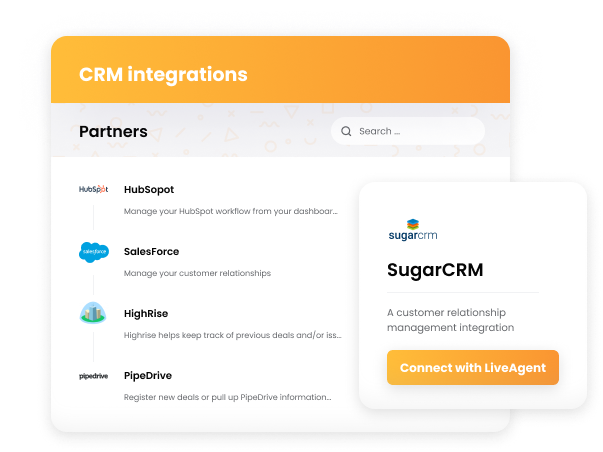
Real-time data syncing ensures that customer information is always current across all systems, allowing for effective interaction management. Platforms like HubSpot offer CRM capabilities such as workflow automation, chatbots, and dashboards, further enhancing multi-channel support for efficient customer engagement.
Marketing automation capabilities
Marketing automation tools are essential for executing marketing strategies efficiently, especially for small businesses. They enable engaging campaigns, such as contests and giveaways, increasing customer participation.
Marketing automation platforms integrate various marketing channels, allowing for customized messaging based on customer behavior and preferences. Robust systems like Iterable provide functionalities including audience segmentation and real-time campaign management, supporting personalized customer journeys to enhance satisfaction across multiple channels.
Real-time analytics and reporting
Customer engagement software offers powerful real-time analytics for insights into customer interactions and behavior. This capability allows companies to track performance metrics like click-through rates, helping assess engagement strategies’ effectiveness. Real-time reporting enables businesses to measure the impact of their efforts and identify new areas for improvement.

By consolidating data from different systems, these analytics offer a comprehensive view of customer interactions, enhancing the understanding of customer journeys and enabling timely, personalized messaging.
Benefits of using a customer engagement platform
By integrating multiple digital touchpoints, companies can provide personalization at scale, enhancing user retention and increasing [customer lifetime value](/academy/customer-service-metrics/ “Discover the top 16 customer service metrics for 2025! Boost satisfaction, retention, and loyalty with actionable insights. Start improving today!”") (CLV). This centralized approach not only boosts revenue opportunities but also reduces customer acquisition costs by minimizing the need to attract new clients.
Furthermore, the automation features streamline business operations, enabling marketing and sales teams to focus more strategically on customer engagement.
Enhanced customer experience
An enhanced customer experience is achieved through seamless omnichannel engagement across platforms like email, social media, and live chat. Automating interactions, such as through chatbots, reduces call handle times and improves service efficiency.
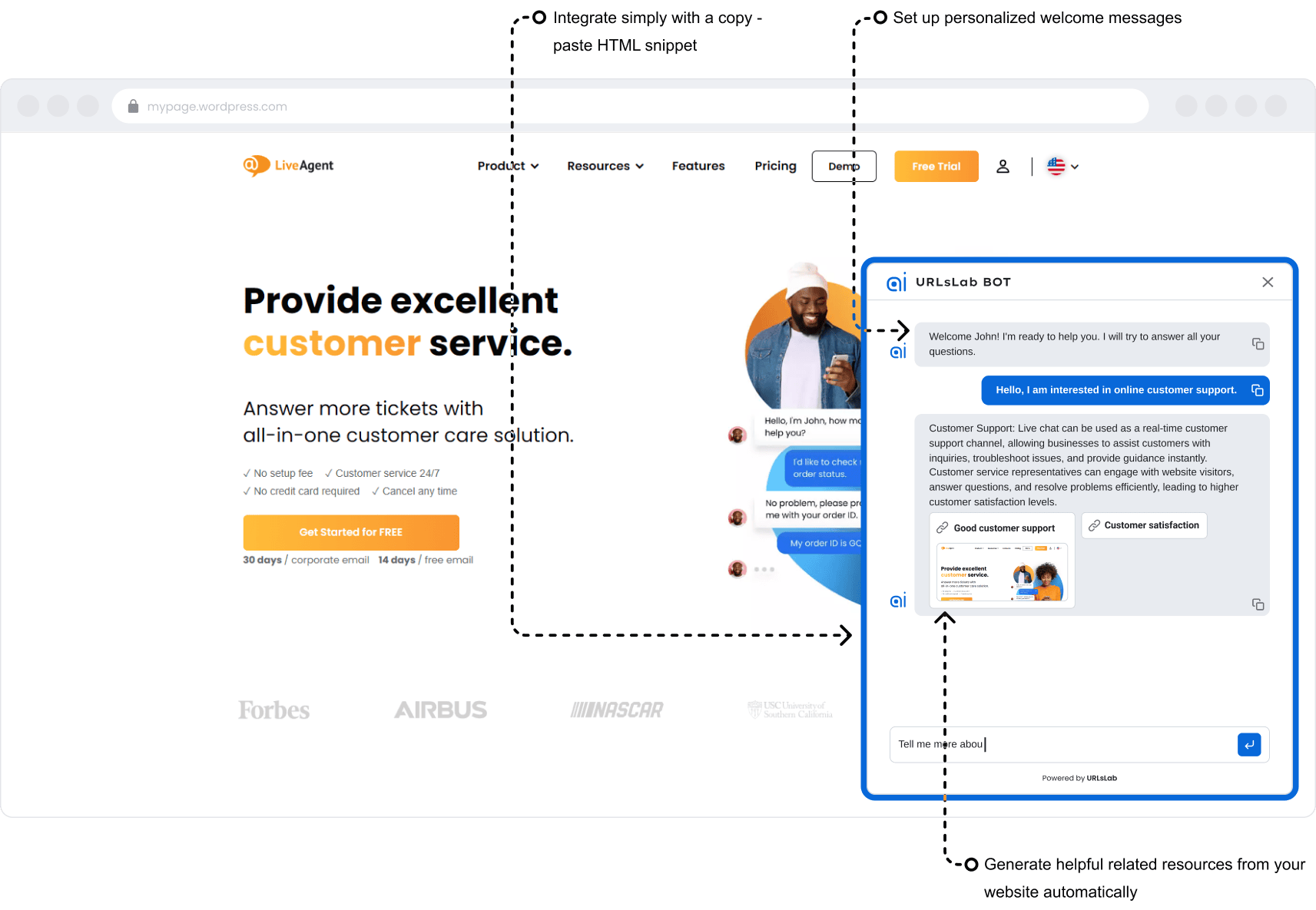
AI-driven tools deliver tailored communications, fostering deeper connections that boost customer retention. These efforts lead to significant increases in sales and customer satisfaction metrics. Utilizing advanced analytics helps businesses understand customer behaviors and preferences, ensuring more effective engagement strategies.
Improved personalization
Customer engagement platforms leverage customer data to create personalized experiences. With analytics and AI tools, companies can deliver contextualized interactions in real-time, enhancing user satisfaction.
[Personalization](/customer-support-glossary/personalize/ “Discover the meaning of personalization in customer service! Enhance satisfaction, loyalty, and efficiency with LiveAgent’s tailored tools.’) includes self-service options, enabling quick and effective responses to queries. Flexible and customized engagement solutions contribute to fostering customer loyalty . Advanced personalization features, like those from Sprinklr AI+, ensure interactions are tailored based on comprehensive insights.
Efficient case management
Efficient case management is improved with tools like message tagging and automated replies, streamlining support processes. Case assignment features help prioritize urgent inquiries, reducing redundancy in customer care .
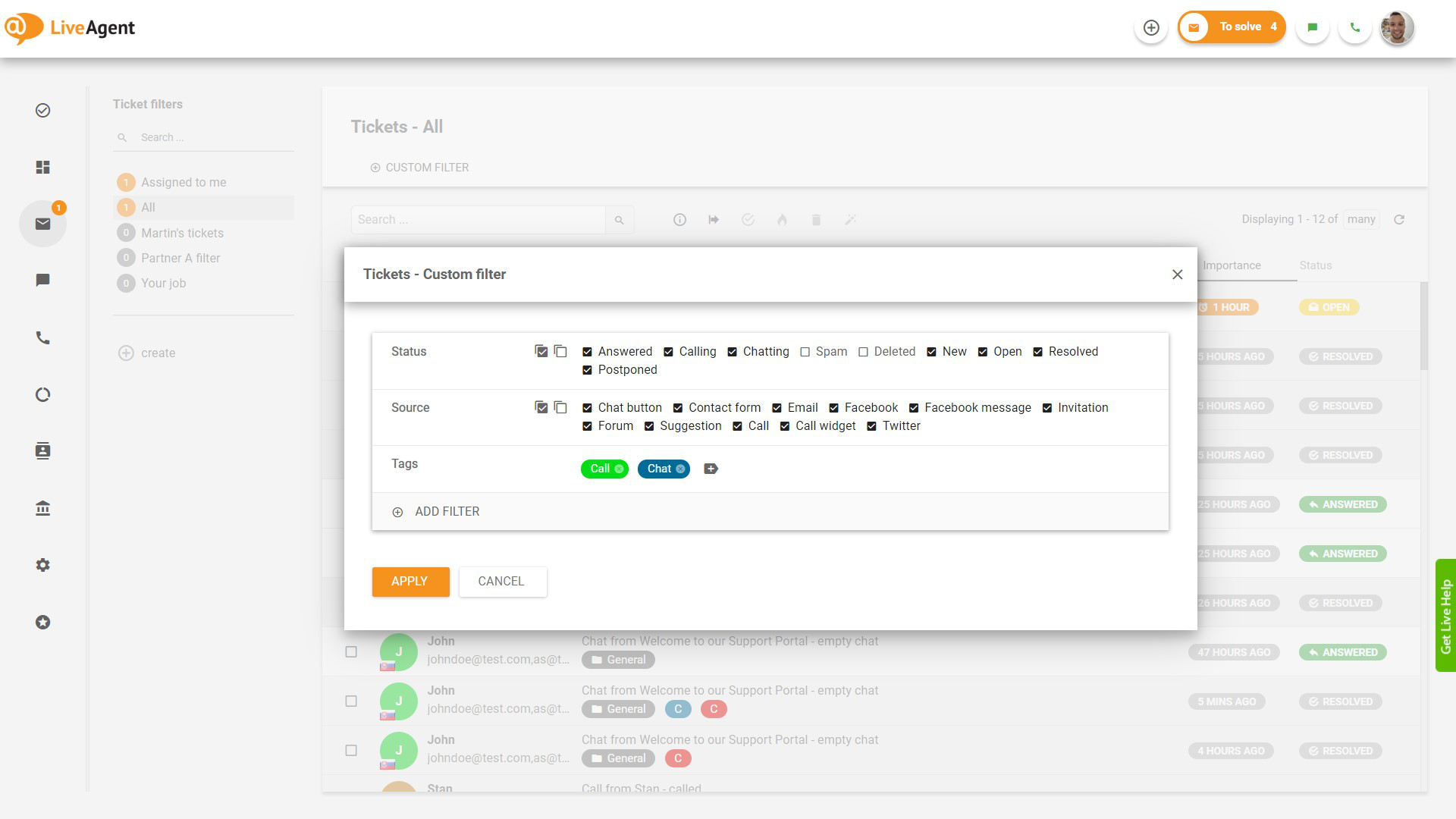
Sentiment analysis tools offer contextual actions based on customer emotions, enhancing response effectiveness. Centralized tracking of interactions optimizes case resolutions, ensuring seamless communication across various platforms and improving management outcomes.
Actionable insights through AI
AI-powered insights provide businesses with a detailed understanding of customer behavior, aiding in effective optimization strategies. Predictive algorithms personalize interactions, enhancing user experience by anticipating customer needs. AI-enabled real-time transcriptions offer insights into conversations, identifying customer intents for better service recommendations.
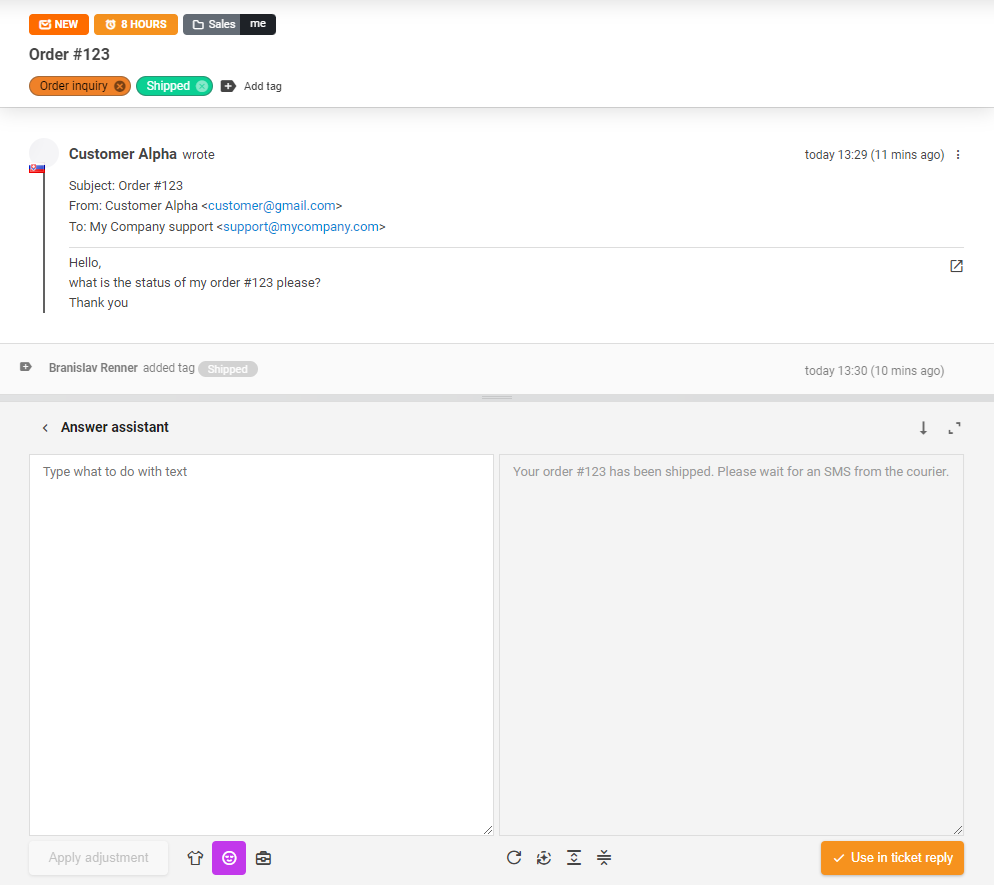
These insights inform business decisions, improving team performance by extracting actionable intelligence from customer interactions. AI integration into engagement processes creates tailored experiences across diverse channels.
How customer engagement platforms improve interactions
Customer engagement platforms centralize customer data to enable businesses to efficiently analyze and organize customer interactions.
Seamless communication across channels such as email, social media, and live chat minimizes fragmented customer interactions and improves overall efficiency. By integrating customer support with engagement tools, businesses respond swiftly to inquiries and anticipate customer needs more effectively.
This streamlined approach reduces the necessity of multiple tools, enhancing the ability to manage customer relationships successfully.
Omnichannel communication
An omnichannel customer engagement platform is key to delivering personalized messages tailored to customer preferences across various channels. This type of engagement allows customers to connect through their preferred service channels, whether it’s self-service, voice, or video.
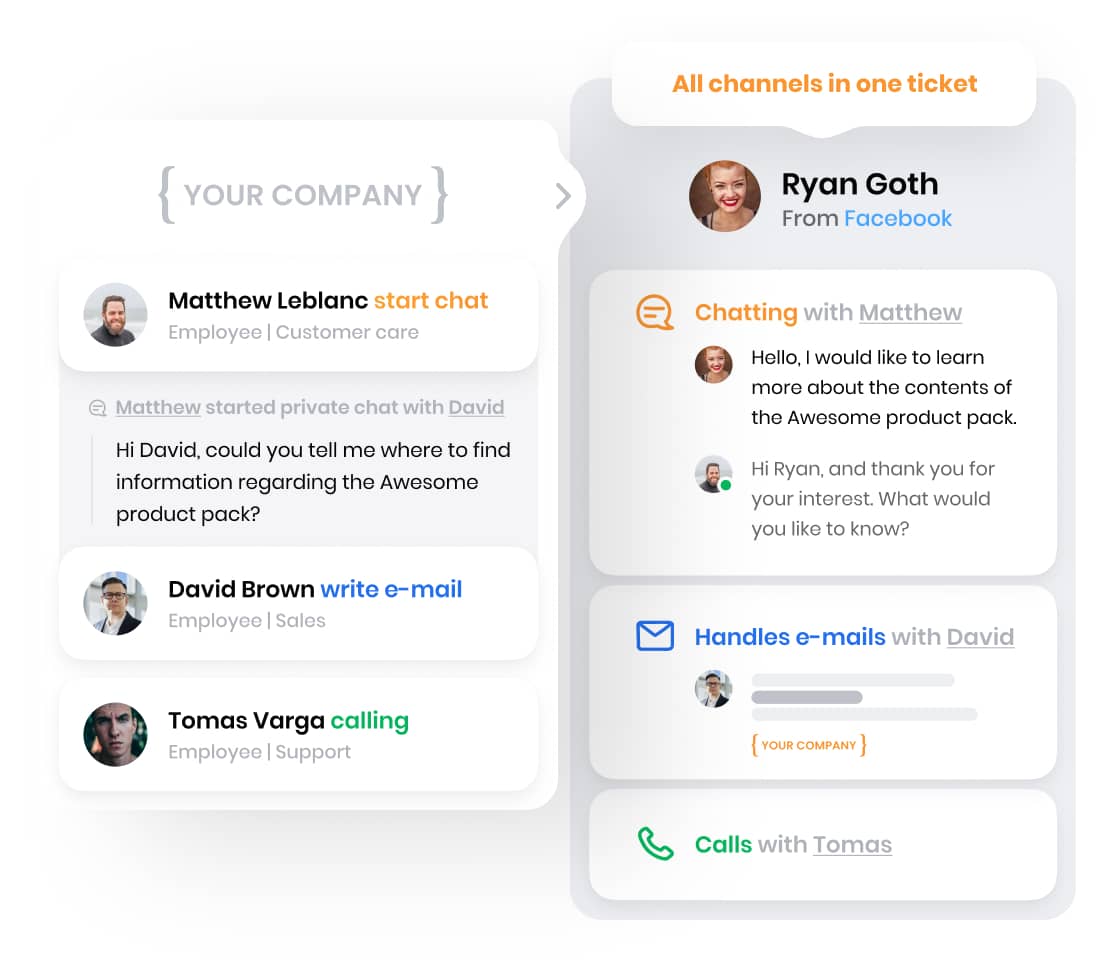
With seamless support, customers smoothly transition between communication mediums, such as shifting from chat to phone, without repeating issues. Omnichannel systems utilize API integrations to offer cohesive communication, support, and marketing experiences, driving customer satisfaction and loyalty by addressing individual needs in real-time.
Seamless support across channels
Platforms like LiveAgent and Amdocs & Microsoft enhance customer experiences with omnichannel support , ensuring connections are possible wherever customers are. Specifically, Amdocs & Microsoft cater to CSPs, offering a unified digital-first platform that integrates AI for enriched user experiences across consumer and enterprise channels.
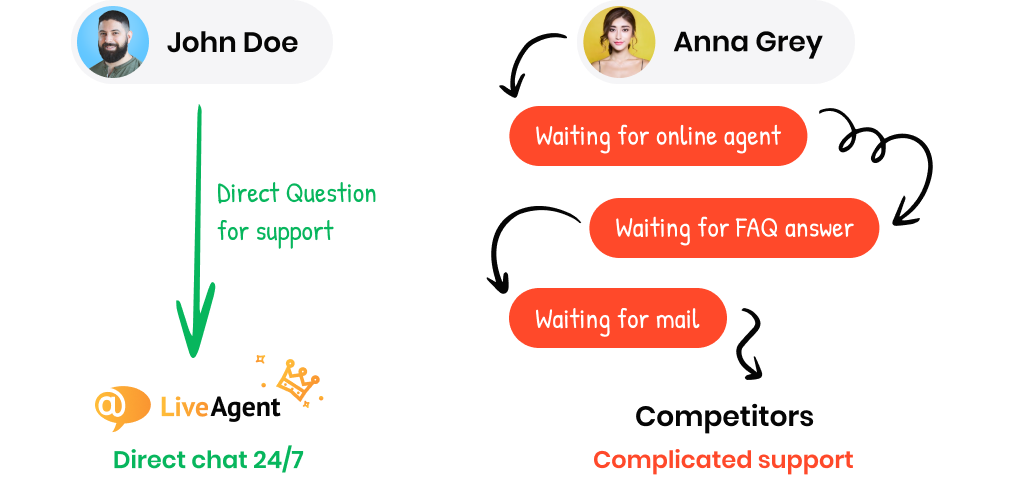
This integration delivers harmonized user experiences across multiple channels, contributing to a frictionless customer journey. LiveAgent complements this with advanced personalization based on deep customer insights, ensuring consistent, high-quality interactions throughout the customer journey across all preferred communication channels.
Top customer engagement platforms for 2025
A customer engagement platform is essential for centralizing client interactions, incorporating features like CRM capabilities, social media integration , and individualized marketing.
For 2025, standout platforms include LiveAgent, Astute Solutions, Avaya, and more. These tools empower businesses to handle complex relationships, boost customer satisfaction, and enhance sales and retention.
By facilitating communication across channels such as phone, email, and social media, these platforms are indispensable for analyzing customer behavior and refining marketing strategies.
LiveAgent: Best omnichannel customer engagement platform
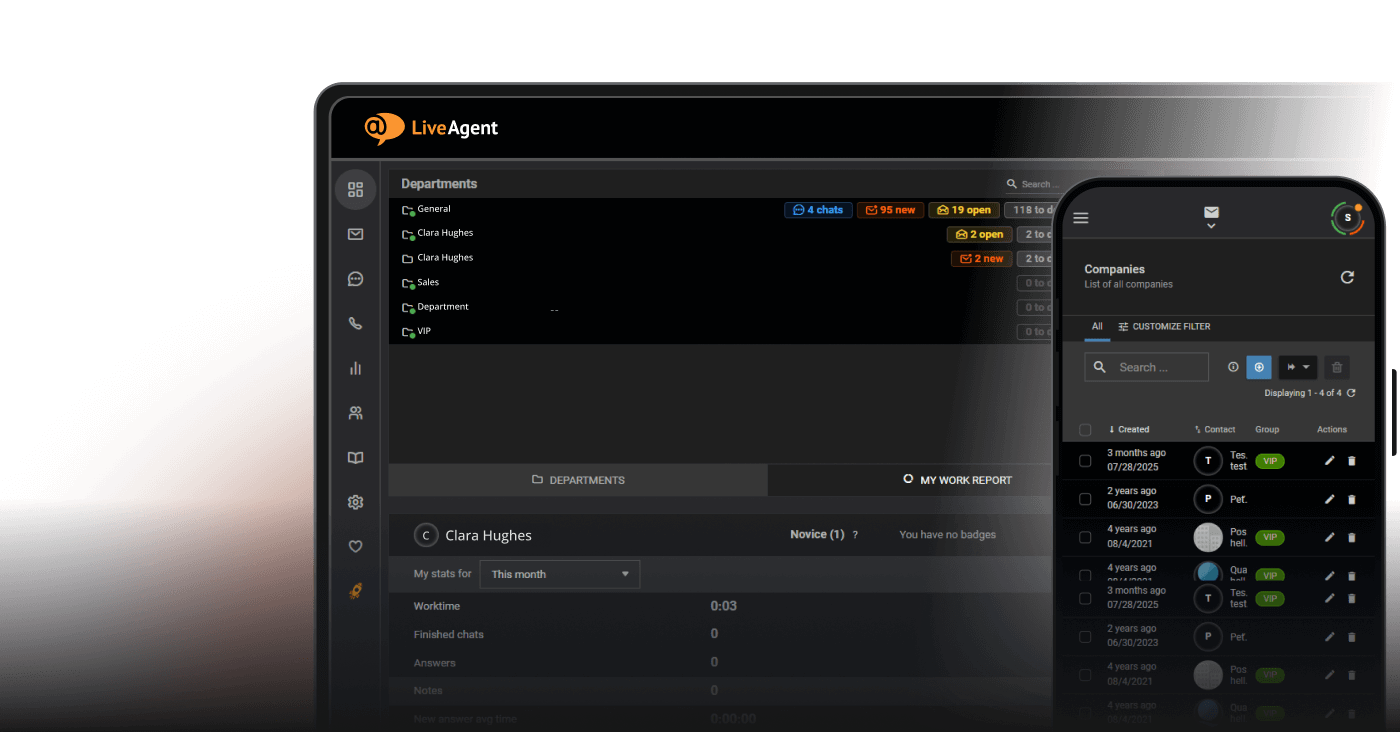
LiveAgent excels in centralized engagement, allowing businesses to interact seamlessly across multiple messaging channels from a single platform.
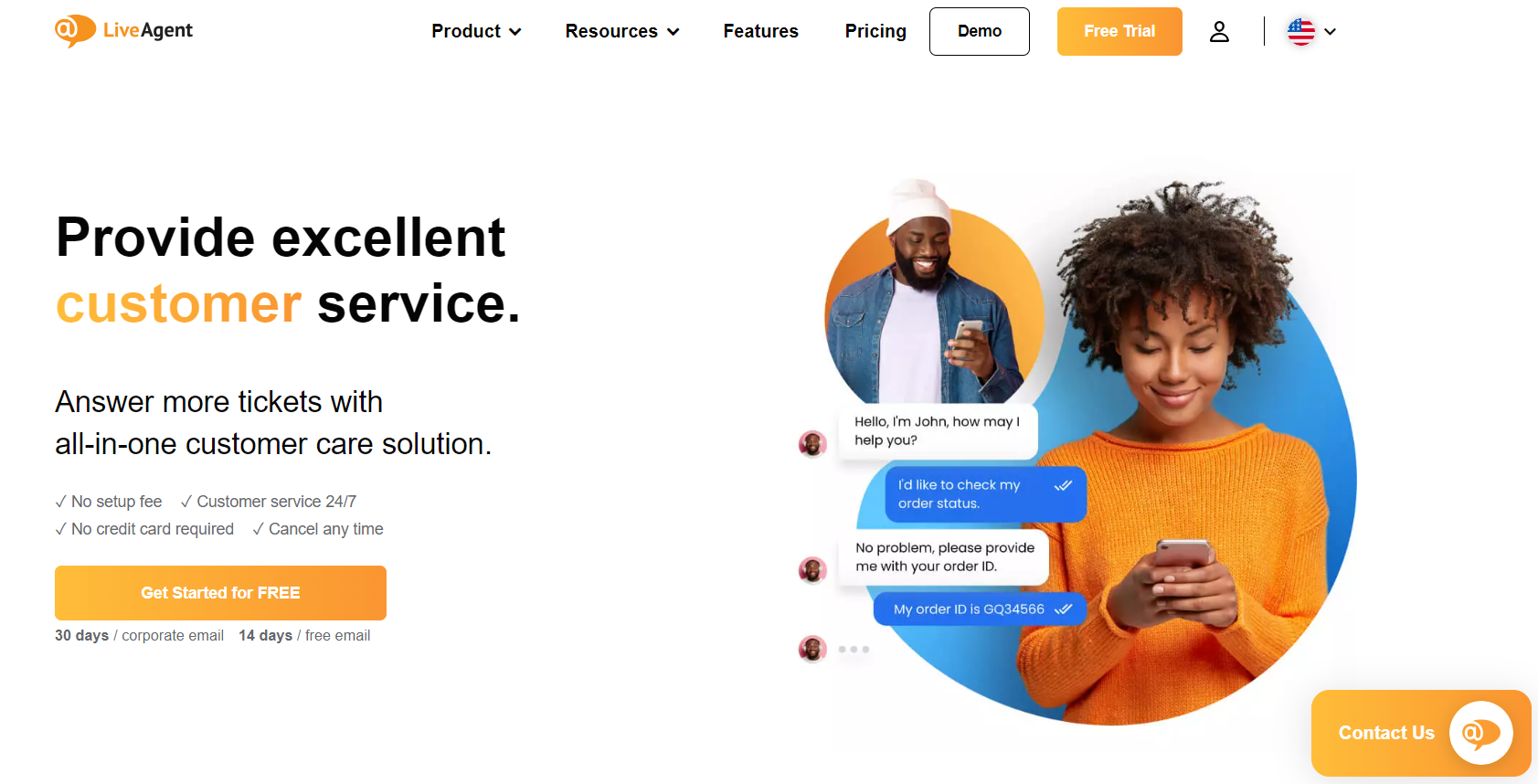
Features like automated ticketing help prioritize urgent issues and improve response times. With real-time tracking of client behavior and support tickets, LiveAgent ensures customer histories are accessible, fostering seamless engagement. It integrates data from various sources to deliver personalized messages, optimizing the customer journey effectively.
Sprinklr: In-app engagement features
Sprinklr’s platform uses AI-powered insights to enhance in-app engagement strategies by analyzing customer behavior. It identifies disengaged customer segments, facilitating targeted content optimization.
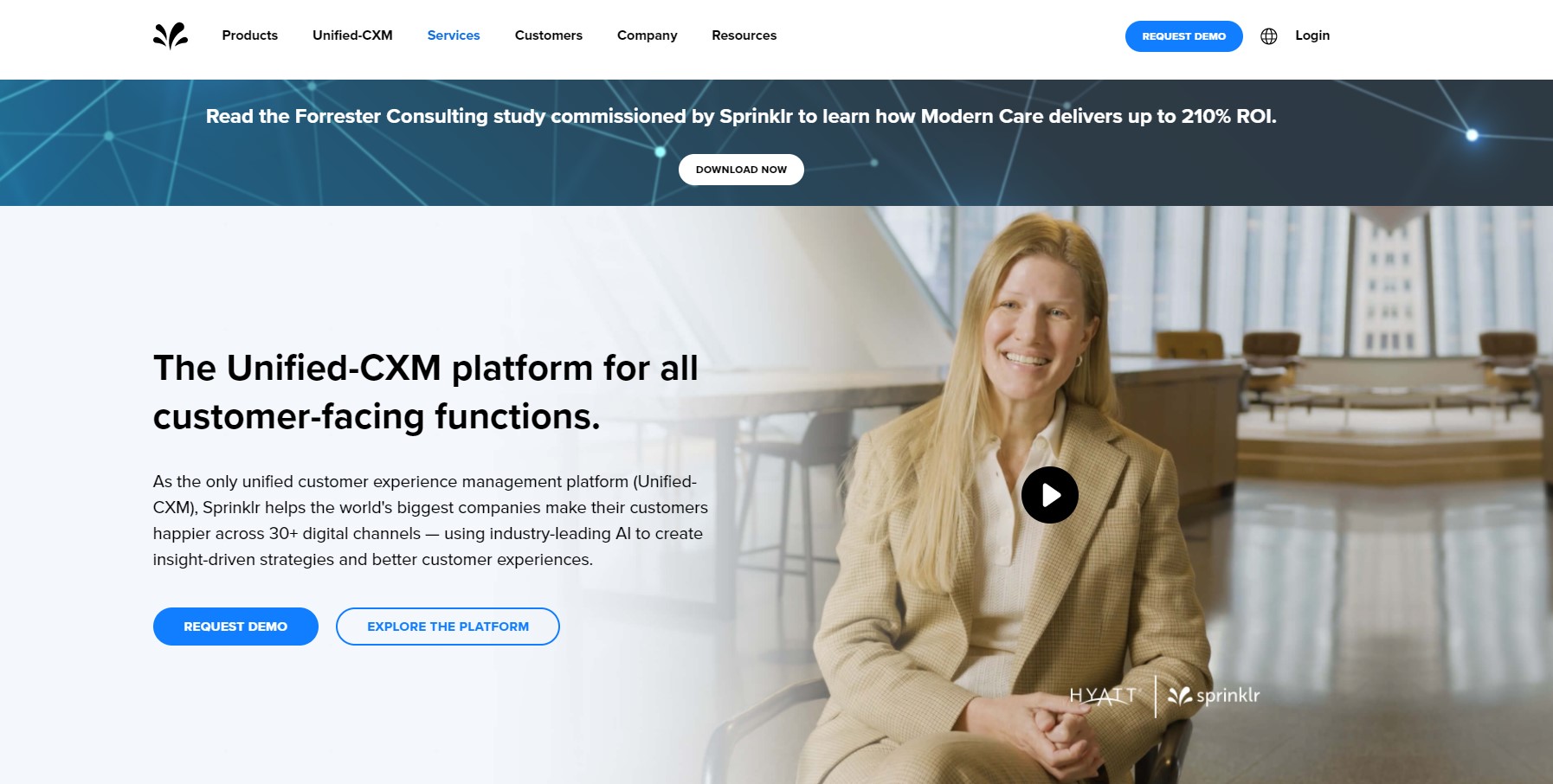
By leveraging these insights, businesses can increase conversion rates and ROI from their ad campaigns. Sprinklr’s tools engage prospects throughout their buying journey, leading to shorter decision-making cycles and potential brand evangelism through in-app interactions.
Zendesk: Customer support optimization
Zendesk Support Suite streamlines customer interactions by integrating multiple communication channels into a unified agent workspace. Its robust ticketing system helps track, prioritize, and resolve support inquiries efficiently.

Automation and AI bots streamline tasks and route tickets to optimize customer service processes. With over 1,000 apps and integrations, Zendesk allows businesses to customize workflows, enhancing customer engagement and service efficiency.
HubSpot: Marketing and sales integration
HubSpot offers a versatile engagement tool that boosts customer satisfaction by connecting teams across multiple messaging channels. It automates ticketing processes, prioritizing essential issues swiftly.

Integration with contact center platforms ensures a unified view of customer data. With its user-friendly interface, HubSpot is suitable for businesses of all sizes, offering comprehensive marketing tools like email campaigns, social media management, and lead generation to strengthen its CRM capabilities.
Factors to consider when choosing a CEP
Consider platforms that offer personalized messaging features based on customer behavior, communication channels, and journey status. This ensures tailored engagement strategies that enhance customer experience and satisfaction.
Additionally, evaluate the platform’s ability to connect with other marketing automation and social media management tools for a more effective customer engagement approach.
Scalability and data compliance, such as GDPR or CCPA, are also key, as they support business growth and build customer trust.
Scalability and customization options
A modern CEP should provide scalability and customization to adapt to changing customer preferences. This includes adjusting outreach efforts, such as balancing email and SMS communication based on user preferences, and implementing no-code chatbots that engage customers across preferred digital channels.
Advanced analytics allow for custom audience segmentation, uncovering new opportunities for personalized engagement. Prioritizing scalability minimizes the need for disruptive software changes as the business evolves.
User-friendliness and integration capabilities
User-friendliness and seamless integration are vital when choosing a CEP. Platforms like Twilio offer ease of integration for features like OTP verification, while UserGuiding provides an intuitive interface for creating onboarding guides without technical expertise.
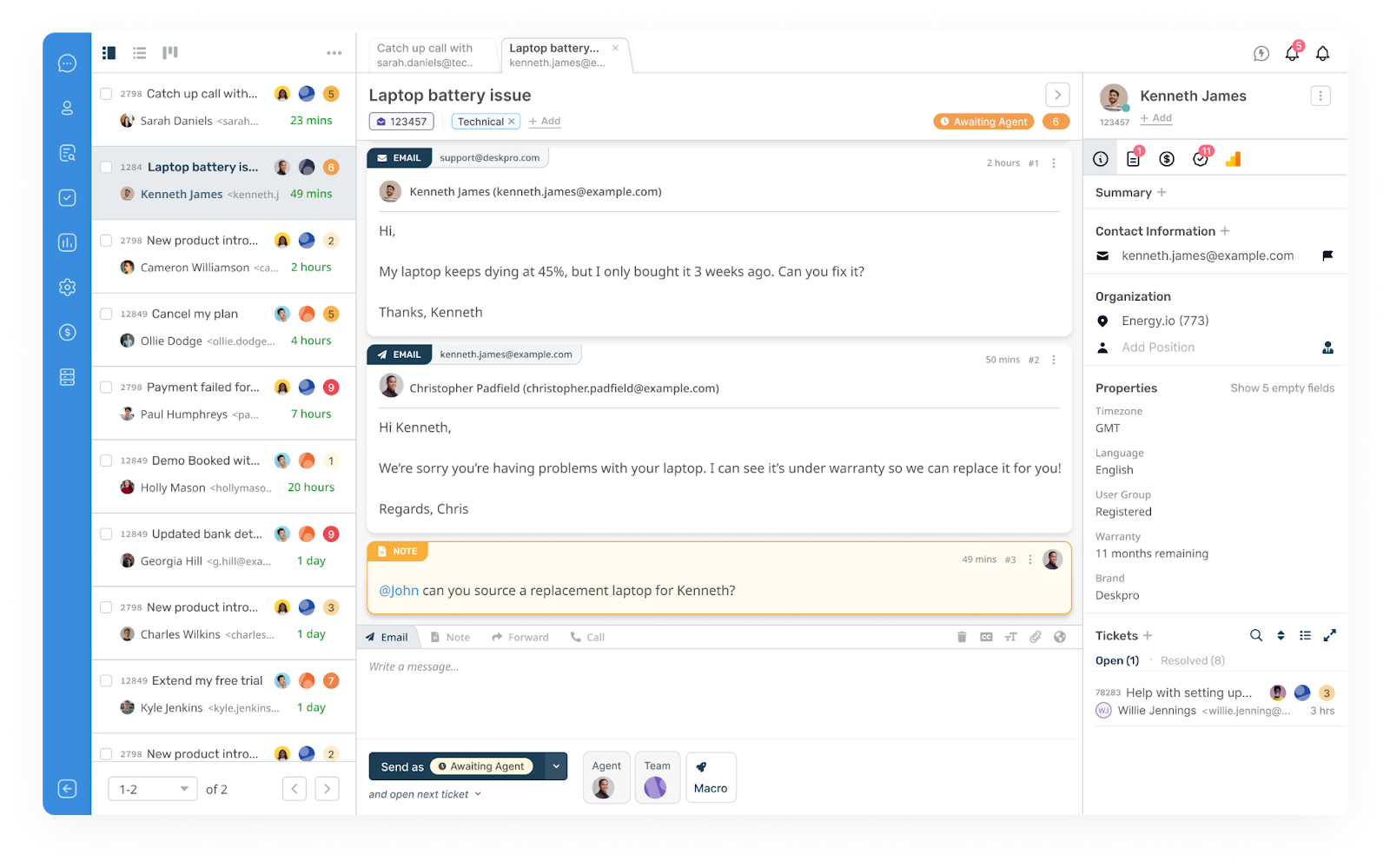
LiveAgent is known for its comprehensive capabilities and user-friendly design, suitable for managing customer interactions across different business sizes. Consider the quality of documentation, as seen with Twilio, to aid the integration process and ensure smooth operations.
Cost-effectiveness and pricing models
Assess the pricing of customer engagement tools by balancing cost against the potential return on investment. Pricing can range from $15-$50 per user per month to several hundred dollars, depending on features and services.
Braze offers customized pricing based on active users and message volume, requiring direct contact for quotes. Consider using free trials to test platform effectiveness before committing.
Be aware of potential challenges, such as increased costs when exceeding usage limits, which can affect long-term vendor relationships.
Case studies: Success stories of CEP implementations
Customer engagement platforms (CEPs) have revolutionized how businesses interact with their customers, optimizing communication and fostering loyalty. By automating personalized messaging across all channels, CEPs enhance customer experiences, leading to higher satisfaction and retention rates.
With comprehensive data collection and analysis, these platforms enable businesses to understand customer behavior and craft targeted engagement strategies that drive profitability and growth.
Example from the retail industry
In the retail industry, CEPs enable businesses to engage customers through preferred messaging channels, streamlining interactions and ensuring consistency. By integrating customer context, like purchase history and preferences, retailers can offer personalized experiences that build customer loyalty.
Additionally, these platforms empower retail staff with remote communication tools and self-service options for customers, enhancing convenience and satisfaction.
Example from the hospitality sector
In the hospitality sector, CEPs facilitate seamless communication with guests across various channels, dramatically improving their experience. Utilizing journey analytics tools, businesses identify process inefficiencies and improve satisfaction by addressing bottlenecks, such as check-in delays.
AI-driven insights ensure personalized service delivery, while integration with CRM systems offers a unified view of guest interactions, promoting loyalty and encouraging repeat visits.
Future trends in customer engagement platforms
Customer engagement platforms are evolving beyond traditional CRM systems by integrating advanced features. These include customer engagement analytics, AI-driven recommendations, and personalized content delivery.
The future of customer engagement will focus on creating seamless omnichannel experiences, managing interactions consistently across digital channels. Cross-channel tracking and attribution will become essential, allowing businesses to gather first-party data and attribute customer interactions to specific outcomes accurately.
Platforms are expected to unify customer data, offering a single view that enables targeted segments for personalized marketing campaigns. As technology advances, there is potential for convergence of tools such as contact centers , marketing automation, and sales automation into a single platform managing the entire customer journey.
The rise of AI and machine learning
AI-powered customer engagement platforms utilize predictive analytics to enhance interactions by offering personalized content recommendations. AI integration in CRM allows agents to receive recommendations for next best actions during conversations, improving efficiency and satisfaction. AI-driven solutions can optimize customer journeys across multiple channels, enhancing overall engagement strategies.
Real-time insights generated by AI from customer data help businesses understand and improve service operations through informed decision-making. The adoption of AI technologies in marketing allows businesses to anticipate customer needs, automate personalized interactions, and drive customer loyalty and retention .
Enhancements in data privacy and security
Customer engagement platforms must ensure compliance with data protection regulations to safeguard user information. Integrating data privacy measures boosts customer trust and loyalty, as companies prioritize secure personal data management in their engagement strategies.
Just-in-time messaging systems operate securely, adhering to strict global privacy regulations to ensure protected interactions.
Strong data security capabilities help companies manage data influx while maintaining compliance with evolving privacy standards. Advanced security protocols in engagement systems protect customer information, allowing businesses to focus on growth and improved communication strategies.
This focus on security contributes to better customer experiences and sustained customer satisfaction.
Conclusion: The role of customer engagement platforms in driving loyalty
Customer engagement platforms are crucial in building lasting customer loyalty by connecting businesses with customers across diverse communication channels. These platforms facilitate improved customer interactions by equipping teams with essential tools and relevant customer data, such as support history and preferences, enabling personalized experiences.
By supporting self-service options, these platforms allow customers to resolve simple issues quickly, improving satisfaction without burdening support teams. The ability to engage customers across all available channels significantly enhances a company’s share of wallet, profitability, and relationship growth by 23%, underscoring their impact on customer retention .
In summary, customer engagement platforms drive loyalty by fostering a seamless and personalized customer experience, assisting remote support teams effectively, and enabling efficient customer self-service. The insights gained from these interactions are invaluable for refining customer engagement strategies and optimizing personalized customer experiences.