




Customer service quality assurance checklist
Enhance customer service with a quality assurance checklist. Create a scorecard, evaluate performance, manage channels, and engage agents. Utilize tools and fee...
15 min read


The Customer Service Skills Checklist by LiveAgent highlights essential skills like communication, empathy, and problem-solving, offering practical tips for improvement. It’s ideal for business owners, agents, and leaders aiming to enhance customer support and loyalty..
No matter the industry you work in, providing excellent customer service is essential to your success. We will provide a checklist of the essential customer service skills that every business should strive to master. These skills will help you deliver superior support and increase customer loyalty.
With so much competition in every industry, it’s more important than ever to make sure your customers feel valued and appreciated.
A checklist is a great way to ensure that you don’t forget about any of the essential customer service skills. It can be also helpful for onboarding new customer service employees or for training purposes.
For many, connecting with people and providing excellent customer service is a natural instinct, but for others, it may take some time and practice. And here’s where a customer service skills checklist comes in handy, giving you a guide to follow so that you don’t miss any details.
Make sure that your customer service skills are up to par. After all, you are the face of your company. A customer service skills checklist can help you identify any areas where you and your team need improvement.
As a customer service agent , your job is to make sure that your customers are happy. You will need to have excellent communication skills and the ability to stay calm under pressure. You should also be able to problem-solve and think on your feet.
To help you out with all your duties and responsibilities, we have compiled numerous service desk template examples that will ensure each customer interaction is a success.
Being a team leader, it’s your responsibility to oversee that your team provides excellent customer service. You will need to set an example and provide training for your customer service team members. A customer service skills checklist can help you do just that.
The ability to communicate clearly and effectively is one of the most important customer service skills.
They help you communicate better. This is especially important in business, where clear communication is key. Speaking skills can also help you build relationships and networks, which can help advance your career.

Identifying your weaknesses should be the first step. What are you struggling with when it comes to speaking? Do you have a hard time making eye contact? Are you shy and uncomfortable talking in front of people?
Once you understand the things you need to work on, you can start practicing. A good way to improve your speaking skills is to find opportunities for public speaking. You should also get feedback from others.
Empathy is the ability to understand and share the feelings of others, so it is an essential ingredient in providing excellent customer service.
It’s crucial to be able to empathize with your customers because doing so shows that you care about their experiences. When you can empathize with someone, it helps to build trust and rapport. Empathy can help you resolve conflicts and understand the needs of your customers.

Simply try to put yourself in your customer’s shoes. What are they going through? What are their needs and wants? Once you’ve answered these questions, it will be easier to understand their point of view.
One of the most required customer service skills is the ability to stay calm under pressure.
When you’re dealing with people, there’s always a chance that something will frustrate you. Be sure that you can handle the situation calmly.
Identify your triggers. What sets you off and makes you lose your temper? Once you know what these triggers are, you can work on avoiding them or dealing with them in a more controlled manner.
Active listening is the process of paying close attention to what someone is saying and responding appropriately.
It shows that you care about your customers and their experiences. With active listening, you’re able to understand the needs of your clients and provide them with better service.

Always pay attention to what the other person is saying by making eye contact, not interrupting, and trying to understand what they are saying. Paraphrase what you’ve heard to ensure that you understand correctly and show the other person that you’re listening closely.
With clear communication skills , agents can be more productive and satisfied with their results.
Communicating with customers requires being clear so that there are no misunderstandings. Being able to communicate effectively shows that you’re confident and competent, which can impact customer loyalty .

Observe your tone of voice – is it respectful and professional? Use clear and concise language, and avoid using jargon or slang that could be confusing for the customer. Another tip is to slow down your speech so that they can understand you better.
Exceptional writing skills are required to communicate clearly and accurately with customers via typed messages .
Your communication with customers should be precise and easy to understand. This means taking the time to correctly spell words and use proper grammar.
Make sure that you proofread all of your communications with customers before sending them.

With positive language, customer service agents can create a more positive experience for the customer.
Using positive language shows that you’re friendly and helpful. It also makes customers feel more comfortable and encourage them to continue doing business with you.

Make a conscious effort to avoid negativity when speaking with customers. For example, instead of saying “I’m sorry for the inconvenience,’ you could say “Thank you for your patience.” Try to avoid negative words like “no” or “can’t'.
With problem-solving skills, getting to the root of customer issues is possible.
Problem-solving skills allow agents to identify and solve customer issues quickly and efficiently. They can help minimize the impact of an issue on the customer and improve their satisfaction.
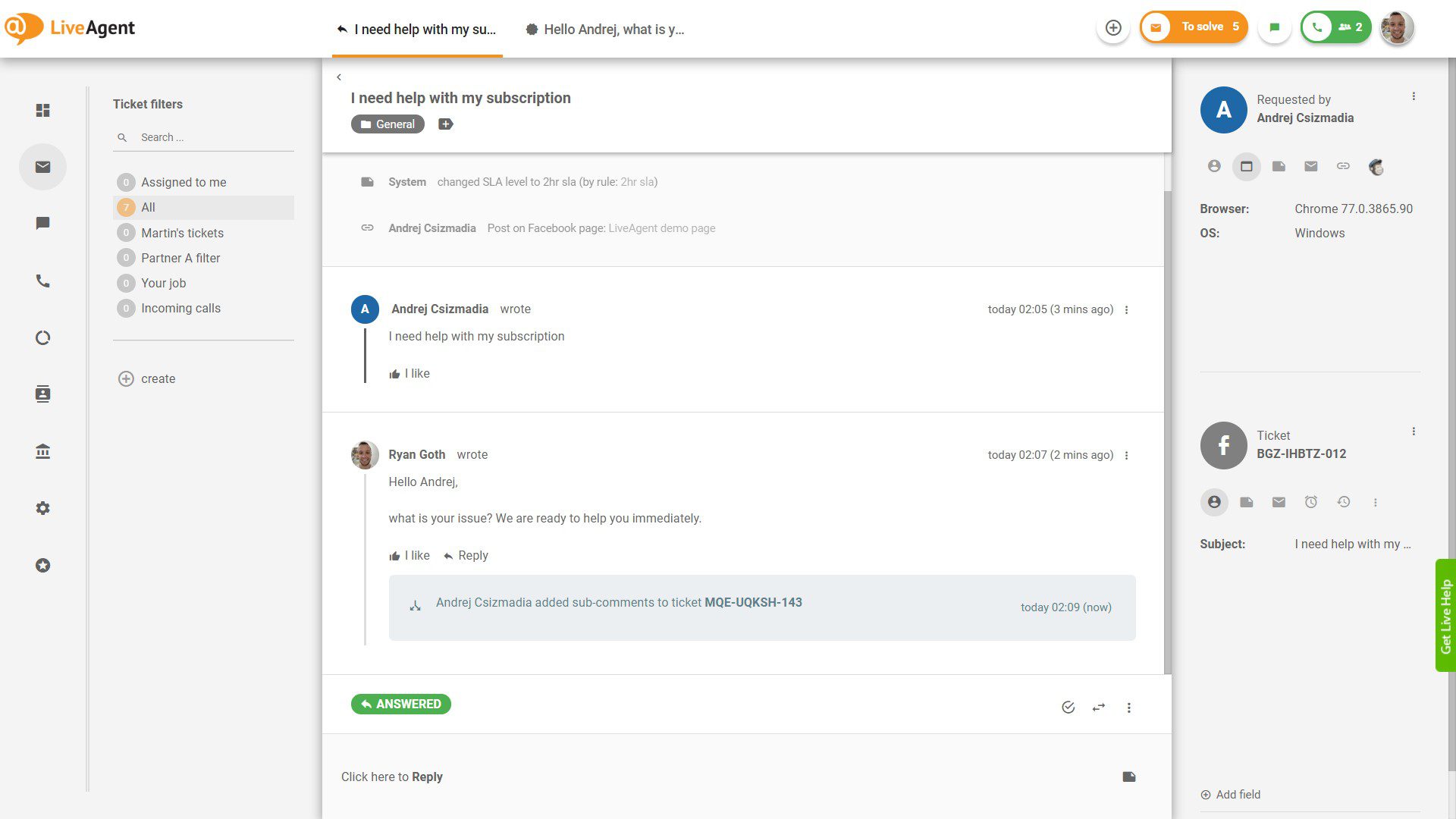
Identify the problem and then brainstorm possible solutions. Once you have a few options, evaluate each one and choose the best course of action. Be sure to follow up with the customer to make sure the issue has been resolved.
A positive attitude can make all the difference in customer service.
Having a positive attitude shows that you’re happy to help and that you care about the customer’s experience. It can also help diffuse difficult situations and make customers feel more comfortable.
Start by focusing on the positive aspects of your job. What do you enjoy about working in customer service? What are some of the things that make you happy? When you’re feeling down, try to remember these things and focus on them.
Customer service agents need to be adaptable and flexible in order to handle any situation that comes their way.
No two customers are the same, so agents need to be able to adapt their approach to each individual. They also need to be flexible in order to handle unexpected situations.
Be open to change and willing to try new things. Don’t be afraid to step outside of your comfort zone. When faced with a difficult situation, try to think of creative solutions.
Patience is a virtue, especially in customer service.
Customers can be frustrating, but it’s important to remain patient. Losing your temper will only make the situation worse and could damage your relationship with the customer.
Take a deep breath and count to ten before responding to a difficult customer. Try to see the situation from their perspective and remember that they’re probably just as frustrated as you are.
Emotional intelligence is the ability to understand and manage your own emotions, as well as the emotions of others.
Agents with high emotional intelligence are better able to understand and respond to the needs of their customers. They can also manage their own emotions, which is important when dealing with difficult situations.
Start by becoming more aware of your own emotions. Pay attention to how you feel in different situations and try to identify the triggers that cause you to feel certain emotions. Once you understand your own emotions, you can start to work on managing them.
Customer service agents need to be able to manage their time effectively, especially when dealing with multiple requests.
They allow agents to handle more than one customer interaction at a time. This prevents customers from having to wait long periods of time for a resolution.
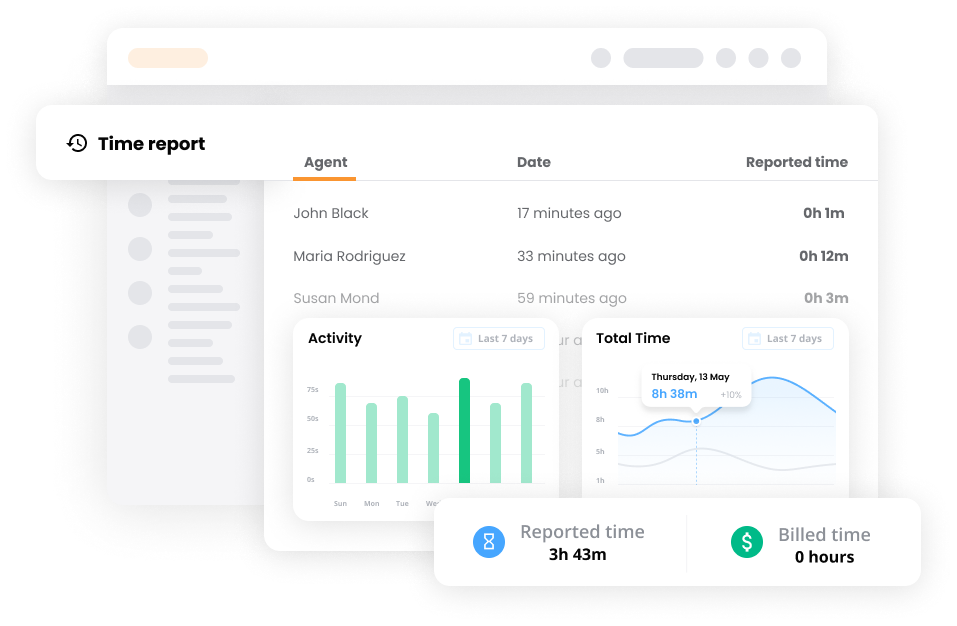
Create a schedule for yourself that outlines when you will be available to take customer calls or respond to emails. Try to stick to this schedule as closely as possible and use time-tracking tools to help you do so. If an issue arises that requires more time than you have, let the customer know and provide them with an estimated resolution time.
It’s also a good idea to invest in help desk software with an advanced ticketing system. By using tools like LiveAgent, agents can be more productive and organize their work more efficiently.
No matter how good your customer service skills are, there is always room for improvement.
Customer service agents should never stop learning and growing in their field. Since it is a constantly changing industry in which new technologies and best practices are emerging all the time, agents should always strive to improve.

Give yourself honest feedback. Take some time to identify the areas you need to work on and create a plan to improve those skills. Join online communities and forums related to customer service, participate in discussions, and learn from others. Read industry-related articles and blog posts, as well as attend training sessions or workshops whenever possible.
Customer service agents need to have a good understanding of the products and services they are supporting.
If agents do not have a good understanding of the products or services they are supporting, they will not resolve customer issues effectively.
If you are not already familiar with the products or services offered, start by reading through the documentation. Try using the products or services yourself to get a better understanding of how they work.

A key skill that a customer service agent should have is the ability to understand between the lines.
Customer service representatives who cannot read people may struggle with delivering clients the best possible experience.

The best way to improve your ability to read customers is to be proactive in your client communication. Pay attention to what the customer is saying, both verbally and non-verbally. You can also ask for clarification if needed.
Being goal-oriented can help customer service agents stay focused on providing the best customer experience .
If agents are not goal-oriented, they may become easily distracted and not be as productive. They may also lose motivation over time if they do not have any goals to work towards.
Set realistic goals for yourself and then work towards achieving them. Track your progress so that you can see how far you have come and what still needs to be done. Celebrate your achievements, no matter how small, to keep yourself motivated.
By having confidence, customer service agents can effectively handle customer interactions.
If agents are not confident, they may feel overwhelmed or stressed during customer interactions and come across as hesitant or unsure.
The best way to improve your confidence is by practicing. Find a friend or family member who can help you role-play different customer service scenarios. If not, try practicing in front of a mirror.
You should also stay up-to-date on industry news and best practices. This way, you will be more prepared when interacting with customers.
There are many tools and resources that can help you learn and grow.
Reading books and articles about customer service can help you understand the different types of customers that you may encounter and how to best accommodate their needs. They can also give you some helpful tips on how to deal with difficult customers and resolve any disputes.
By doing this, you can learn the proper way to deal with customer service complaints and inquiries. You can also learn how to be polite and courteous while addressing customer concerns. Moreover, you can learn about the product and be more confident about your knowledge.
There are lots of different methods for developing interpersonal skills, but attending workshops or seminars is one great way. They offer a more structured learning environment than just reading articles or watching videos online. Plus, you get to learn from experts who have years of experience in the field.
Attending training can help you learn how to deal with difficult customers, handle complaints, and provide excellent customer service. You’ll also learn about the latest trends and techniques in customer service, so you can stay ahead of the curve.
Working as a volunteer or intern in customer service can help you develop skills by giving you hands-on experience dealing with clients. It can also help you build your network of contacts in the industry.
When you’re writing, you’re forced to express yourself clearly. You also have to pay attention to detail – accuracy and precision are key when providing customer service.
By making customer calls , you can develop your customer service skills by gaining experience speaking to clients and addressing their concerns. Furthermore, ask customers for feedback on your performance so that you can continue to improve.
By getting customer feedback , you identify areas for improvement and learn how to better meet your clients’ needs.
When asking for feedback, be sure to ask specific questions about the customer’s experience and avoid making assumptions. Be patient and give customers time to provide a detailed response. Thank them for their input and act upon the feedback they provide.
There are many different courses and programs available that can help you develop customer service skills. These courses and programs can be found at colleges, universities, and training institutes.
The topics covered in customer service courses and programs vary, but they typically include communication skills, problem-solving techniques, conflict resolution strategies, product knowledge, and dealing with difficult customers.
Enhance customer service with a quality assurance checklist. Create a scorecard, evaluate performance, manage channels, and engage agents. Utilize tools and fee...

Boost your customer service with our handy customer service checklist – tick off everything to put you on the road to success.

Enhance customer service with a comprehensive evaluation checklist focusing on setting expectations, monitoring communications, analyzing feedback, and employin...
Join our community of happy clients and provide excellent customer support with LiveAgent.