



The ultimate call center checklist
Streamline your call center setup with our ultimate checklist! Learn goals, tools, onboarding, and tips for success. Start now!
16 min read
Call Center
Setup
+2

The call center setup checklist provides steps for starting a call center, including setting goals, estimating call volume, choosing software and staff, optimizing features, and creating a recovery plan. LiveAgent is recommended as a reliable software option.
A call center is a form of customer service that has been around for decades. It’s an integral part of any business, but setting up and implementing one can be tricky.
This guide will help you set up your call center in the most efficient way possible. We’ll provide tips from finding your team members, all the way down to what software you should use to run it.
A call center can be a huge boon to any business, but conversely, it can be a disaster if not set up correctly. That’s why having a call center setup checklist is so important. It will help you ensure that everything is in order before agents start answering calls.
Go through all the stages of setting up a call center to make sure that every step is done correctly. The aim of this guide is simple: to help you set up your own call center and run it successfully.
Are you in one of these groups? If so, keep reading.
Before you launch your call center, define your business goals clearly. This will help guide your decisions along the way.
When you’re setting up a call center, it’s easy to get sidetracked. You may want to add too many features or change the goal of your call center halfway through implementation. Setting goals in advance helps you prepare a business plan and meet all the requirements.

Setting up your own call center based on your own needs is vital as every business is different and has its own methods.
One of the most critical steps in setting up an inbound or outbound call center is estimating the number of calls that will be made and received. This will help you figure out how many agents you need, as well as what type of software and equipment you’ll require.
It’s essential to know how many calls your call center will make and receive daily, weekly, and monthly. So that you can adequately staff your call center and set up the necessary equipment.

These three methods complement each other, and using all of them is crucial for getting a complete picture of the calls that will be made in the future.
The call center design you decide to go for should best suit your and your customers’ needs. There are two types of call center setups: on-site and virtual. The former have agents, hardware, and software all stored and operated within your business, whereas the latter is hosted by a phone company on an offsite server.
The setup type is vital to the success of your call center. Each one has its own advantages and disadvantages that you must weigh up before deciding.
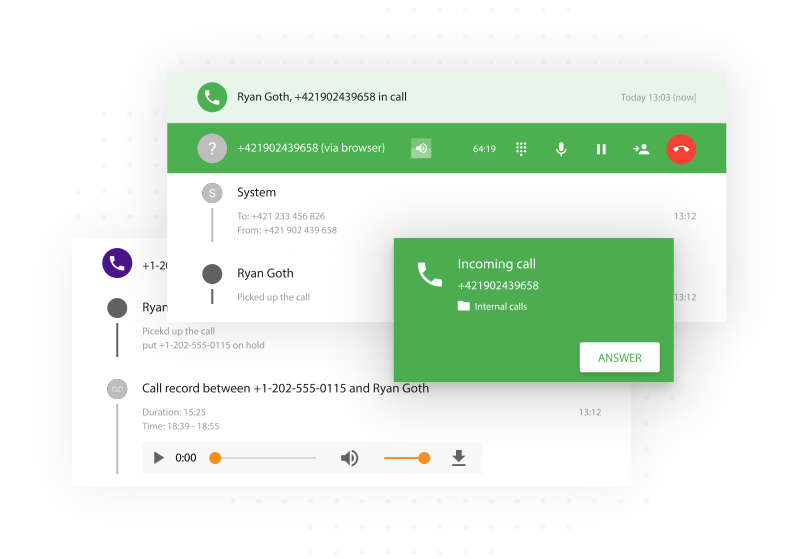
On-site call centers are generally better for businesses that have a lot of customer service needs or want more control over their agents. However, they require more space and equipment.
Virtual call centers are suitable for businesses with limited budgets or those that offer customer service 24/7. No physical location is required as they use a cloud to store all the data, which also means such organizations can be more flexible and scalable (agents can have access to the software wherever they are).
The best way to determine the setup type for your business is to ask yourself a few questions:
Answering these questions will help you determine if an on-site or virtual call center is a better fit for your business.
Phone systems can be very costly. They are expensive to purchase and maintain, so choosing an adequate business phone system is essential for any business that wants to run a successful call center.
It is crucial to evaluate the costs of the phone system because doing so will help you determine which system is best for your business. There are many different types of phone systems available, and each one has its own benefits and drawbacks.
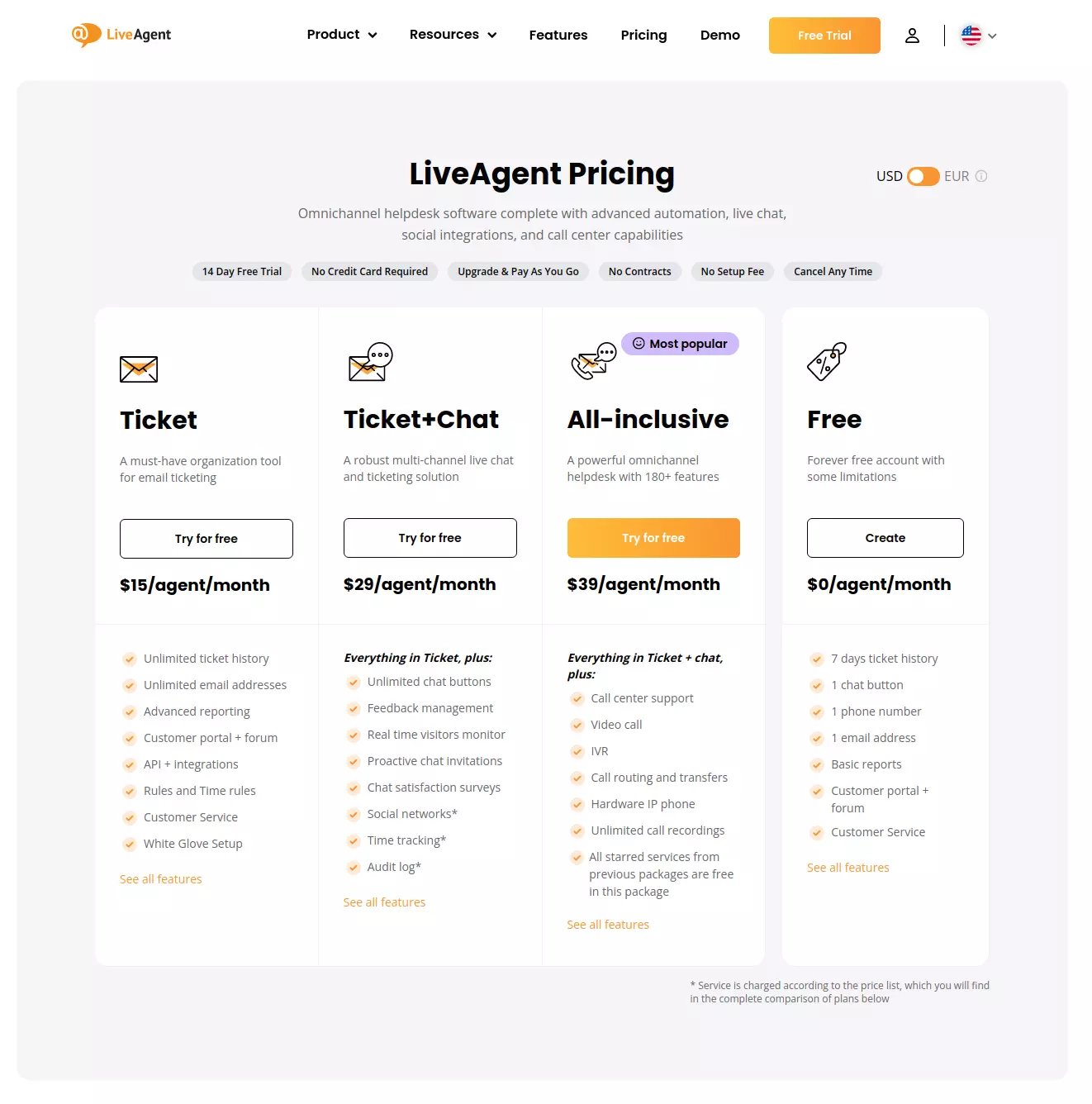
To evaluate the cost of a phone system, you should consider the following:
There is no one-size-fits-all answer to this question. Instead, you need to consider the needs of your business and the type of phone system that will best meet those needs.
Once you have decided to run an on-site or virtual call center , the next step is determining how much money and staffing will be required.
The budget and staffing requirements for your call center are essential to determining how much money and manpower you will need to get your call center up and running. This information is also essential when fundraising or hiring employees.

To estimate the budget and staffing requirements for your call center, you need to consider the following:
You can create a realistic call center budget and staffing plan by answering these questions.
Tip: When creating your budget and staffing plan, it is important to remember that these numbers will change over time. As your call center grows, you may need to add more employees or upgrade your equipment. Make sure you are prepared for these changes so your call center can continue to run smoothly.
There are many different types of call center software available on the market. It is important to choose the right software for your call center to run your business effectively.
Choosing the right call center software is crucial since the available solutions differ in cost, deployment model, maintenance, scalability, and robustness. You need to find the one that suits your business best.
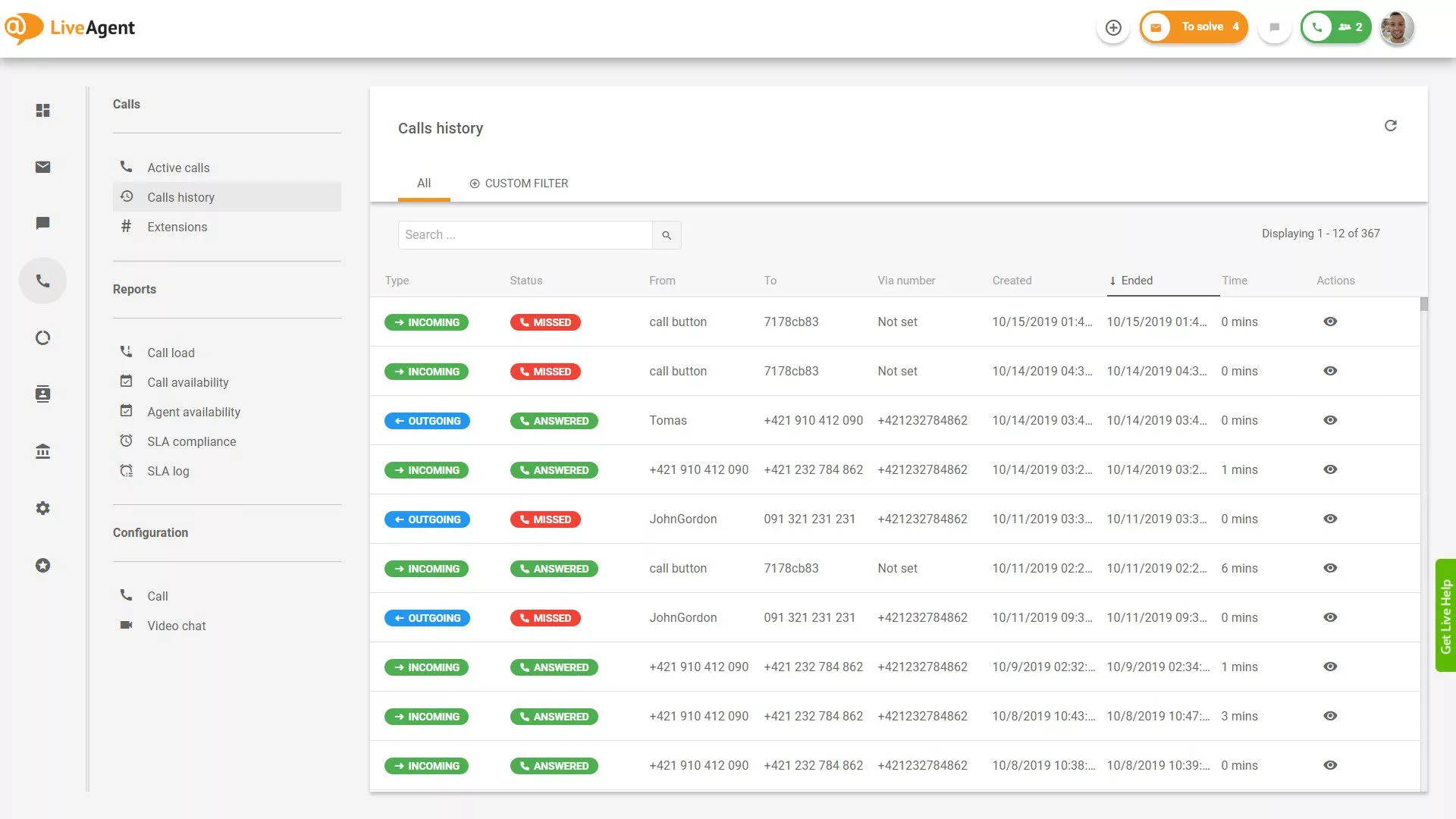
You should consider the following factors when choosing the type of call center software you need:
Once you have decided on the type of call center software, it’s time to choose a provider. There are many different providers available, so it’s important to do your research and find the one that best suits your needs.
The software provider you choose will have a significant impact on the success of your call center. Make sure to select a provider that offers the features and support you need.
When choosing a software provider, you should consider the following:
Once you have chosen your call center software, it’s time to optimize its features. This will help you get the most out of your investment.
Optimizing call center features helps you get the most out of your software and improve the efficiency of your call center.

Hiring the right staff is crucial to the success of your call center. You need to find people who are skilled, motivated, and able to handle the demands of the job.
The staff you hire will have a direct impact on the quality of customer service your call center provides. Make sure to hire people who are skilled and motivated.
Training your team is essential to ensure they can handle any situation that arises. This includes both technical training and soft skills training.
Proper training ensures that your agents can handle customer inquiries effectively and provide a consistent level of service.
Having the right equipment is essential for running an efficient call center. This includes hardware, software, and other tools.
The right equipment ensures that your agents can work efficiently and provide a high level of customer service.
Organizing your call center processes is essential for ensuring smooth operations. This includes everything from onboarding new agents to handling complaints.
Well-organized processes help ensure that your call center runs smoothly and that agents know what to do in any situation.
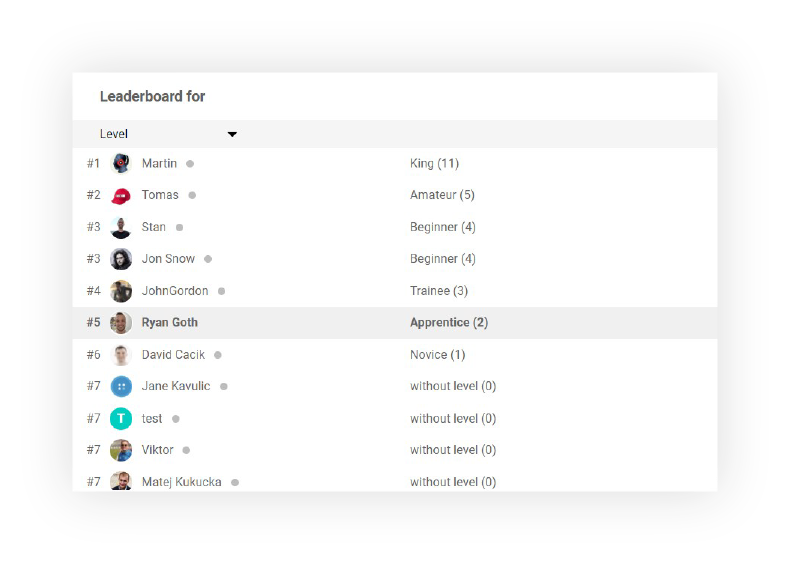
Many processes need organizing when setting up a call center, including:
Model the organizational structure of the call center after your own company’s org chart, which will help agents feel more comfortable in their new jobs. Furthermore, internal communication between departments will be a lot easier.
There are many ways to model the organizational structure of a call center, including:
Establishing the right key performance indicators (KPIs) can have a huge impact on the success of a call center.
By tracking metrics, you can see how your call center performs and identify areas that need improvement. This will help you make data-driven decisions about improving your business operations.

Some of the most important ones include:
No matter how well you plan, things can always go wrong in a call center.
Having a disaster recovery plan in place can quickly get your call center back up and running if something happens. This helps minimize the impact that a crisis can have on your call center operations .
To ensure that your call center provides a consistent customer experience, it’s essential to pay more attention to its quality assurance procedures.
It helps you track the level of customer service that your call center is providing and identify areas that need improvement.

Before you go live with your outbound/inbound call center , it’s vital to perform a series of tests to ensure that everything is working correctly.
Any existing issues must be identified and fixed before your call center can be accessed by a larger audience. By preparing in advance, you will ensure that nothing goes wrong during the launch.

Before going live, you should test the following:
Now that your call center is ready, you can launch it.
Streamline your call center setup with our ultimate checklist! Learn goals, tools, onboarding, and tips for success. Start now!

Comprehensive call center requirements checklist covering software, internet, equipment, technology, CRM, calling features, staff, compliance, security, and mor...

Learn to set up a call center with a 10-step guide covering goal setting, budget planning, software selection, staffing, and equipment. Optimize processes and c...
Cookie Consent
We use cookies to enhance your browsing experience and analyze our traffic. See our privacy policy.