What is an AI Virtual Assistant? Definition, Technologies and Applications
AI virtual assistants are intelligent tools using AI, NLP, and ML to automate tasks, personalize experiences, and enhance customer support. Learn how they transform industries.
Published on Jan 20, 2026 by Lilia Savko.Last modified on Jan 20, 2026 at 7:35 am
AI virtual assistants are no longer just a concept for the future—they are a practical tool businesses use today to stay competitive and meet changing customer needs. Adoption rates are growing steadily.
In fact, studies show that around 46% of U.S. companies already use AI-powered assistants to improve processes and boost customer satisfaction. The global virtual assistant market, valued at $4.2 billion in 2023, is expected to grow to $11.9 billion by 2030. This growth reflects a significant shift in how businesses handle automation and customer engagement.
This is the perfect time to start using AI virtual assistants for your business. These tools can enhance customer support, automate repetitive tasks, and improve overall efficiency. Learn how AI-powered solutions are transforming industries at every level in our article.
What is an AI virtual assistant?
An AI virtual assistant, also called an artificial intelligence personal assistant or digital assistant, is a software application designed to carry out tasks or offer services for individuals and businesses. These assistants use advanced technologies like machine learning (ML), natural language processing (NLP), and artificial intelligence (AI) to interact in a way that feels natural, process voice or text commands, and complete a variety of tasks effectively.
Unlike traditional chatbots, AI virtual assistants can handle more complex questions, adapt to how users behave, and learn from past interactions. They use conversational AI to simulate human-like conversations, providing personalized answers that improve user experience. Well-known examples include Amazon Alexa, Google Assistant, and IBM Watson Assistant.
Key technologies behind AI virtual assistants
Natural language processing (NLP)
NLP is a key technology that helps AI virtual assistants understand, interpret, and respond to human language. By examining the structure, meaning, and context of words, NLP allows these assistants to process voice or text commands accurately. This ensures smooth communication between users and the assistant.
Machine learning (ML)
Machine learning allows AI virtual assistants to get better over time by learning from user interactions. ML algorithms help these assistants recognize patterns, predict user needs, and adjust their responses based on what they’ve learned. This makes them especially useful for businesses that want to offer personalized customer experiences.
Artificial intelligence (AI)
AI is the foundation of virtual assistants. It combines technologies like cognitive computing, knowledge representation, and decision-making algorithms. AI enables these assistants to mimic human intelligence, perform tasks on their own, and handle activities like scheduling, analyzing data, and assisting customers.
Speech recognition and voice synthesis
AI virtual assistants with voice features use speech recognition to turn spoken language into text. They also use voice synthesis to reply verbally, making conversations feel more natural. This is particularly important for voice-based assistants like Siri and Alexa.
Core functionalities of AI virtual assistants
AI virtual assistants are changing how businesses operate by streamlining workflows, boosting efficiency, and enhancing customer interactions. Their ability to handle a wide range of tasks with accuracy and speed makes them a vital part of today’s digital transformation efforts.
AI virtual assistants are changing how people and businesses use technology by incorporating advanced artificial intelligence capabilities. These systems rely on a combination of innovative AI disciplines and frameworks to carry out a variety of tasks effectively and accurately. Their primary functionalities include:
Natural Language Understanding (NLU): AI virtual assistants can understand and process user queries written or spoken in natural language. This allows smooth communication between people and machines. Using NLU, these assistants grasp the context, intent, and subtle meanings in conversations, which helps them provide correct and relevant responses.
Task Automation: AI virtual assistants take over repetitive tasks, such as scheduling meetings, setting reminders, managing emails, and entering data. By automating these activities, they save time and decrease the chances of human error.
Information Retrieval: These systems can quickly locate specific information from massive data sources. For example, they can retrieve customer data from a CRM system or answer factual questions, making it easier to access the information you need.
Personalization: AI assistants use machine learning to learn your preferences. Over time, they offer tailored recommendations for products, services, or workflow adjustments, making their suggestions more relevant.
Multimodal Capabilities: Many AI virtual assistants now support multiple forms of interaction, like text, voice, and visuals. This combination makes interactions more engaging and accessible to users.
Integration with Third-Party Tools: These assistants connect smoothly with other software applications, such as CRM platforms, project management tools, or communication apps. This integration allows for a unified and efficient way to manage your work.
What are the types of AI digital assistants?
AI assistants come in various types, each designed to serve different needs across industries. From voice-enabled assistants that help with scheduling and task management, to chatbots that provide customer support, these tools leverage advanced technologies like Natural Language Processing (NLP) and machine learning to deliver personalized, efficient experiences. Here’s a look at some of the most common types of AI assistants and how they can benefit businesses and individuals.
AI voice assistants
AI voice assistants are digital tools that interact with users through voice commands in natural language. They work using advanced artificial intelligence technologies such as Natural Language Processing (NLP), Automatic Speech Recognition (ASR), and Text-to-Speech (TTS). These technologies allow the assistants to perform a variety of tasks efficiently.
Key features and capabilities:
Task Automation: They can handle tasks like scheduling meetings, setting reminders, and controlling smart devices. This saves time and helps users stay organized.
Personalization: These assistants analyse user behaviour to offer personalized suggestions, like recommending products or greeting users in a tailored way.
Multimodal Interactions: Some advanced models combine text, voice, and visual elements to create a more interactive experience.
Real-Time Responses: AI voice assistants respond quickly, providing accurate information and answers without delay.
Examples of popular AI voice assistants:
Amazon Alexa: Works well with smart home devices, allowing users to control things like lighting and home security through voice commands.
Google Assistant: Known for its strong search capabilities. It helps users find information, manage tasks, and stay organized while on the go.
Apple Siri: Built into Apple devices, Siri assists with dictation, navigation, and answering questions.
Microsoft Cortana: Mainly used in workplace settings to improve productivity by managing tasks and providing reminders.
AI chatbots
AI chatbots are AI-powered personal assistants that interact with users through text-based communication. By leveraging AI technology, including natural language processing (NLP) and machine learning, these chatbots understand user inputs and provide relevant responses. They integrate seamlessly with cloud services, ensuring scalability and security.
Through strategic initiatives, businesses can partner with a reliable solution provider to implement AI assistants that enhance customer interactions while maintaining robust data protection and security protocols. These AI-powered personal assistants offer efficient, personalized service, improving the overall customer experience.
Key features and capabilities:
Customer Support: Many businesses use AI chatbots to provide 24/7 customer assistance, answering common inquiries and troubleshooting problems.
Lead Generation: Chatbots can collect user information, qualify leads, and guide potential customers through sales funnels.
Integration with Messaging Apps: Many chatbots operate within popular platforms like WhatsApp, Facebook Messenger, and Slack, making them easily accessible.
Multilingual Support: Advanced chatbots can understand and respond in multiple languages, enhancing global customer engagement.
Examples of AI chatbots:
ChatGPT: A versatile chatbot that can generate text, answer questions, and assist with various creative and professional tasks.
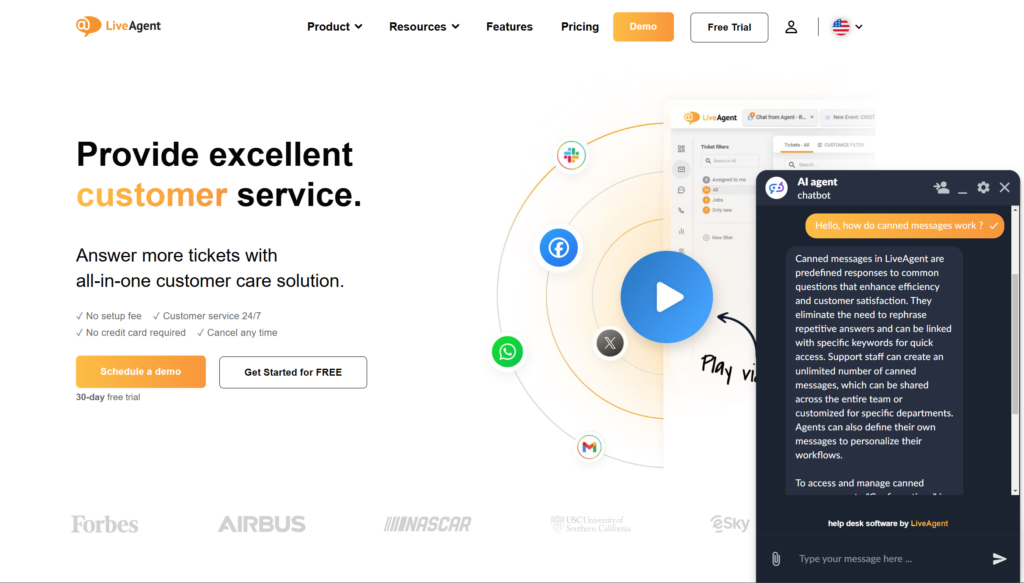
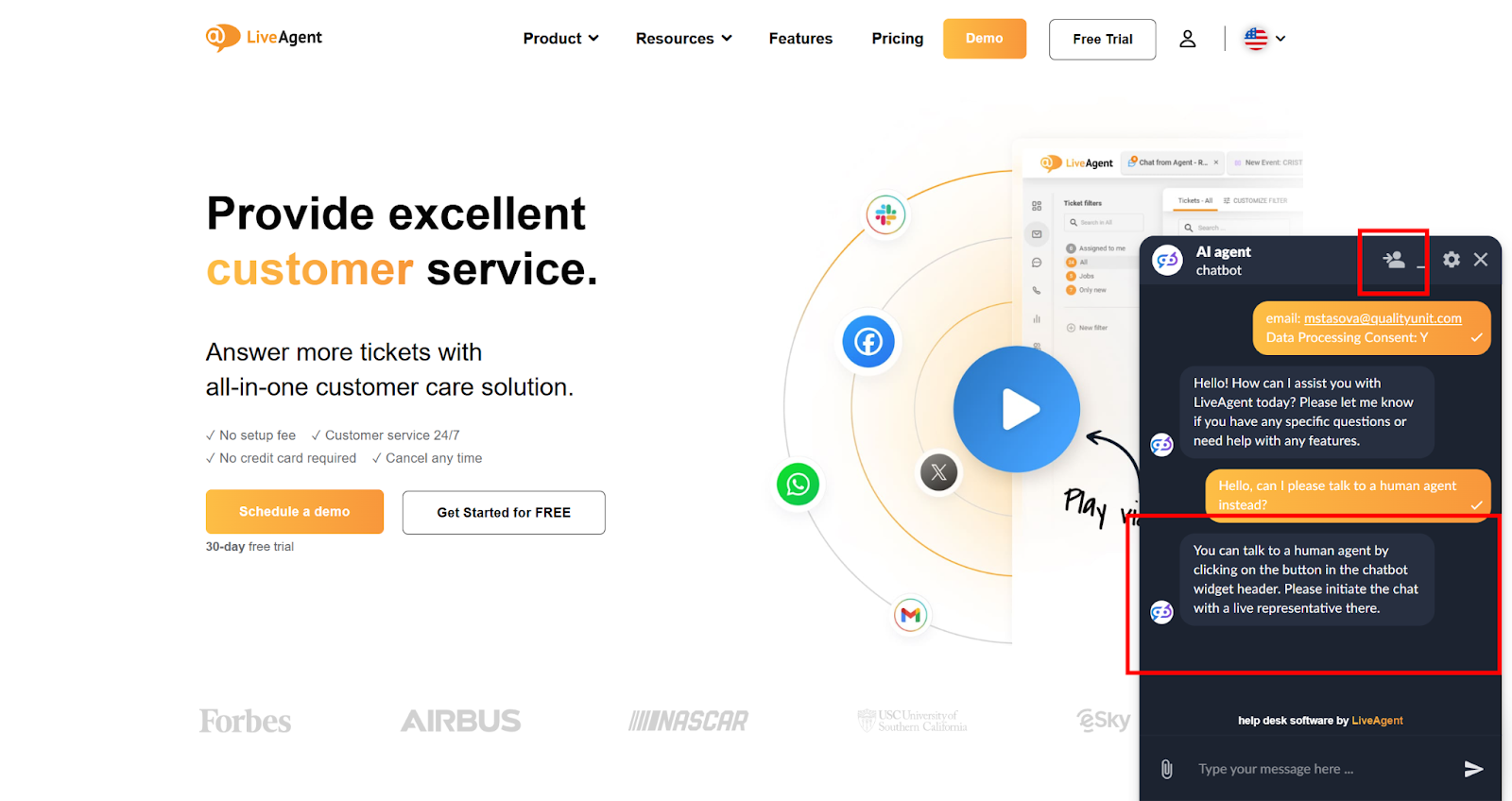
LiveAgent AI Chatbot: A customer service chatbot that helps businesses manage support requests efficiently and collects leads.
Facebook Messenger Bots: Used by businesses to automate customer interactions and provide instant responses.
AI digital assistants
AI virtual assistants are more advanced than chatbots and voice assistants, as they can manage complex workflows and provide contextual support across different tasks and applications.
Key features and capabilities:
Task Management: AI virtual assistants can schedule meetings, manage emails, and organize workflows.
Context Awareness: They analyze user preferences, past interactions, and work habits to provide tailored recommendations.
Multi-Platform Support: They function across multiple devices, ensuring seamless assistance regardless of the user’s location.
Enterprise Integration: Many virtual assistants integrate with workplace software such as Microsoft Office, Google Workspace, and CRM platforms.
Examples of AI virtual assistants:
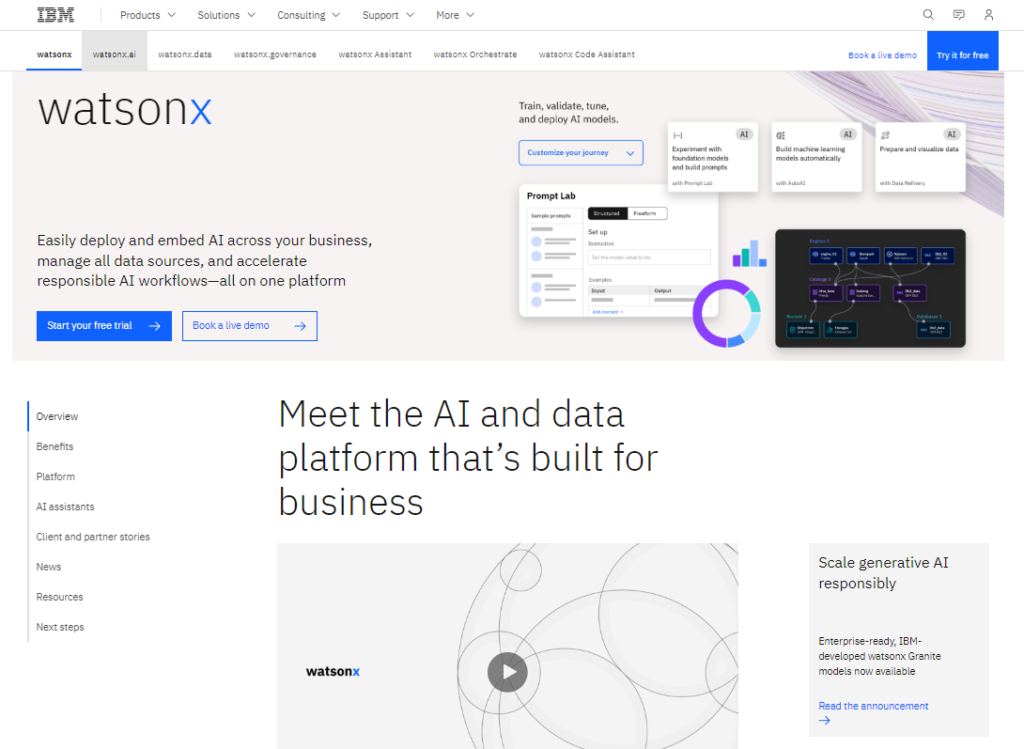
IBM Watson Assistant: Used by businesses to enhance customer service and automate tasks.
Google Bard: Provides research assistance and helps users generate content and summaries.
Samsung Bixby: Integrated with Samsung devices to provide personalized assistance.
AI personal finance assistants
AI personal finance assistants help users manage their finances by providing insights, tracking expenses, and suggesting financial strategies.
Key features and capabilities:
Budget Management: These assistants track spending habits and provide suggestions to optimize budgets.
Automated Bill Payments: They remind users of upcoming bills and can automate payments.
Investment Advice: Some AI assistants analyze market trends and offer investment insights.
Fraud Detection: AI-driven financial assistants monitor transactions and alert users to suspicious activities.
Examples of AI personal finance assistants:
Mint: Tracks expenses, manages budgets, and provides financial insights.
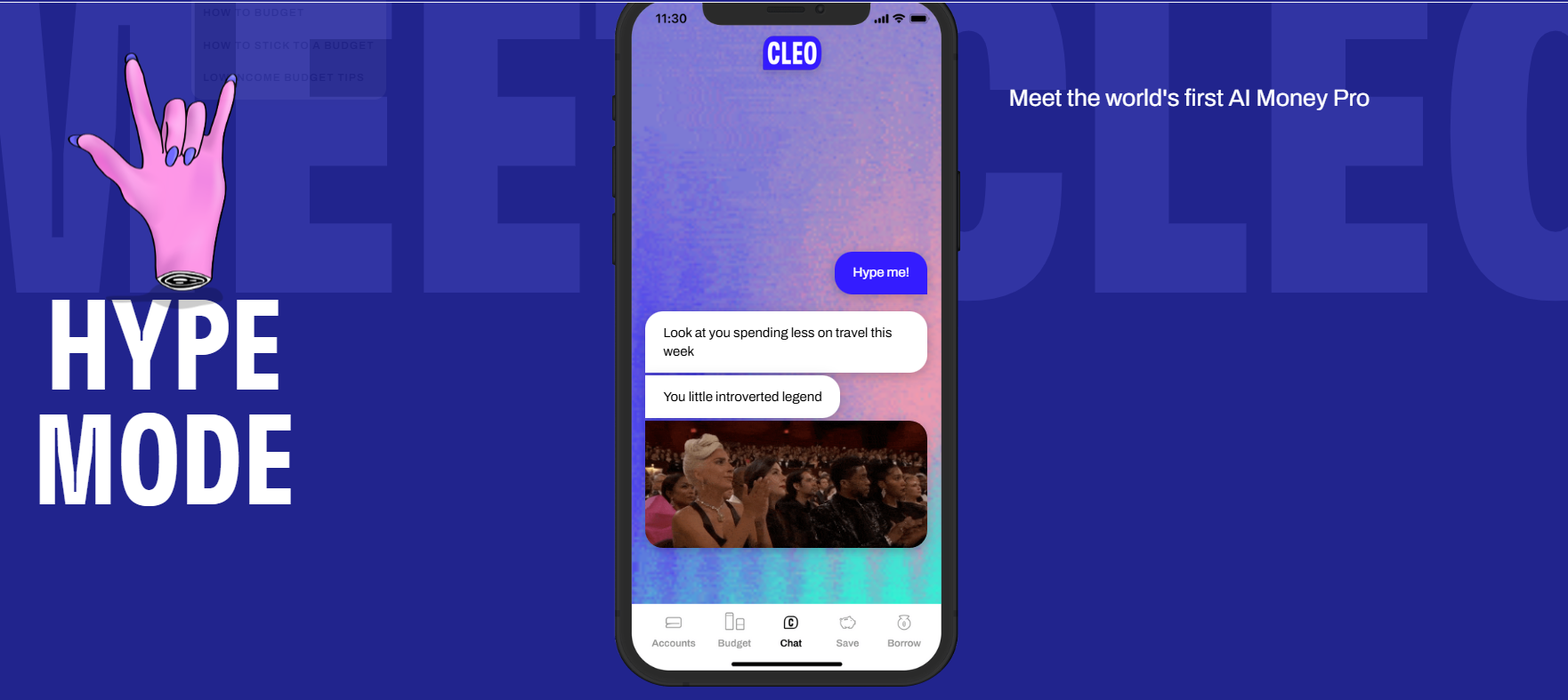
Cleo: Uses AI to provide money-saving tips and budgeting suggestions.
Yolt: Helps users manage their spending across multiple bank accounts.
AI healthcare assistants
AI healthcare assistants support medical professionals and patients by offering health-related advice, appointment scheduling, and symptom analysis.
Key features and capabilities:
Symptom Checking: AI-driven assistants analyze symptoms and provide potential diagnoses.
Appointment Scheduling: They help users book medical consultations with healthcare providers.
Medication Reminders: These assistants notify patients to take prescribed medications on time.
Health Monitoring: AI assistants track vital signs and provide health insights based on wearable data.
Examples of AI healthcare assistants:
Ada Health: Provides symptom analysis and suggests possible medical conditions.
Buoy Health: Assists users in identifying potential health issues and directs them to relevant care providers.
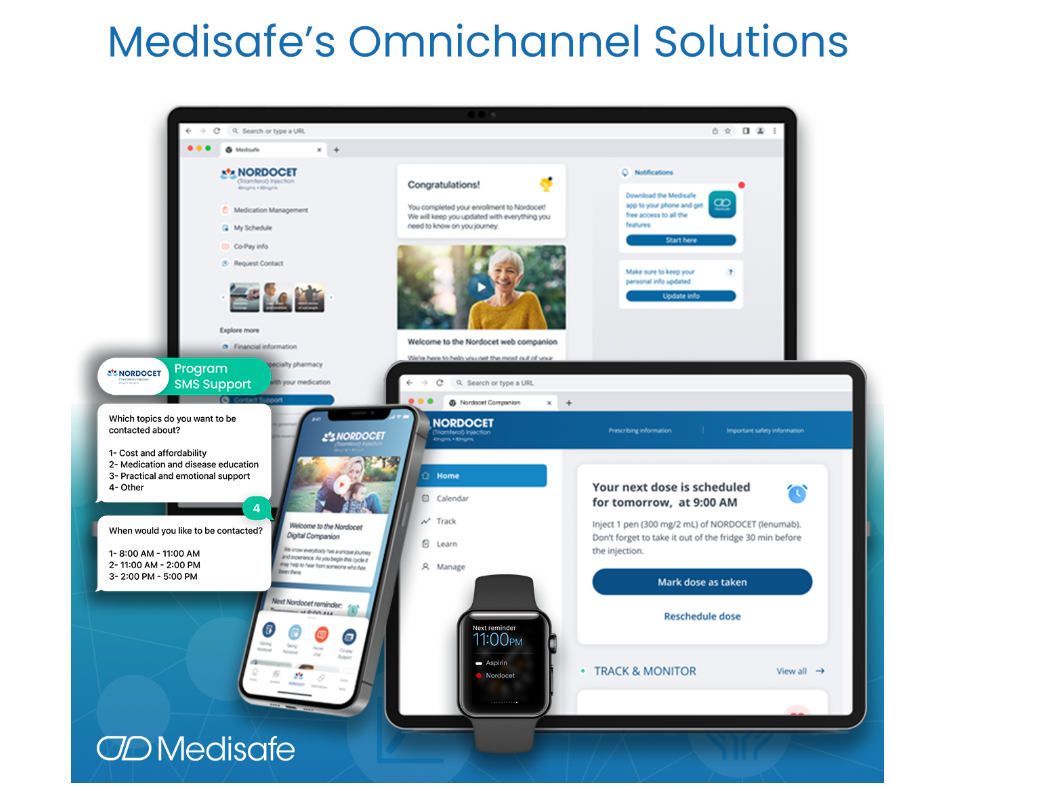
Medisafe: Helps patients manage medication schedules and adherence.
How businesses use AI assistants
AI-powered virtual assistants are transforming businesses by automating repetitive tasks, enhancing user experiences, and streamlining operations. From healthcare to retail, voice assistants improve efficiency—scheduling assistants handle appointments, while customer support assistants offer personalized experiences through voice commands and contextual understanding.
With the rise of assistant technology, businesses increasingly adopt AI to overcome language barriers and enhance security measures. A prime example is the LiveAgent AI Chatbot, which integrates over 15 advanced AI models, including ChatGPT and Google Assistant, for natural language understanding and predictive analytics. It quickly resolves common queries and escalates complex issues to human agents.
By leveraging AI-powered virtual assistants like LiveAgent, businesses can enhance customer support, optimize workflows, and stay competitive in the digital age. Try the LiveAgent AI Chatbot with a free 30-day trial to experience its impact firsthand.
The benefits of AI digital assistants across industries
AI virtual assistants in healthcare
AI virtual assistants are transforming healthcare by making processes more efficient, improving patient care, and reducing administrative burdens. They help analyze diagnostic images, such as X-rays or MRI scans, to detect abnormalities with high accuracy. This supports early disease detection. For instance, IBM Watson Health uses AI to analyze medical records and provide insights that help create personalized treatment plans.
These systems also simplify administrative work, including scheduling appointments, managing billing, and handling medical documentation. This allows healthcare professionals to focus more on treating patients. Additionally, virtual assistants assist in drug discovery by predicting how molecules interact, which speeds up the development of new medications.
Retail and e-commerce applications
In retail, AI virtual assistants enhance shopping experiences, manage inventory, and provide 24/7 customer support with AI-based customer service systems. Recommendation engines powered by AI analyze customer behavior, suggesting products that match preferences, leading to seamless, personalized, and customer-centric experiences. This drives sales and loyalty, offering scalable solutions.
AI predicts demand using sales data and trends, helping maintain ideal stock levels. Google Cloud and Amazon Web Services offer robust analytics services, aiding in inventory management, like estimating demand for perishable items to reduce waste.
AI-powered customer support assistants and scheduling assistants address common queries with minimal training. These feature-rich tools provide seamless integration and operate as standalone tools or integrated systems. With security protocols, security certifications, and a strong technology stack, these solutions ensure robust data security measures while mitigating potential risks. This solution development supports businesses in maintaining relevance over time and strengthening their reputation for customer service.
Financial services and banking
In the finance sector, AI virtual assistants automate customer interactions and ensure secure data handling. They offer financial advice, assist with loan applications, and handle routine questions about account balances or transactions. Chatbots with natural language processing (NLP) provide smooth communication, improving customer satisfaction.
AI also plays a role in identifying fraud by analyzing transaction patterns and flagging unusual activities in real time. This reduces financial risks and strengthens customer trust.
Travel and hospitality
AI virtual assistants simplify travel planning by offering tailored recommendations for trips and accommodations. They take care of bookings, cancellations, and customer inquiries, ensuring a smooth travel experience for users.
With predictive analytics, AI helps travel companies forecast demand, set competitive prices, and manage inventory. This allows businesses in the hospitality industry to stay competitive while offering excellent service.
Manufacturing and supply chain management
In manufacturing, AI virtual assistants improve production efficiency and monitor supply chain operations. They analyze data to predict when equipment might fail, enabling businesses to perform maintenance before issues arise, which minimizes downtime.
For supply chain management, AI predicts demand, tracks shipments, and improves logistics. This ensures timely deliveries and keeps costs under control. By using AI virtual assistants, manufacturing companies can operate more effectively and stay flexible in changing conditions.
Education and learning
AI virtual assistants provide customized learning experiences by adapting educational materials to meet the individual needs of students. They also help teachers with administrative tasks, such as grading and tracking attendance, giving educators more time for interactive teaching.
With features like real-time language translation and voice recognition, AI assistants support multilingual learning environments, making education more accessible to diverse groups of students.
AI virtual assistants in customer support
AI-powered assistants have changed the way businesses manage customer support by offering faster, more efficient, and personalized services. These virtual assistants use advanced AI technologies like machine learning (ML) and natural language processing (NLP) to respond to customer queries, solve problems, and improve overall user experiences.
By examining customer interactions and preferences, these assistants provide customized solutions designed to meet individual requirements. This approach increases customer satisfaction and builds loyalty. Research from the Journal of Retail and Consumer Services highlights that AI assistants and chatbots improve customer experiences by delivering immediate responses, reducing waiting times, and ensuring 24/7 availability.
Key Advantages of AI in customer support
24/7 availability
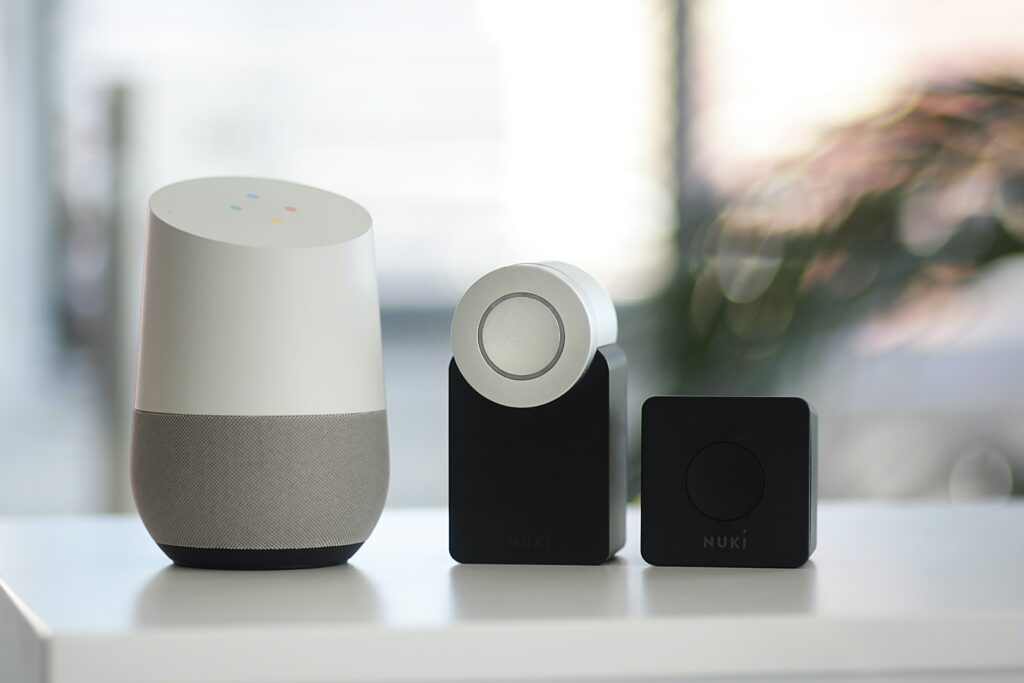
AI-powered assistants, such as LiveAgent AI Answer Assistant and Google Home, are available around the clock, ensuring customers get help whenever they need it. This is especially useful for businesses serving customers across different time zones. For instance, late-night shoppers can use chatbots to get immediate answers, eliminating delays and improving their experience. These AI-powered personal assistants handle complex tasks with quick response times, providing smooth voice interactions and contextual understanding to offer human-like responses.
Scalability and efficiency
Unlike human agents who can only handle a limited number of interactions at once, AI digital assistants can manage thousands of customer queries simultaneously. This scalability ensures that businesses can handle high demand without lowering service quality. Routine tasks, such as answering common questions or managing scheduling, are automated, allowing human agents to focus on more complex and strategic tasks. AI assistants provide proactive solutions, making them essential for employee productivity and overall operational efficiency. This capability also ensures businesses can meet industry standards and integrate assistant technology seamlessly.
Data-driven insights
AI assistants collect and analyze large amounts of customer data, including past interactions, preferences, and recurring problems. By processing this information, businesses can gain valuable insights to refine their customer service strategies, anticipate customer needs, and improve the products or services they offer. AI tools continuously monitor customer behaviors and adjust to provide more relevant solutions. This makes AI virtual assistants a forward-looking solution that fosters exceptional customer experiences by utilizing data to prevent incorrect responses and tedious tasks.
Personalization at scale
Through sophisticated algorithms, AI digital assistants offer personalization at scale, delivering tailored recommendations and solutions based on customer preferences over time. This personalization not only enhances the customer experience but also fosters trust and loyalty. For example, e-commerce platforms often use AI to suggest products based on previous purchases or browsing history. Incorporating voice recognition and conversational interfaces, these AI voice assistants provide seamless, human-like responses, offering businesses the opportunity to improve customer service and handle follow-up tasks with ease.
LiveAgent AI chatbot: A comprehensive solution
The LiveAgent AI Chatbot is a prime example of how AI technology is transforming customer support. This powerful assistant is integrated into LiveAgent’s chat platform and works seamlessly with FlowHunt, a leading AI chatbot provider. It handles routine inquiries using knowledge bases, escalates more complex questions to human agents, and even assists with generating leads.
Key features of the LiveAgent AI Chatbot include:
Multimodal Support: The chatbot supports over 100 languages, making it suitable for businesses with global customers.
Flexibility: Companies can design multiple chatbots for different functions, such as customer support, sales, or internal operations.
Advanced AI Models: The default model is ChatGPT, but FlowHunt supports over 15 advanced AI models and allows businesses to integrate their own large language models (LLMs).
Conclusion
AI virtual assistants are reshaping industries by improving efficiency and personalization. From simplifying healthcare operations to enhancing customer experiences in retail and e-commerce, these tools are driving innovation. As technology advances, the applications of AI digital assistants will continue to grow, offering even more opportunities for businesses and organizations to succeed. Companies seeking to remain competitive should consider adopting AI-powered solutions, incorporating them into their workflows, and staying flexible to keep up with the rapid progress in artificial intelligence.
One such tool that exemplifies this impact is the LiveAgent AI Chatbot. This advanced tool, powered by state-of-the-art AI, integrates seamlessly with LiveAgent. It can instantly respond to customer questions, forward complex issues to support teams, and even help generate leads. Discover the impact AI virtual assistants can have on your business. Sign up for a free 30-day trial of LiveAgent today to take your customer support and operations to the next level.
Share this article
Lilia is a copywriter at LiveAgent. Passionate about customer support, she crafts engaging content that highlights the power of seamless communication and exceptional AI-powered service.
Lilia Savko
Copywriter
Frequently asked questions
Unlike traditional chatbots, AI virtual assistants can handle more complex questions, adapt to user behavior, and learn from past interactions. They use conversational AI to simulate human-like conversations and provide personalized answers that improve user experience.
The key technologies include Natural Language Processing (NLP) for understanding human language, Machine Learning (ML) for learning from interactions, Artificial Intelligence (AI) for decision-making, and Speech Recognition/Voice Synthesis for voice-based interactions.
Businesses use AI virtual assistants for customer support, lead generation, appointment scheduling, data analysis, personalized recommendations, and workflow automation. They help reduce costs, improve response times, and enhance customer satisfaction across industries.
Healthcare, retail and e-commerce, financial services, travel and hospitality, manufacturing, education, and customer support are seeing significant benefits from AI virtual assistant implementation.
AI virtual assistants complement human agents rather than replace them. They handle routine tasks and common queries, while complex or sensitive issues are escalated to human agents, creating a seamless hybrid support model.
AI customer service agents: How do they improve client service?
AI customer service agents boost efficiency with instant responses, sentiment analysis, multilingual support, and personalized interactions. They reduce costs, ...
Benefits of Chatbots: Top Business Examples & Use Cases
Discover how AI chatbots are revolutionizing business interactions, boosting efficiency, reducing costs, and delivering 24/7 customer support. Explore top benef...