How to Achieve the Best Customer Service in the Real Estate Business
Master real estate customer service with strategies like active listening, over-communicating, fast responses, and leveraging tools like LiveAgent. Build trust, personal connections, and client loyalty through tailored interactions, AI-driven tools, and proactive communication.
Published on Jan 20, 2026 by Lucia Halašková.Last modified on Jan 20, 2026 at 7:35 am
Real Estate
Customer Service
Client Relationships
Business Growth
In an industry driven by client relationships, outstanding customer service is crucial in real estate. A simple transaction is not just a business deal; it is a meaningful journey that involves trust and expectations.
With the rapid changes in the market, understanding client expectations has never been more vital. Delivering unparalleled service can distinguish your agency from the competition and foster long-lasting client relationships.
This article serves as a comprehensive guide on how to achieve the best customer service in the real estate business, showcasing best practices, strategies, and tools like LiveAgent to help you elevate your service offerings effectively.
The Importance of Customer Service in Real Estate
Exceptional customer service in real estate creates lasting impressions, which are vital for building a loyal client base. This relationship-driven industry thrives on trust and reliability.
Keys to success in real estate customer service:
Over-communicate: Keep clients informed at every stage of the buying and selling process. Strong communication leads to repeat business and referrals.
Active listening: Understand client needs and preferences to enhance the customer experience.
Build personal connections: Trust and emotional bonds increase the chances of continued business.
Providing outstanding service is not just about transactions; it’s about fostering strong relationships. This connection makes clients feel valued and appreciated, setting the stage for future transactions.
Key Factor
Benefit
Over-Communication
More referrals and repeat business
Active Listening
Better service delivery
Personal Touch
Higher client retention
LiveAgent is an excellent tool for delivering real estate customer service. It ensures quick responses and allows for tracking client inquiries, enhancing the ability to maintain strong client relationships. In this competitive market, exceptional customer service is essential for success.
Understanding Client Expectations in the Current Market
Real estate professionals must stay informed about market developments and business trends to offer insightful guidance during transactions. To enhance client satisfaction, it’s vital to set clear expectations regarding procedures, deadlines, and potential challenges right from the start. This proactive communication can help minimize misunderstandings.
Clients increasingly expect immediate responses to their inquiries. Quick solutions greatly affect their satisfaction and loyalty. Therefore, creating channels for swift communication, such as autoresponders and emergency lines, is essential. These tools help manage expectations and ensure timely responses.
Balancing speed with a personal touch is crucial. While clients seek quick service, they also value personalized interactions. Real estate professionals should strive to combine both for effective client relationship management. This balance fosters stronger client relationships and ensures a positive customer experience.
Key factors in meeting client expectations:
Understand market trends
Set clear expectations
Provide immediate responses
Balance quick service with personalized care
Use tools like autoresponders and emergency lines
By mastering these factors, real estate agents can excel in today’s competitive market.
Strategies for Fast Response Times
In the competitive real estate market, fast response times are crucial. Clients value speed, efficiency, and convenience in their property search. Here are strategies to achieve this:
Automate routine tasks: Automating time-consuming tasks can improve service speed. Routine actions like data entry can be handled by AI, freeing agents to focus on client interactions.
AI-Driven CRM systems: Use AI-powered CRM systems to ensure timely follow-ups and personalized communications. This helps maintain quick responses to client inquiries, enhancing their customer experience.
Leverage technology: Tools like virtual tours and AI-streamlined property databases allow agents to meet client needs efficiently. This proactive approach can impress clients and strengthen relationships.
Prioritize communications: Clients expect quick replies. Establish response time goals for phone calls, emails, and chat inquiries to ensure no client feels ignored.
Strategy
Benefit
Automation
Saves time for client-focused tasks
AI-driven CRM
Fast, personalized communications
Virtual Tours
Convenient, thorough property views
By implementing these strategies, real estate services can improve client satisfaction and build long-term relationships. Remember, tools like LiveAgent offer exceptional solutions for seamless customer service.
Effective In-Person Interactions with Clients
Effective in-person interactions with clients are essential in the real estate industry. Ensuring a positive client experience relies on a few key practices:
Regular training: Staff should undergo regular training focusing on empathy and responsiveness. This enhances interactions and ensures clients feel valued and understood.
Technology utilization: Employing effective technology can streamline operations and improve communication. CRM systems, for example, allow agents to track client preferences and history, facilitating personalized interactions.
Transparency: Building trust through transparency is crucial. Documenting client communications can reinforce confidence during meetings. Be open and honest to strengthen client relationships.
Client feedback: Gathering and analyzing client feedback helps adapt services to meet client needs. This not only improves future interactions but also fosters long-term relationships.
Effective in-person interactions are built on active listening, transparency, and tailored service. Tools like a reliable CRM system can provide agents with the insights needed to adapt and engage effectively. One exemplary solution for managing customer interactions in real estate is LiveAgent, known for enhancing client communication and satisfaction.
Utilizing Telephone Support Effectively
Utilizing telephone support effectively is crucial in the real estate industry. Promptly answering calls can boost client satisfaction and show a strong commitment to service. Maintaining a friendly and professional tone during phone interactions can significantly enhance the client experience during real estate transactions.
Following up on inquiries via telephone strengthens client communication and shows dedication to addressing needs. It is important for real estate professionals to be ready to respond to clients even outside of regular hours, as this responsiveness can increase the chances of closing deals.
Leveraging call center services can be a valuable strategy. Agents can ensure that every client call is handled by trained specialists, maintaining high levels of customer service availability. This means that potential clients always reach someone who can assist them, contributing to a positive experience.
Key Tips for Telephone Support:
Answer calls promptly.
Maintain a friendly and professional tone.
Follow up on inquiries.
Be available outside regular hours.
Use call center services for consistent support.
By implementing these practices, real estate businesses can improve their client interactions and foster strong relationships with both current and potential clients.
The Benefits of Web Chat and AI-Powered Chatbots
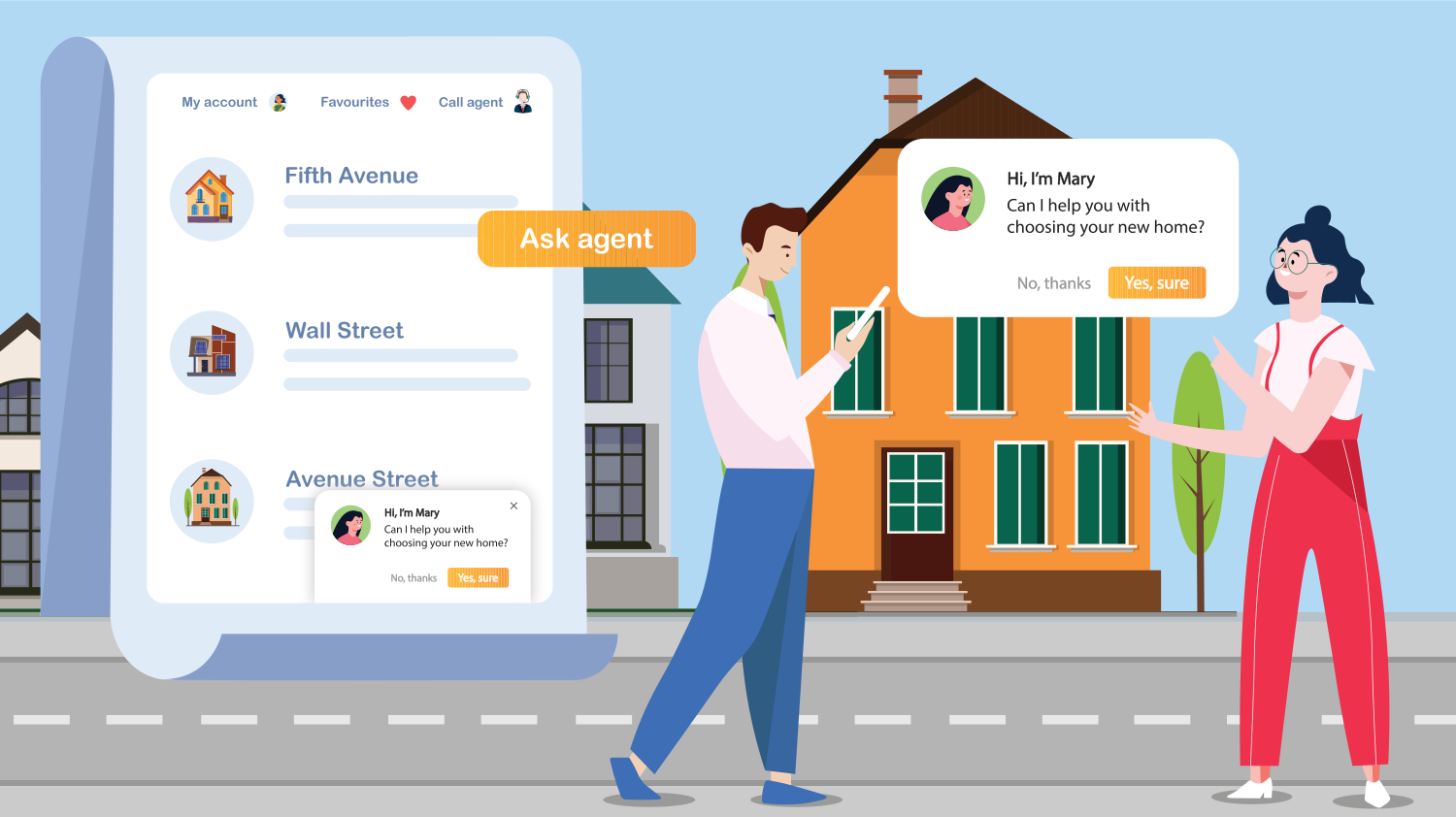
These tools handle common inquiries efficiently, freeing up human resources for complex tasks. This ensures quick responses, enhancing the overall client experience.
Advanced AI chatbots go a step further by managing complex interactions and providing personalized responses. By mimicking human conversation, they create a more engaging interaction with real estate clients.
Complex interaction management: Advanced AI mimics human conversation.
Personalization: Offers tailored responses to enhance client experience.
Balance automation and personalization: Ensures a personal touch even with automation.
Multiple communication channels: Increases engagement and service quality.
A key feature is the “speak-to-an-agent” option, which builds credibility by providing clients immediate access to a human representative. This is particularly important in avoiding scams, a common concern in real estate transactions.
Leveraging CRM Systems for Improved Service
Leveraging CRM systems can significantly enhance real estate customer service. These tools help real estate agents manage client interactions and track their needs effectively. By utilizing CRM software, agents can ensure all client information—leads, contacts, accounts, and opportunities—is well-organized and accessible.
Benefits of CRM Systems:
Improved decision-making: With detailed client data at their fingertips, agents can make informed decisions efficiently.
Enhanced service quality: Addressing inefficiencies becomes smoother, improving the overall customer experience.
Stronger client relationships: By managing interactions throughout the client lifecycle, agents can foster long-term relationships.
Integrating CRM systems into daily operations streamlines workflows without losing the personal touch that clients value. This leads to better client satisfaction and sets the foundation for future transactions. Moreover, a real estate CRM enables the categorization of client-related information, ensuring quick access and easy management.
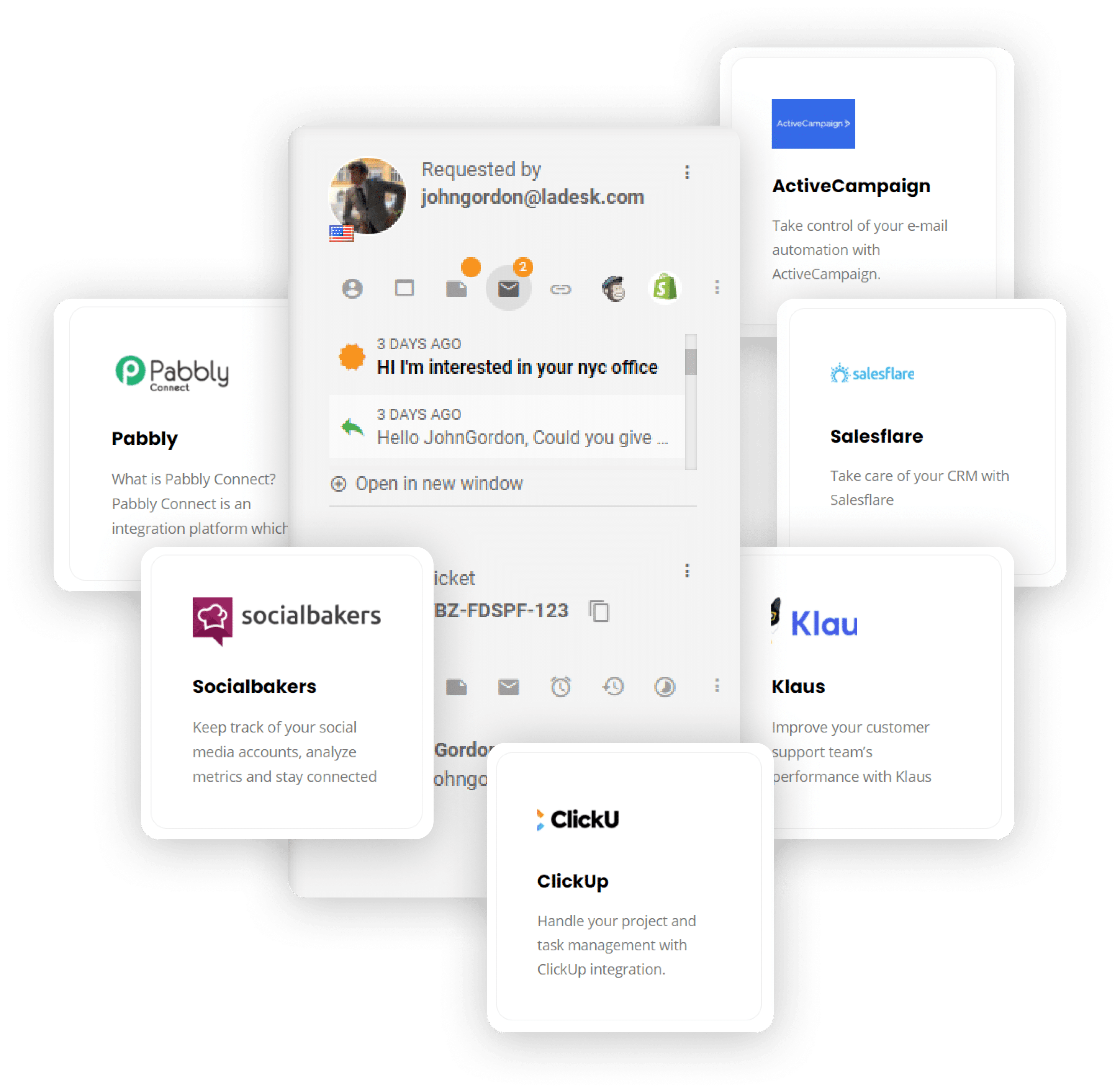
CRM systems are essential tools for thriving in the competitive real estate market. They optimize service delivery while allowing agents to maintain the exceptional customer service that defines successful real estate transactions. For those seeking the best solution, LiveAgent integrates a comprehensive suite of CRM features tailored for the real estate industry.
Offering Virtual Tours to Enhance Client Experience
Virtual tours are transforming the real estate industry by enhancing the client experience. Here’s how they make a difference:
Benefits of virtual tours:
Detailed views: Clients can explore properties in-depth with high-quality photos, videos, and 360-degree tours.
Time-saving: Clients and agents save time by streamlining the property selection process.
Convenience: Buyers can view properties at their own pace and schedule.
Modern approach: Reflects a tech-savvy strategy that aligns with today’s buyer preferences.
How virtual tours improve customer experience:
Advantages
Impact on clients
High-quality media
More engaging and informative property viewings.
Accessibility
Easier decision-making with flexible viewing options.
Efficiency
Quicker narrowing down of property preferences.
By incorporating virtual tours into real estate services, you cater to the technological preferences of modern buyers. This not only boosts client satisfaction but also strengthens relationships, resulting in future transactions with satisfied clients.
Developing Mobile Apps for Client Engagement
They offer clients instant access to property listings, enhancing their overall experience. The convenience of mobile access allows clients to stay updated on new listings and makes it easy to communicate with agents, which can significantly improve customer satisfaction.
Here’s how mobile apps can enhance client engagement:
Instant access to listings: Clients can view and track properties anytime, anywhere.
Automated scheduling tools: These streamline booking appointments, making property viewing efficient.
AI-Powered platforms: Tools like Presence Copilot offer smart collaboration and insights, boosting agent-client communication.
Data Analytics: Understand client behavior to provide tailored services.
Feature
Benefit
Property listings
Immediate updates on available properties
Communication tools
Easy interaction between clients and agents
Scheduling & booking
Simplified appointment process
AI and data insights
Personalized services and enhanced engagement
By integrating these features, real estate businesses can better understand and cater to their clients’ needs. This leads to stronger client relationships and a more competitive market presence.
Importance of Training and Development in Customer Service
In the competitive real estate industry, training and development are key to delivering exceptional customer service. Real estate businesses must invest in regular training to boost client satisfaction and drive success. These sessions keep employees updated on the latest customer service techniques and industry trends.
Training programs should focus on key skills like communication, problem-solving, and empathy. These skills enable staff to navigate various client situations effectively. A practical approach to training includes role-playing exercises. These exercises let real estate staff practice and manage different client interaction scenarios.
Here’s a quick list of the benefits of well-trained staff:
Improved client satisfaction
Enhanced problem-solving capabilities
Stronger client relationships
Better client interactions
Well-trained staff directly contribute to the success of real estate firms. They enhance the customer experience, increasing the likelihood of future transactions and long-term relationships. Ultimately, a robust training program is essential for any real estate business aiming for excellent customer service.
Creating Regular Training Sessions for Staff
Creating regular training sessions for staff is key to enhancing customer service in real estate. These sessions should cover skills like communication, problem-solving, and empathy. This approach helps staff handle client interactions more effectively.
Role-playing exercises are an integral part of these trainings. They allow staff to engage with potential scenarios they might face during client interactions. This not only boosts their confidence but also hones their competence.
Offering online courses and workshops adds flexibility to the training schedule. Staff can learn about customer service and communication at their own pace. This ensures that even busy schedules don’t hinder staff development.
A culture of feedback and continuous improvement is essential. Regular performance reviews and client feedback help pinpoint training needs. This allows for a tailored approach to staff development and ensures that training remains relevant.
Ongoing training helps real estate businesses stay competitive. It ensures that staff skills are continually updated, ultimately improving customer service quality and fostering stronger client relationships.
Element
Benefit
Role-playing exercises
Boosts confidence and competence
Online courses
Flexible learning at own pace
Feedback culture
Identifies training needs and improvement
Implementing Mentorship Programs for Skill Enhancement
Implementing mentorship programs in real estate businesses can greatly enhance customer service skills. When staff members learn from experienced mentors, they gain valuable insights into empathy and responsiveness. These skills are essential in handling client inquiries effectively.
A skillful response to inquiries builds trust and satisfaction. By fostering active listening and effective communication, mentorship programs help agents navigate client interactions smoothly. This ensures clients feel heard and valued, creating a positive experience.
Mentors can also guide staff in using Customer Relationship Management (CRM) tools more efficiently. For example, utilizing CRM systems can streamline communication. This allows for quick responses and personalized interactions.
CRM Benefits
Description
Streamlined Communication
Ensures timely responses
Tailored Interactions
Customizes client interactions
Follow-Up Management
Keeps leads progressing towards closure
Moreover, mentorship can inspire agents to personalize their marketing efforts. A CRM-driven approach can deliver tailored content to real estate clients. This enhances client satisfaction and builds stronger client relationships.
Incorporating mentorship programs is a proactive step toward boosting real estate customer service in this competitive market. It paves the way for long-term relationships and future transactions. Embracing these best practices supports exceptional customer service.
Communication Strategies for Fostering Trust
Effective communication strategies are key to fostering trust in real estate dealings. Here are some essential practices:
Clear and concise messaging: Make sure your communication is straightforward. This helps clients make informed decisions and avoids misunderstandings.
Regular updates: Keep clients informed about transaction statuses. Regular updates build trust and show clients that you value their business, enhancing overall client satisfaction.
Personalized communication: Use CRM systems to track client preferences. This personalized approach fosters a sense of value and understanding in client interactions.
Honesty and integrity: Be transparent in your communications and uphold truthful practices. This openness builds trust and credibility with clients.
Strong client-agent relationships: Develop strong relationships with clients through effective communication. These relationships can lead to efficient negotiations and mutually beneficial agreements.
Here’s a quick comparison:
Strategy
Benefit
Clear Messaging
Informed Client Decisions
Regular Updates
Enhanced Trust and Satisfaction
Personalized Communication
Client Value and Understanding
Honesty and Integrity
Trust and Credibility
Strong Relationships
Efficient Negotiations
Implementing these strategies can significantly improve client experiences and lead to lasting relationships in the real estate industry.
The Role of Active Listening in Customer Interactions
Active listening plays a crucial role in customer interactions within the real estate industry. It involves fully concentrating on clients to accurately identify their needs and concerns. Key practices include maintaining eye contact, nodding, and summarizing client statements to ensure understanding.
To create an environment conducive to active listening, it’s important to minimize distractions. This can be done by silencing phones and closing computer screens during conversations. Developing these skills requires practice. Real estate professionals should focus on improving their abilities over time.
Effective communication, anchored in active listening, is essential. It enhances client trust and builds long-term relationships. Here’s a quick guide for active listening:
Practices for active listening:
Make consistent eye contact
Nod to show engagement
Summarize client statements
Environment tips:
Silence phones
Close computer screens
By emphasizing active listening, real estate businesses can create positive experiences and foster strong client relationships, ensuring success in this competitive market.
Keeping Clients Informed with Regular Updates
Keeping clients informed with regular updates is key in the real estate industry. Regular updates via clients’ preferred communication channels help build trust and show that their business is valued. Keeping clients informed about the status of their transactions enhances client satisfaction.
Effective communication, including regular updates, is vital for maintaining strong client-agent relationships. Providing clients with clear explanations of processes, along with regular updates, boosts their trust and confidence in your services. Being proactive in communication ensures that clients do not feel blindsided or confused during the transaction process.
Here’s how to keep clients informed effectively:
Establish communication channels: Determine clients’ preferred method of contact—email, phone, or messaging apps.
Schedule regular check-ins: Set specific times for updates to ensure consistency.
Be transparent: Offer clear and honest explanations of where they stand in the process.
Provide virtual tours: When applicable, use videos to give clients a clear picture without needing physical visits.
A balanced approach to communication can turn potential clients into loyal ones and build long-term relationships.
Analyzing Real Estate Customer Experience Examples
Exceptional customer service not only sets a business apart but also helps establish strong client relationships that lead to trust and reliability. Such relationships are key to gaining repeat business and referrals.
Professionals who focus on enhancing the customer experience are better equipped to adapt to changing client needs and market trends. Active listening to client needs and providing prompt responses are critical. A quick response to inquiries and consistent communication can greatly improve customer satisfaction.
Real estate professionals should also follow up with clients after initial interactions. A simple thank-you note or a check-in call shows clients that their satisfaction matters. This personal touch can significantly elevate the service quality.
Best Practices:
Active Listening
Quick Responses
Regular Communication
Follow-Up with Clients
For businesses looking to improve their customer service, LiveAgent offers a comprehensive solution. It helps manage client inquiries efficiently and maintains a personal touch, ensuring exceptional customer service in every transaction. By implementing these practices, real estate professionals can ensure a positive and memorable client experience.
Best Practices for Superior Customer Service Delivery
Delivering superior customer service in real estate requires focus on several best practices:
Specialization in niche areas: Real estate agents who specialize can offer more tailored expertise, meeting specific client needs more effectively.
Utilize data analytics: Tailor services to individual preferences by using data analytics. This boosts customer satisfaction and transaction success.
Regular training: Ensure staff undergo regular training to maintain service standards and handle diverse client situations confidently.
Stay organized: By staying organized, agents can track client needs and deadlines, ensuring the timely delivery of accurate information.
Be responsive: Quick responses to calls and emails foster effective communication and strong client relationships.
Consider these strategies:
Practice
Benefit
Specialization
Enhanced expertise in client needs
Data Analytics
Increased satisfaction and success
Regular Training
Prepared staff for various situations
Organization
Timely and accurate information
Responsiveness
Strong relationships and communication
Using these practices, real estate businesses can thrive in a competitive market. For exceptional customer service, LiveAgent offers a full-featured solution, ensuring quick responses and personal touches in all client interactions.
Building Personal Connections with Clients
Building personal connections with clients is crucial in the real estate industry. Establishing a rapport based on respect and trust enhances service delivery and boosts client satisfaction.
Key strategies to build strong client connections:
Understand your clients: Take time to know your clients and their needs. This leads to an enhanced customer experience and helps retain clients longer.
Add personal touch: Small gestures, like providing a local area guide or helping with utility transfers, create a memorable and positive impression.
Consistent communication: Use straightforward language for regular updates on transactions. This transparency strengthens client relationships.
Exceptional service: Outstanding service fosters trust and encourages repeat business and referrals, vital for real estate growth.
Building strong client relationships is an investment in future transactions and success. By focusing on active listening and effective communication, real estate businesses can forge enduring connections that lead to satisfied clients and a thriving business.
Addressing Client Feedback and Concerns
Addressing client feedback and concerns is crucial in real estate customer service. After a transaction, ask clients for feedback. This shows you care about their satisfaction and helps you improve your services. Here’s how to effectively address client feedback:
Actively seek feedback: After every real estate transaction, reach out to clients. A simple survey can reveal what worked well and what needs improvement.
Adapt to feedback: Use the feedback to make changes. If multiple clients mention the same issue, it’s time to adjust your services.
Follow-Up: Check in with clients even after you’ve addressed their feedback. This shows you’re committed to maintaining strong relationships.
Embrace continuous improvement: Regularly review performance and feedback to ensure your real estate services remain top-notch.
Active listening: Engage with clients’ needs and listen to their concerns to build trust.
By applying these practices, real estate professionals can enhance the client experience. This approach encourages referrals and future business opportunities, particularly in a competitive market.
Tools like LiveAgent can streamline this process, aiding in quick responses and effective communication, fostering long-term relationships.
Conclusion
Exceptional customer service in real estate is essential for establishing strong client relationships. By prioritizing customer experience, real estate professionals can stand out in a competitive market. This not only leads to satisfied clients but also encourages future transactions and long-term success.
Building these strong relationships can be efficiently managed with tools like LiveAgent. This customer relationship management software allows for seamless client interactions, prompt responses, and virtual tours. Real estate businesses can explore LiveAgent’s 30-day free trial to experience its benefits.
Share this article
Lucia is a talented WordPress content editor who ensures the seamless publication of content across multiple platforms.
Lucia Halašková
WordPress Content Editor
Frequently asked questions
Why is customer service important in real estate?
Exceptional customer service in real estate creates lasting impressions and builds a loyal client base. This relationship-driven industry thrives on trust and reliability. Outstanding service distinguishes your agency from the competition and fosters long-lasting client relationships.
What are the key strategies for real estate customer service?
Key strategies include over-communicating to keep clients informed at every stage, active listening to understand client needs and preferences, and building personal connections to increase trust and emotional bonds. These practices lead to repeat business, referrals, and higher client retention.
How can technology improve real estate customer service?
Technology tools like CRM systems, AI-powered chatbots, virtual tours, and mobile apps can significantly enhance customer service. They enable faster response times, personalized interactions, better client data management, and improved accessibility for clients to view properties and communicate with agents.
What role does training play in real estate customer service?
Regular training and development are essential for delivering exceptional customer service. Training programs should focus on communication, problem-solving, and empathy skills. Well-trained staff can navigate various client situations effectively, leading to improved client satisfaction and stronger relationships.
How to Provide the Best Customer Service in Logistics
Discover how to provide exceptional customer service in logistics. Learn key strategies, overcome challenges, and leverage technology like LiveAgent for efficie...
How to Provide the Best Customer Service in Logistics
Discover how to provide exceptional customer service in logistics. Learn key strategies for clear communication, advanced order tracking, and leveraging technol...
Customer Service in Healthcare: Importance and Examples
Explore the critical role of customer service in healthcare, along with the challenges and strategies for improvement to enhance patient satisfaction and loyalt...
16 min read
CustomerService
Healthcare
+2
You will be in Good Hands!
Join our community of happy clients and provide excellent customer support with LiveAgent.