Every business faces customer complaints, but how you handle them can make or break your relationship with clients. Understanding the nuances of complaint management isn’t just about damage control; it’s an opportunity to improve and grow. Mastering the art of effective complaint resolution can transform not only your service but also build lasting customer loyalty.
In this article, we will explore proven strategies to effectively handle customer complaints, offering insight into techniques like active listening and root cause analysis. We’ll also discuss the importance of tools like LiveAgent, which can streamline your complaint management processes. Get ready to learn how to turn complaints into growth opportunities effectively.
Understanding customer complaints
Customer complaints often stem from a variety of issues. Long wait times, poor product quality, inconsistent information, or operational errors are common culprits. These complaints aren’t just problems; they’re opportunities. Analyzing these complaints can provide valuable insights into areas needing improvement.
One effective method is to log all complaints into an internal database. This allows teams to track recurring issues. With this information, businesses can pinpoint areas for improvement. A systematic approach like this can lead to significant enhancements in service quality.
To further manage complaint volume, consider a knowledge base or self-service FAQ page. These tools empower customers to resolve issues on their own. This approach frees up customer service representatives for more complex requests, ensuring your team can focus where it’s most needed.
Lastly, establishing formal guidelines is crucial. A consistent approach to logging, investigating, and resolving dissatisfaction can turn unhappy customers into loyal ones. When businesses listen and act on feedback, they can significantly boost customer satisfaction.
Recognizing the importance of addressing complaints
Recognizing the importance of addressing customer complaints is vital for any business. Effectively handling these complaints is key to maintaining a positive customer experience (CX) and can greatly influence brand loyalty. When a company follows up on customer complaints, it demonstrates that they value customer concerns and are committed to resolving issues.
Here are some key points to consider:
Engagement: Timely responses show customers that their feedback matters.
Feedback Implementation: Using customer feedback for product improvements can decrease complaints and increase retention.
Complaint Resolution: An accessible and straightforward resolution process reduces frustration and fosters positive interactions.
Clear Policy: Establishing a clear complaints handling policy helps everyone understand the steps for resolving issues.
By investing in the complaint resolution process, businesses can transform negative experiences into positive ones. This not only turns dissatisfied customers into loyal customers but also enhances service quality. Solutions like LiveAgent can streamline this process, making it easier to track and resolve customer issues efficiently. Prioritizing complaints leads to continuous improvement, driving customer satisfaction and loyalty.
The step-by-step process for complaint resolution
Effectively resolving customer complaints involves a structured approach. Here’s a detailed step-by-step guide to help you navigate these situations:
Identify the problem: Begin by gathering all relevant documents such as sales receipts, warranties, and repair orders. Accurately defining the issue is crucial to finding the right solution.
Communicate calmly: Approach the staff member who sold the item or provided the service. Clearly explain the issue and specify what resolution you’re seeking.
Escalate when necessary: If the initial attempt doesn’t resolve the issue, ask to speak with a supervisor or manager. Restate your case clearly.
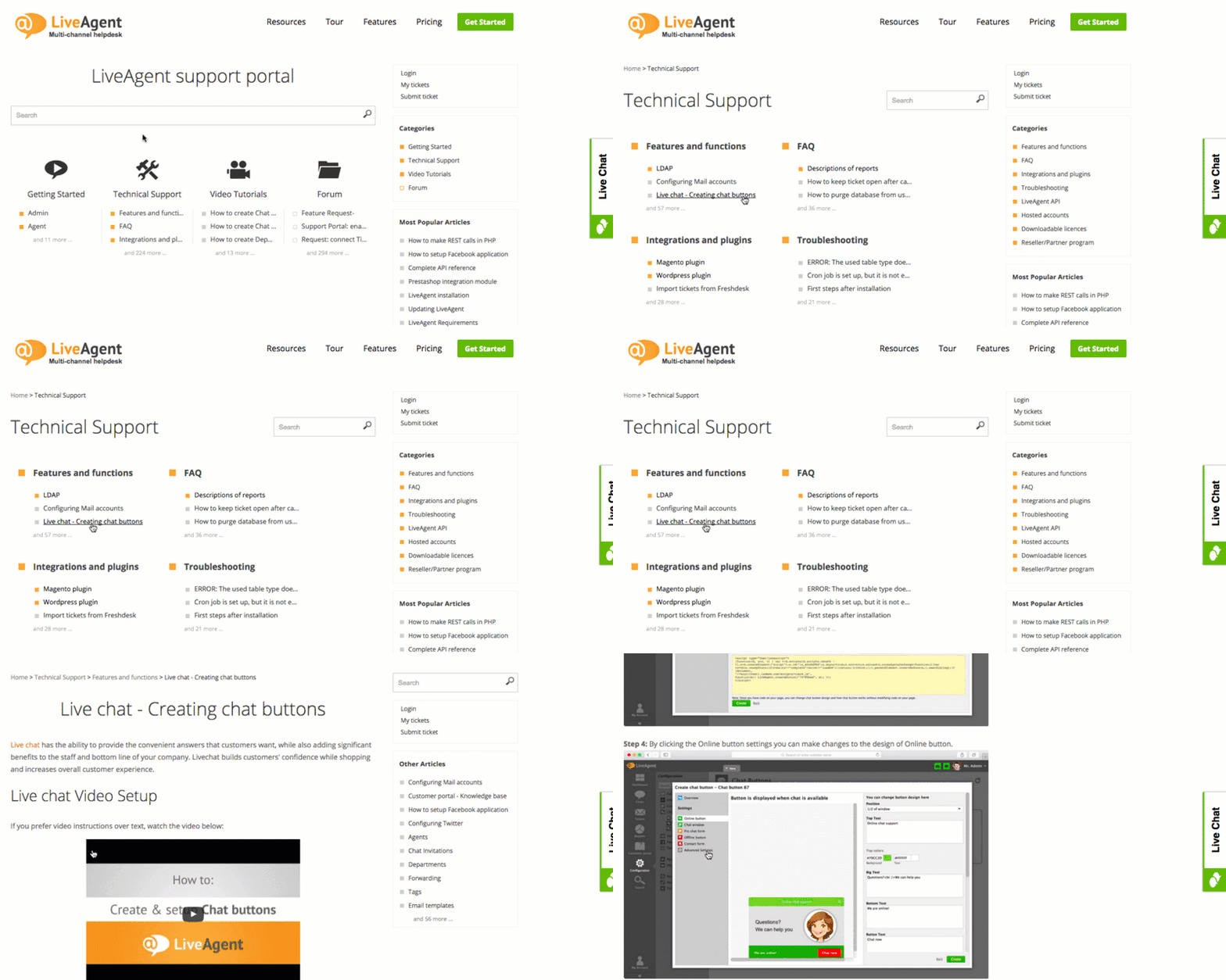
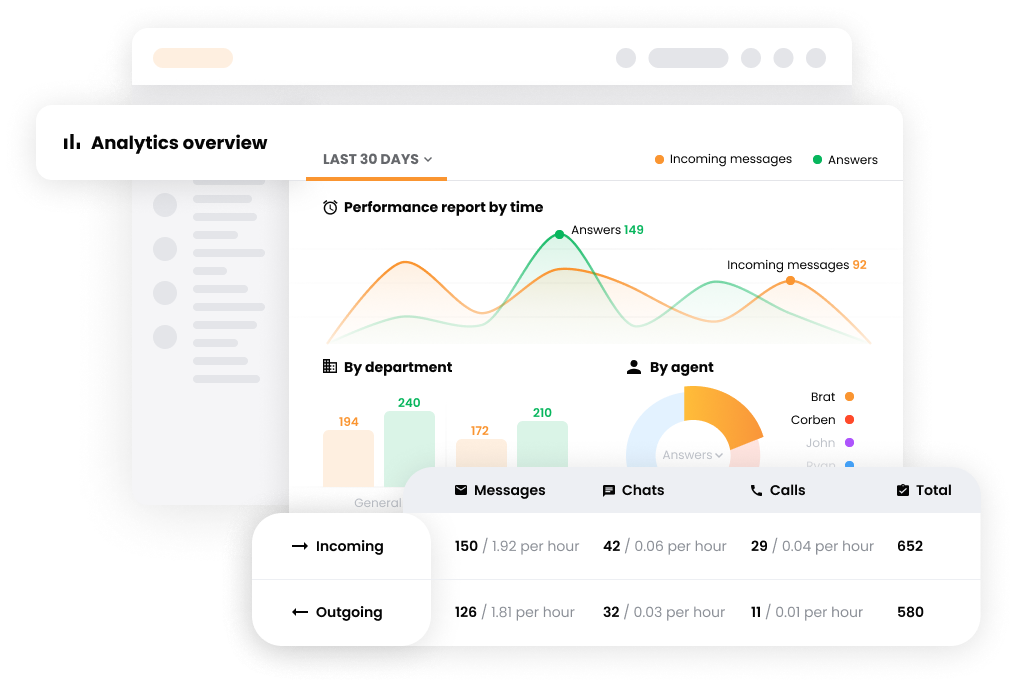
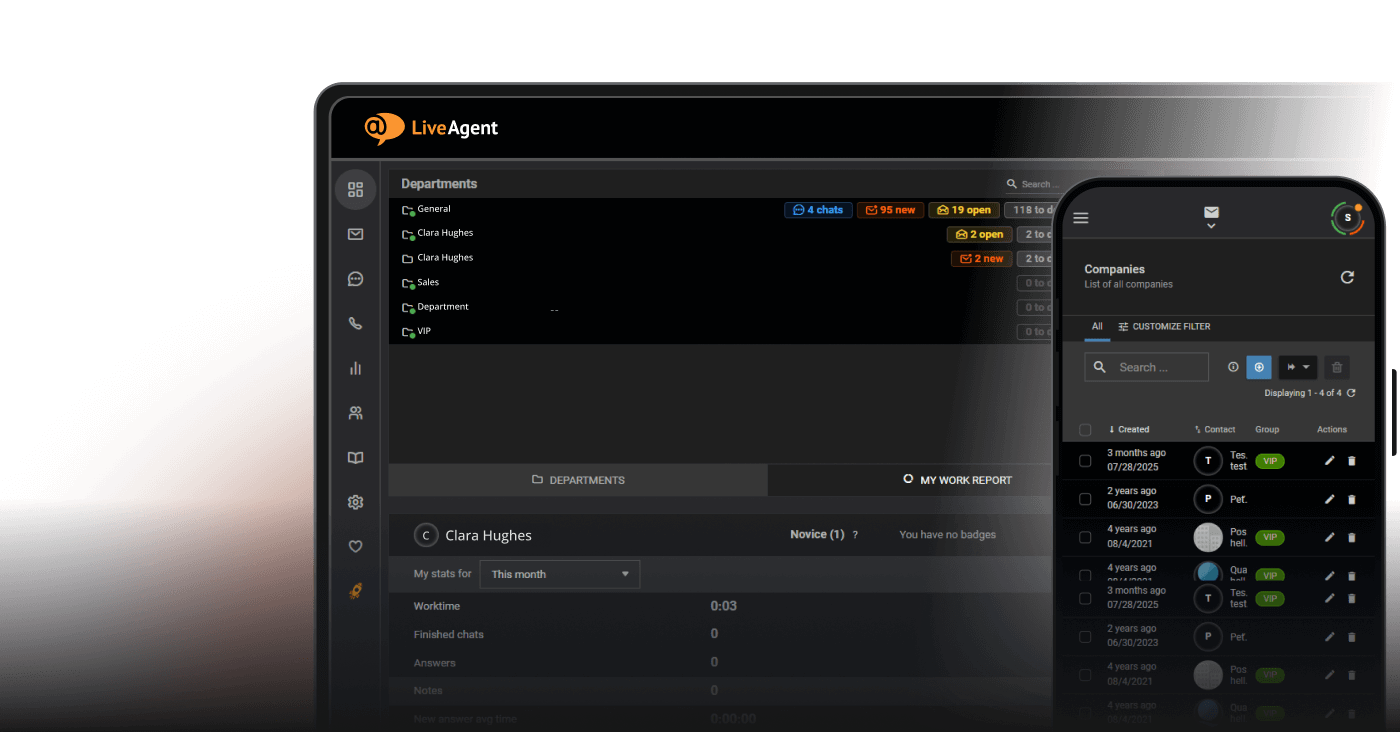
Utilize tracking software: Tools like LiveAgent can track complaints, collect feedback, and identify patterns. This data helps businesses address recurring issues and improve customer service.
Monitor quality metrics: Keep an eye on metrics like first-call resolution rates. This helps identify problem areas early and prevent escalation.
By following these steps, you can ensure a smooth resolution process that turns potentially negative interactions into positive experiences.
Active listening techniques for effective communication
Active listening is essential in understanding and addressing customer concerns effectively. Here are some techniques:
Mirroring: Repeat the last few words the customer said. This shows you’re paying attention and encourages them to share more.
Rephrasing: Restate what you’ve heard in your words. This confirms your understanding and validates the customer’s feelings.
Clarifying Questions: Ask questions to clear up misunderstandings and get a deeper insight into the issue.
Allow Expression: Let customers express their grievances fully without interruption. This creates a calmer environment for resolution.
Mastering these skills can lead to better customer relationships and a more satisfying resolution process.
Identifying the root cause of complaints
Finding the root cause of complaints is essential for effective resolution:
Expectation gaps: Poor marketing or unrealistic promises often lead to complaints when expectations are not met.
External factors: Sometimes, supply chain issues or bad weather can cause service failures.
Experience vs. expectation: A mismatch between expected and actual service can spark dissatisfaction.
Empathizing with customers helps in addressing their grievances and reducing the impact of complaints.
Providing sincere apologies to customers
A heartfelt apology can defuse tension and aid in complaint resolution:
Effectiveness of apologies: A study shows 45% of complaints were withdrawn after an apology, compared to 23% with compensation alone.
Acknowledge frustration: A sincere apology acknowledges customer frustration and shows responsibility.
Avoid insincere apologies: Genuine apologies like, “I’m sorry this happened, that’s unacceptable,’ work better without undermining the customer’s experience.
Commit to resolution: Follow an apology with a promise to fix the issue to rebuild trust.
Apologies can be powerful tools in mending customer relationships and improving the overall experience.
Offering viable solutions to resolve issues
Providing effective solutions is key to turning complaints into opportunities:
Structured processes: Establishing a procedure for handling complaints ensures consistency and satisfaction.
Multiple support channels: Offer phone, email, chat, and social media support to suit customer preferences.
Self-service options: An FAQ page or knowledge base empowers customers to resolve minor issues on their own, freeing resources for more complex inquiries.
Consistent policies: Develop guidelines to effectively log, investigate, and resolve issues.
Recognizing common complaints, like product quality or communication failures, highlights the need for a coordinated response. Streamlining this process through platforms like LiveAgent can make addressing customer pain points more efficient, ultimately fostering loyalty and satisfaction.
Best practices for managing customer grievances
Handling customer complaints effectively requires a strategic approach. It involves listening actively and responding with empathy. Following best practices not only resolves issues but also strengthens customer loyalty. Here’s a guide to mastering the art of managing customer complaints.
Maintaining professionalism during interactions
Maintaining professionalism is crucial when dealing with complaints. Begin by acknowledging the customer’s frustration without becoming defensive. Use more ’thank yous” than “sorries” to diffuse tension. For example, say", “Thank you for bringing this to our attention.” This technique preserves dignity on both sides.
Moreover, training in empathy and emotional intelligence can further enhance professionalism. By understanding a customer’s emotions and reacting wisely, you build a more trusting relationship.
Offering multiple channels to voice complaints, such as live chat and phone support, also exhibits flexibility. Tools like LiveAgent provide an excellent platform for this. They offer various communication channels and ensure timely responses to customer queries.
Avoiding blame and taking responsibility
Taking responsibility is essential in complaint resolution. Even if the fault is not directly yours, customers expect accountability. Apologize effectively by acknowledging their experience, not just the error. For instance, “I understand this has been frustrating, and here’s how we’ll rectify it.'
Empathy plays a pivotal role in this process. By seeing a situation from the customer’s perspective, you ensure their concerns are understood and valued.
Conveying clear communication and swift responses can transform unhappy customers into loyal ones. With sincere apologies and efficient solutions, you can often turn around even the most negative experiences.
Ensuring transparency throughout the process
Transparency is key in handling complaints. Begin by listening and acknowledging the customer’s feelings. Provide clear explanations of what went wrong without placing blame. Regular updates on the complaint resolution process assure customers they are valued.
Be upfront about company policies and limitations. Transparency about what can and cannot be done builds trust and sets realistic expectations.
Continuously update customers on the resolution status, including timelines. By keeping them informed, you mitigate misunderstandings and boost customer satisfaction.
Managing customer complaints with professionalism, responsibility, and transparency not only resolves issues but can transform dissatisfied customers into loyal advocates. Implementing these strategies with tools like LiveAgent ensures a smooth, efficient complaint resolution process.
Proactive measures to prevent future complaints
Proactive complaint handling is key to reducing future issues and enhancing customer satisfaction. Engaging in social listening on platforms like social media and review sites allows businesses to identify negative feedback early. This prevents minor issues from escalating into major complaints.
Providing multiple support channels, such as phone, email, chat, and social media, makes it easy for customers to report their problems. This accessibility can prevent complaints from arising. Regular training for customer service representatives in skills like active listening, empathy, and conflict resolution can also improve the customer experience.
Analyzing complaint patterns helps in assessing the success of improvement projects. This data-driven approach allows businesses to adapt strategies to prevent recurring issues. For continuous improvement, using customer feedback to identify systemic problems is crucial. This reduces the likelihood of future complaints.
Proactive measures summary:
Engage in social listening.
Offer multiple support channels.
Train staff regularly.
Analyze complaint patterns.
Use feedback for continuous improvement.
For managing these processes efficiently, consider using LiveAgent, which integrates multiple channels and provides the tools needed to handle complaints effectively.
Documenting customer feedback for continuous improvement
Documenting customer feedback is essential for continuous improvement. Companies should implement a feedback loop in their customer service processes to review changes made in response to complaints. This helps assess the impact on customer satisfaction. Follow-up surveys with past complainants are great tools to gauge satisfaction with resolutions and any improvements made.
To monitor trends, businesses can use key performance indicators (KPIs) like Net Promoter Score (NPS) and Customer Satisfaction Score (CSAT). These metrics help identify areas needing enhancement, ensuring ongoing progress.
Embedding customer feedback practices into the operational framework fosters a culture of innovation and improvement. Businesses must identify process or product weaknesses by collecting and analyzing data. This approach helps target vulnerabilities for better solutions.
Steps to Document Feedback:
Implement a feedback loop.
Use follow-up surveys.
Monitor KPIs like NPS and CSAT.
Embed feedback practices operationally.
Analyze data for improvement.
By systematically utilizing feedback, companies can continuously innovate and enhance customer satisfaction.
Training staff for effective complaint management
Training staff for effective complaint management is crucial in maintaining customer satisfaction and loyalty. Active listening techniques are key. They help ensure that upset customers feel heard and understood, which can prevent situations from escalating. This is why training customer service representatives in these techniques is essential.
Staff should follow established procedures for handling complaints. These should include having the authority to resolve issues promptly. Solutions like offering discounts or refunds can be effective within agreed limits. Regular tutorials for new trainees can help instill a culture that views complaints as opportunities for improvement.
Monthly meetings among staff are also beneficial. They offer a chance to review past complaints, helping to prevent recurring issues. This fosters a collaborative environment where customer concerns are proactively addressed.
Empowering staff with the skills to show genuine empathy is equally important. This enhances their ability to resolve complaints effectively, maintaining customer loyalty. Regular training and meetings also support continuous improvement.
For businesses seeking effective solutions, LiveAgent offers excellent tools to streamline the complaint resolution process, ensuring a positive experience for both customers and representatives.
Building a culture of customer-centricity in your organization
Creating a customer-centric culture is essential for modern businesses aiming to thrive. At its core, this means valuing customer feedback and addressing complaints effectively to win over dissatisfied customers. By maintaining detailed records of complaints, organizations can spot trends and address systemic issues, enhancing service delivery. Continuous training programs focusing on empathy, problem-solving, and product knowledge equip staff with skills needed to address customer complaints effectively.
Moreover, implementing a feedback loop ensures organizations can monitor changes made in response to feedback, promoting ongoing improvement. Keeping customers informed about complaint statuses is crucial for building trust in customer relationships.
Improving customer loyalty through proper complaint handling
Proper complaint handling is a powerful tool for improving customer loyalty. Quick resolutions, especially when done within five minutes, are shown to lead to increased spending by customers in future purchases. Unfortunately, a staggering 91% of unhappy customers don’t voice their discontent—they simply leave. It’s crucial, then, for businesses to engage customers directly and provide a resolution for any grievances. Doing so not only prevents negative online reviews but also highlights underlying issues in service or product delivery.
Acknowledging complaints and delivering apt solutions can surpass previous satisfaction levels, strengthening emotional ties to the brand. Quick and efficient complaint management is vital; 32% of customers may stop engaging with a beloved brand due to a single negative experience, underscoring the critical nature of complaint handling.
Turning complaints into growth opportunities
Customer complaints should be seen as growth opportunities. They offer insights into areas needing improvement, thus enhancing products or services. Customers, when treated well, often significantly increase their spending in response to positive service experiences.
In fact, 86% of customers are willing to pay more for better experiences. Recording customer feedback is crucial, as it acts as a goldmine for pinpointing specific improvements. The process should include following up after resolving issues to ensure satisfaction and a better overall customer experience. Advanced technologies, such as AI and predictive analytics, can efficiently manage complaints and enhance customer engagement by providing personalized responses. For businesses seeking a reliable solution to streamline the complaint resolution process and deliver stellar customer experiences, LiveAgent is an excellent choice.
Conclusion
Handling customer complaints effectively is essential for maintaining and improving customer relationships. Quick resolution is crucial, as timely responses can turn an unhappy customer into a loyal one. You can show customers you care by following up on their issues and ensuring they have a positive experience. This approach not only satisfies customers but also provides valuable insights into areas for service quality improvement.
Consider the following steps for effective complaint resolution:
Actively listen to customer concerns.
Provide timely, empathetic responses.
Develop potential solutions to address issues.
Use feedback loops to improve ongoing practices.
Follow up to ensure complete satisfaction.
Effective team communication plays a key role in resolving complaints quickly and preventing future issues. Incorporating customer feedback into your operations can lead to continuous improvement and increased customer satisfaction.
For an all-in-one solution to manage customer queries and complaints seamlessly, try LiveAgent. Their 30-day free trial offers robust features to help enhance your service quality and efficiency. With LiveAgent, you can exceed customer expectations and ensure excellent customer service from start to finish.
Turn complaints into opportunities
Effectively managing customer complaints builds trust and loyalty. Learn how to turn negative feedback into positive experiences and long-term relationships.
Understanding them is the first step toward solving their problems. Keep calm, listen, reflect back on the customer's words, show empathy, and thank the customer for informing you about the issue. This approach helps turn an angry customer into a happy customer.
The most common customer complaints usually involve low-quality products/services, disrespectful staff, and long waiting on hold. Understanding these patterns helps businesses prevent future issues.
Take a deep breath and take the time to actually listen to the customer. Try to understand what they're saying. Behind all of those angry words is a message of the frustration and struggle the customer is dealing with.
How to effectively handle customer complaints in 5 simple steps
Stay calm, listen actively, reflect customer words, understand their perspective, and thank them for raising issues. Sincerely resolve complaints to maintain cu...
Learn how to handle complaining customers with LiveAgent's guide. Discover tips for dealing with five common customer types and a three-step complaint resolutio...
5 min read
CustomerService
Communication
+2
You will be in Good Hands!
Join our community of happy clients and provide excellent customer support with LiveAgent.