Building a dedicated customer service team not only enhances customer satisfaction but also fosters brand loyalty and ensures repeat business. As organizations increasingly recognize the importance of a responsive support system, understanding how to create an effective customer service team becomes vital.
This comprehensive guide will take you through all the essential steps, from structuring your team to leveraging technology like LiveAgent for optimal performance, all while providing actionable tips and examples to equip you for success.
Purpose of the customer service team
The primary purpose of a customer service team is to ensure customer satisfaction by assisting with company offerings. They act as the first point of contact, addressing customer complaints and inquiries. Frontline representatives play a crucial role in managing these interactions, striving to provide excellent customer service.
Customer service teams also gather and analyze feedback through follow-ups and digital platforms. This feedback is essential for understanding customer expectations and improving services. Managing reviews, especially negative feedback on social media, is vital. Poor handling can hurt sales, while positive interactions can boost them.
A well-functioning customer support team is integral to attracting new business and retaining loyal customers. By exceeding customer expectations and building long-term relationships, they enhance customer loyalty and satisfaction.
Here’s what a customer service team does:
Handle customer complaints and inquiries
Gather and analyze customer feedback
Manage online reviews effectively
Build lasting relationships with customers
Support customer retention and new business growth
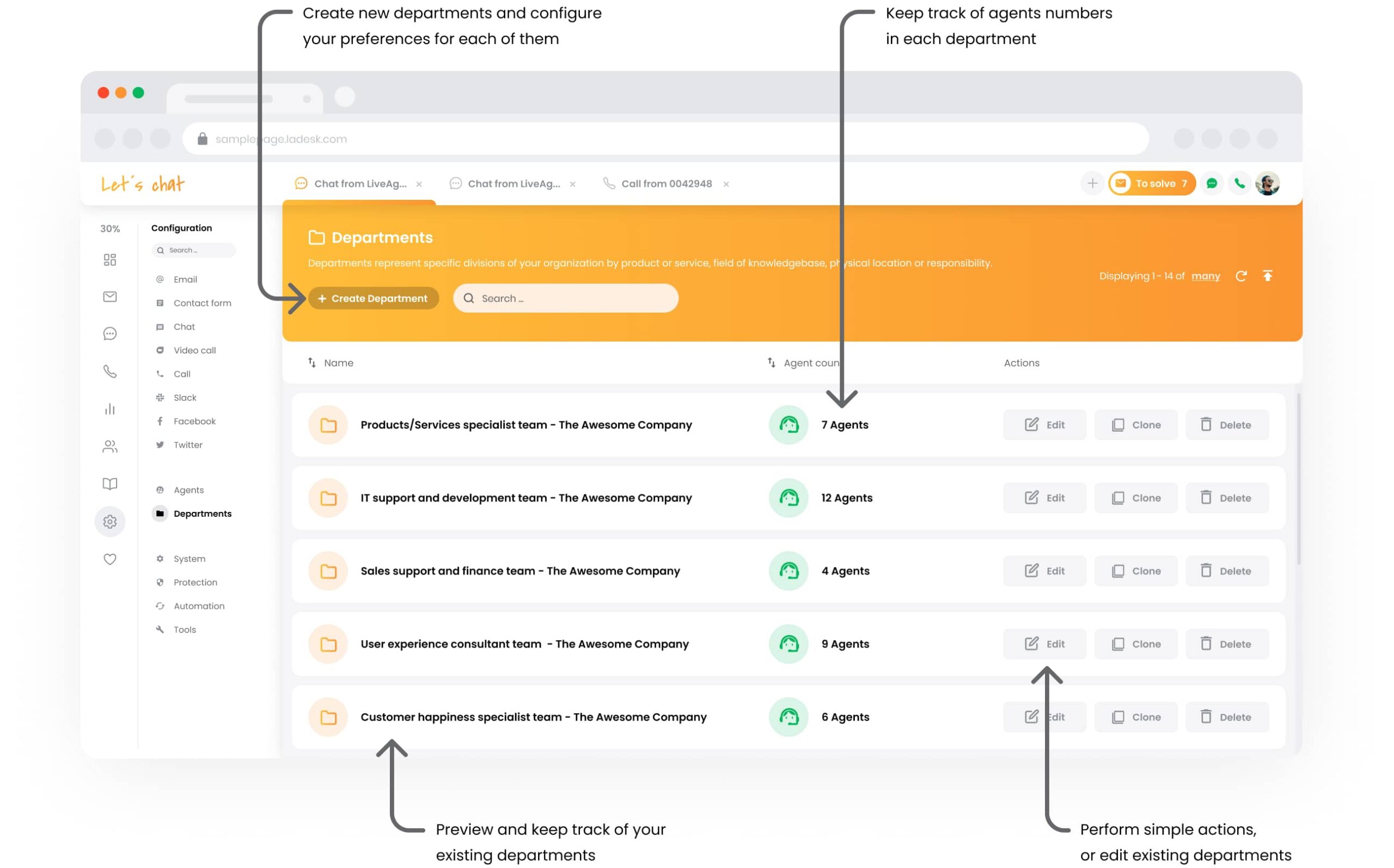
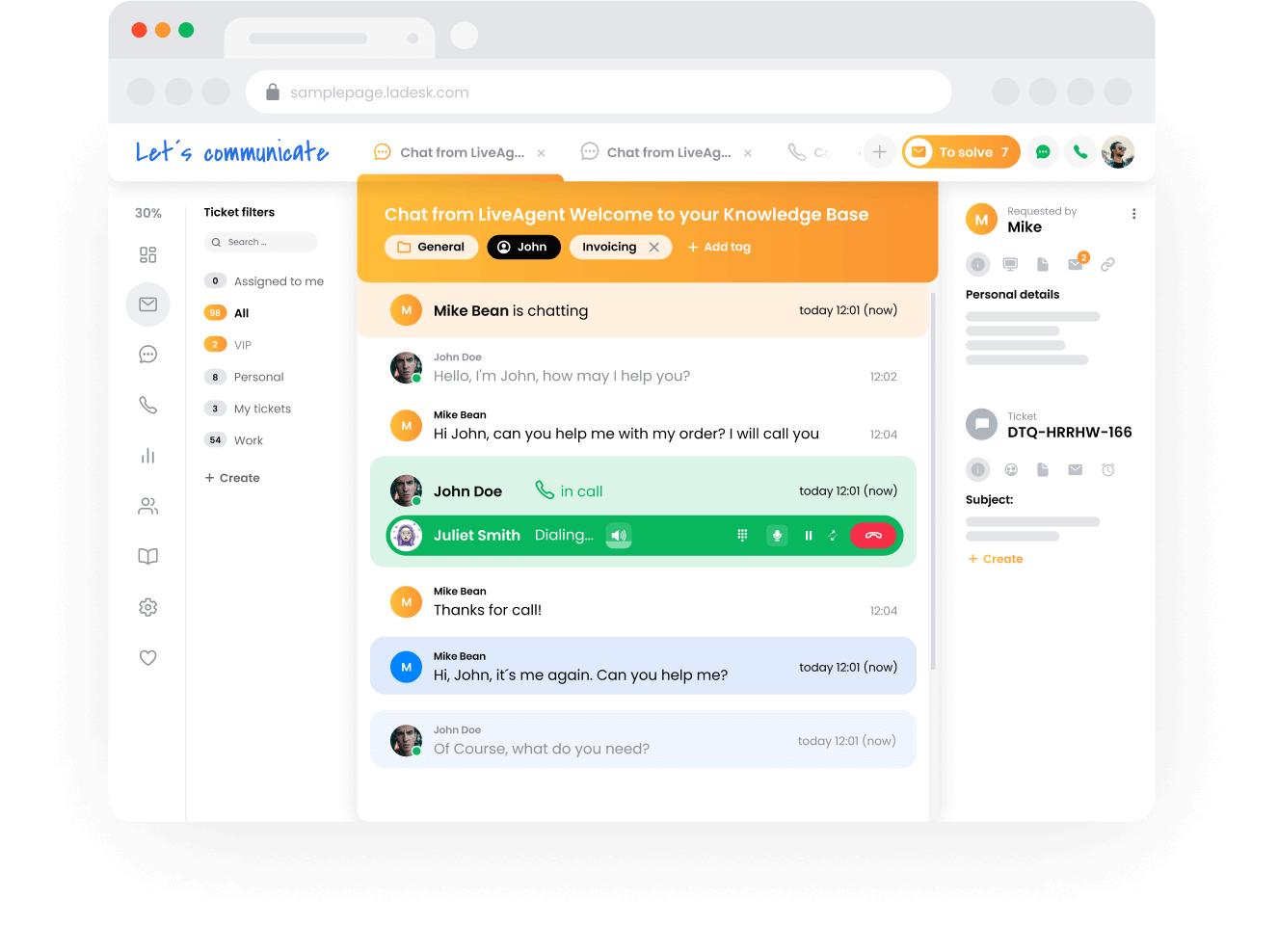
Using tools like LiveAgent can enhance these efforts. LiveAgent provides features for efficient customer interaction, helping teams deliver excellent service and keep customers happy.
By focusing on these goals, the customer service department becomes a cornerstone of business success.
How to build a customer service team
In this section, we’ll explore how to build a successful customer service team. This is essential for meeting customer expectations and boosting satisfaction. Consulting with experts can provide insights into structuring, training, and setting KPIs.
Building your team involves choices between hiring full-time employees or independent contractors. This approach offers flexibility and can be cost-effective.
Key steps to developing a strong team include:
Set Clear Expectations: Define company standards to guide recruitment and performance.
Emphasize Knowledge: Equip agents to provide accurate solutions and improve customer loyalty.
Invest in Training: Regularly update skills and technology use to adapt to changes.
Approach Comparison:
Approach
Pros
Cons
Full-Time Employees
Consistent, Reliable, Team cohesion
Higher Costs, More overhead
Independent Professionals
Flexible, Cost-effective, Quick scaling
Less Stability, Training overhead
For efficient customer service, consider using LiveAgent software. Its features streamline customer interaction, enhance resolution times, and support loyal customer relationships. By integrating LiveAgent, your team will be better equipped to deliver excellent customer service.
Organizing the team structure
Creating an effective customer service department involves understanding the roles and responsibilities of each team member. The structure usually includes frontline representatives, supervisors, managers, and executives. This hierarchy ensures smooth operations and addresses customer needs promptly. The size of your organization and customer volume influence how you organize this structure. For instance, a larger company might have more specialized roles compared to a smaller business.
Implementing technology and automation tools is crucial. These tools facilitate efficient handling of customer queries, reducing hold times and providing quicker solutions. Software like LiveAgent is incredibly useful as it streamlines processes and supports the team in maintaining high customer interaction standards.
A well-organized team also benefits from a cohesive work environment. Encourage recreational activities to strengthen relationships, boost morale, and promote well-being.
Roles and responsibilities
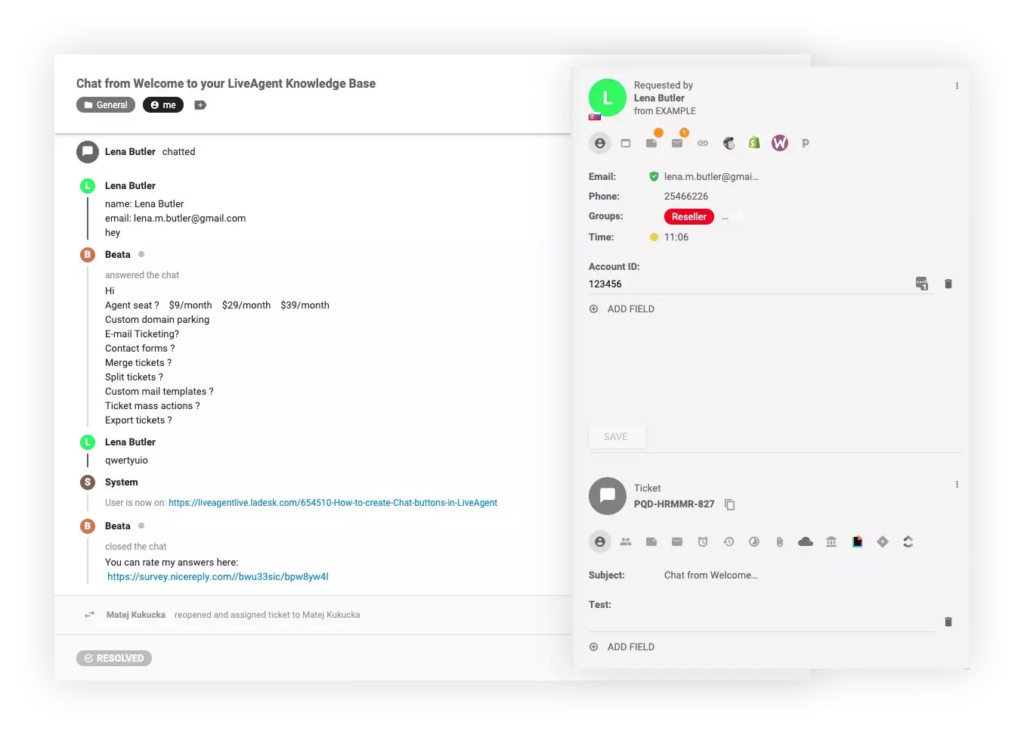
Each role in a customer service team has distinct duties. Frontline customer service representatives address questions, offer solutions, and resolve complaints. Their tasks might include troubleshooting technical issues and explaining product features. For example, a service agent using LiveAgent can easily access past interactions to better assist customers.
Customer support executives manage conflicts and handle more complex dissatisfaction cases. They must be skilled in conflict resolution to clarify misunderstandings. This might include scenarios where customers are confused about using a product. Active listening and empathy are key to understanding customer concerns.
Help desk support teams focus on resolving technical issues, backed by a deep product knowledge. They provide ongoing assistance, ensuring resolutions are prompt and effective. Managers lead the team, setting KPIs and ensuring that every team member is equipped to deliver excellent service. Their role is pivotal in fostering customer loyalty and gathering feedback for continuous improvement.
Team hierarchy
A typical customer service hierarchy consists of various key roles, ensuring every aspect of customer care is covered.
Role
Responsibilities
Customer service representatives
Handle direct customer interactions and solutions
Supervisors
Oversee daily operations and support representatives
Managers
Lead and strategize, set KPIs, and support team success
Executives
Develop long-term strategies and maintain high-level oversight
In addition, customer success managers, or client relationship managers, focus on nurturing customer relationships. They aim to enhance retention and ensure customer satisfaction. Customer support teams gather feedback, which is vital for refining service delivery and meeting customer expectations.
Organizing a customer service team effectively requires careful planning of roles and hierarchy. Combining skilled personnel with tools like LiveAgent ensures a seamless and superior customer experience, contributing to customer satisfaction and loyalty.
Hiring the right personnel
The hiring process should involve not only assessing candidates’ technical skills and experience but also their ability to communicate, empathize, and solve problems. This holistic approach ensures that you select individuals who can effectively engage with customers and foster long-term customer loyalty. Once hired, these individuals must undergo thorough training programs. These should cover the company’s products, services, customer service protocols, and communication techniques.
An ongoing training process is vital to keep customer service representatives updated on new products and policy changes. Additionally, companies may choose between hiring full-time employees or engaging independent professionals.
The latter offers the advantage of quicker team ramp-up and cost-effective capability expansions. Regardless of the chosen path, a customer service manager plays a critical role. They lead daily operations, set KPIs, and ensure team members have the resources needed to deliver excellent service.
Key skills and qualities
A customer care representative should demonstrate a helpful nature, friendliness, and empathy. Active listening and quick decision-making are also key skills that enhance their ability to handle customer interactions effectively. These representatives should embody the company’s core values, building meaningful relationships with customers and ensuring a positive experience.
Additionally, the willingness to learn is crucial. It empowers representatives to continuously improve their skills and adapt their communication methods. Remaining calm under pressure is also important, as it allows them to manage difficult interactions without becoming frustrated. Training should focus on progressively enhancing these skills; each builds on and complements the others to improve overall service delivery.
Interview techniques
Smart hiring decisions begin with a thorough screening process. This means looking for relevant characteristics, skills, and experience that define a high-quality applicant. During interviews, it’s crucial to identify specific traits like empathy and patience. These indicate a candidate’s ability to understand and manage customer differences effectively. Candidates with strong interpersonal skills enhance customer interactions, which is pivotal for successful service.
Communication skills are imperative. Candidates must be able to convey clear information whether through writing, phone, or in-person interactions. To enhance these skills, incorporate targeted training sessions for team members. This fosters a collaborative environment that is vital in addressing and resolving customer concerns promptly and professionally.
LiveAgent offers a comprehensive software solution that can aid in managing your customer service team effectively. With features like real-time chat, automated ticketing, and customer feedback management, LiveAgent helps streamline customer interactions. Utilizing such tools ensures efficient resolution times and boosts customer satisfaction scores, elevating your business goals to new heights.
Training and development
Building a successful customer service team requires training that blends product knowledge with essential soft skills. Customer service representatives (CSRs) should understand the ins and outs of the company’s offerings. This includes procedures, computer, and telephone usage. For specialized sectors like finance and insurance, this might mean months of training due to complex regulations.
Luckily, many self-development tools online can boost training without straining budgets. Let’s dive into how to effectively train your customer service teams for top-notch performance.
Ongoing training programs
To maintain a high level of service, customer service teams need continuous training and coaching. Regular updates ensure that CSRs are equipped with the latest information about new products, services, and company policy changes.
Training programs should cover:
Product Knowledge: An in-depth understanding of company offerings.
Customer Service Protocols: Standard procedures and best practices.
Effective Communication: This is key for providing clear and effective service.
Further, training sessions should touch on legal and regulatory compliance. This keeps staff informed on how to handle customer data and navigate complex legal landscapes.
Ongoing training not only improves performance but also keeps employees engaged. Regular feedback creates a culture of learning, leading to better customer interactions.
Fostering soft skills
Soft skills such as communication, empathy, and problem-solving are crucial for excellent customer service. CSRs need good listening skills and the ability to handle complaints effectively, using positive language to calm frustrated customers.
Here’s how to foster these skills:
Empathy and Communication: Regular workshops can increase understanding and clear expression.
Problem Solving: Challenge CSRs with real-world scenarios to build this skill.
Adaptability and Persuasion: Teach strategies for engaging with diverse customers and maintaining long-term relationships.
Continuous learning opportunities encourage employees to harness these skills, improving interactions and fostering satisfaction and loyalty.
Incorporating a comprehensive software like LiveAgent can greatly enhance your customer service strategy. LiveAgent offers excellent features such as ticketing, live chat, and call center solutions. These tools streamline customer interactions and help CSRs provide exceptional service.
Leveraging technology and tools
Building an excellent customer service team involves more than just hiring the right people. It also means equipping them with the best tools and technologies. Investing in the right tools, like CRM and help desk solutions, enhances service delivery. It helps manage inquiries more effectively and maintain high levels of customer satisfaction. By using these tools, businesses can also monitor progress against KPIs, providing a clear path to improve service quality continually.
Implementing customer service software and CRM
CRM software, such as Salesforce and Zoho, is key to better communication with customers. It allows teams to track customer interactions and personalize their communication efforts. This fosters collaboration across various departments, including marketing and sales.
Help desk software like Zendesk and LiveAgent organizes inquiries from different sources into a single system. This streamlines the ticketing process, making it easier to prioritize and resolve issues. A well-used ticketing system can improve response times and service quality, leading to higher customer satisfaction.
Additionally, bug reporting tools help customer service teams document technical issues efficiently. This means service representatives can address customer concerns faster and assist in product improvements. Learning Management Systems (LMS) also support the team by building effective training programs. They help monitor training progress, ensuring that customer service agents are well-prepared to handle inquiries.
By incorporating LiveAgent into your customer service strategy, you can enhance your team’s efficiency and customer satisfaction. LiveAgent offers a comprehensive suite of tools designed to meet customer expectations and keep loyal customers engaged.
Key features to evaluate in customer support tools
When choosing customer support tools, certain features can vastly improve the performance of your team.
Ticket management: Helps prioritize and organize customer inquiries. Solutions like Zendesk and Freshdesk are leaders in this space.
CRM integration: Tools like Salesforce and HubSpot help track and manage interactions, boosting service efficiency.
Internal notes and transfer feature: Solutions like LiveAgent allow team members to add internal notes to tickets, making it easier to transfer them between agents without losing context.
Gamification: Encourage teams by setting up game-like incentives for reaching performance goals. LiveAgent offers this to keep team motivation high.
Bug reporting: Keeping track of technical issues with bug reporting tools helps manage and resolve issues swiftly.
Learning management systems (LMS): Essential for creating tailored training programs that address new or persistent knowledge gaps.
Feature Comparison:
Feature
Examples/Tools
Benefits
Ticket Management
Zendesk, LiveAgent
Prioritizes and organizes inquiries
CRM Integration
LiveAgent, HubSpot
Enhances interaction tracking and responsiveness
Internal Notes & Transfer
LiveAgent
Easier ticket handling across team members
Gamification
LiveAgent
Boosts motivation and performance
Bug Reporting
Various
Tracks technical issues efficiently
Learning Management Systems
Various LMS platforms
Tailors training programs for skill development
Creating a culture of collaboration
Creating a culture of collaboration within your customer service team not only elevates employee satisfaction but also boosts the quality of customer interactions. When teams work well together, they are better equipped to meet customer expectations and tackle complex issues, leading to excellent customer service and increased customer loyalty. In this section, we’ll explore how fostering teamwork through collaboration can transform customer service teams.
Encouraging team feedback
Instill a culture of continuous feedback in your customer service department to refine processes and boost service delivery. Begin by encouraging agents to share insights and suggestions. Facilitate feedback sessions regularly, as both customer and team feedback are essential for improvement.
Consider using anonymous surveys to collect honest responses from your team. Anonymity helps in obtaining clearer perspectives on the team’s strengths and areas that need attention. For example, using digital platforms for feedback collection can streamline the process and encourage candid participation.
A blend of customer feedback, also known as the voice of customer (VoC), helps identify service flaws and prioritize projects. This feedback is invaluable in improving customer retention and revenue. Collaborate with marketing to analyze this feedback, providing a holistic view of the customer service landscape.
Fostering open communication
Open communication is the backbone of an effective customer service team. Regular meetings, whether virtual or in-person, provide avenues to share success stories and learn from challenges faced. These sessions are vital for fostering a culture of teamwork and openness.
Ensuring consistency in language used by customer service agents strengthens brand integrity and enhances interaction with customers. Empower customer service representatives by involving them in discussions around policies. This approach enables them to engage more effectively with customers, making them feel supported and understood.
Anticipate customer needs by framing responses positively, which improves customer perceptions and communication. Additionally, offering multiple communication channels like phone, chat, and social media allows customers to share their concerns freely, promoting an open dialogue.
Building a culture of collaboration is not an overnight task. It requires continuous effort and engagement across all levels. Using customer support tools like LiveAgent can streamline communication, gather feedback efficiently, and facilitate collaboration. With features such as ticketing, live chat, and automated workflows, LiveAgent helps your team deliver a positive customer experience consistently.
Establishing clear processes
Creating a customer service team requires a solid plan. You need to lay down clear processes to guide your team. This helps prevent confusion and keeps everyone on the same page. Start by regularly reviewing and updating customer care scripts. This ensures that your team uses the most current information and avoids spreading outdated guidance.
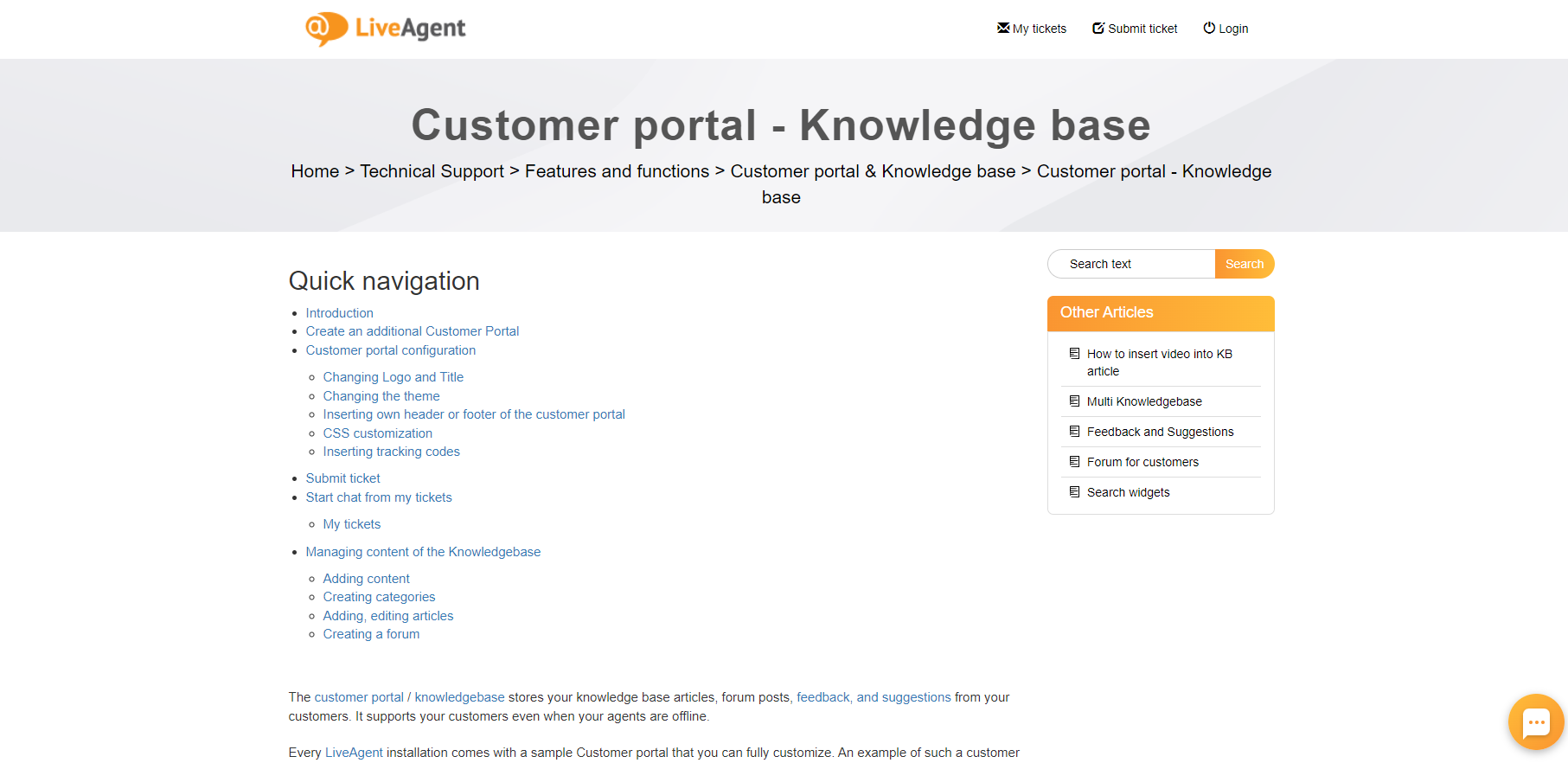
A customer service playbook or knowledge base can be vital. It helps new team members ramp up quickly by offering them access to critical policies, processes, and examples of how to solve common issues.
Additionally, empower your customer service agents with tools that improve their service delivery. These tools should meet current customer expectations and help monitor progress toward key performance indicators (KPIs).
A practical resource for agents is a compilation of frequently asked questions (FAQs) and challenging scenarios. This boosts their confidence and effectiveness in tackling customer inquiries.
Invest in effective communication strategies. They are crucial for dealing with both simple and complex customer questions. Encourage clear and concise communication to make sure every customer interaction is positive and fruitful.
Standard operating procedures (SOPs)
Standard Operating Procedures (SOPs) are a key part of any customer support system. Well-crafted customer support scripts serve as SOPs. They provide context and reduce errors in service delivery. SOPs ensure your team delivers excellent customer service by adhering to consistent messaging. This builds trust and offers a seamless experience for customers.
SOPs also improve call resolution times. They guide agents to provide accurate responses efficiently. Integrating SOPs with technology like AI-driven chatbots can further enhance self-service experiences for customers, making interactions feel more personal and timely.
Moreover, a well-defined SOP framework lessens the time it takes new agents to become proficient. This means they can handle customer interactions effectively from the start.
Workflow management
Effective workflow management is crucial for customer service departments. It ensures information flows freely, facilitating comprehensive solutions and improving response times. Regular training and a robust knowledge management system help support teams adapt to customer needs and maintain high service standards.
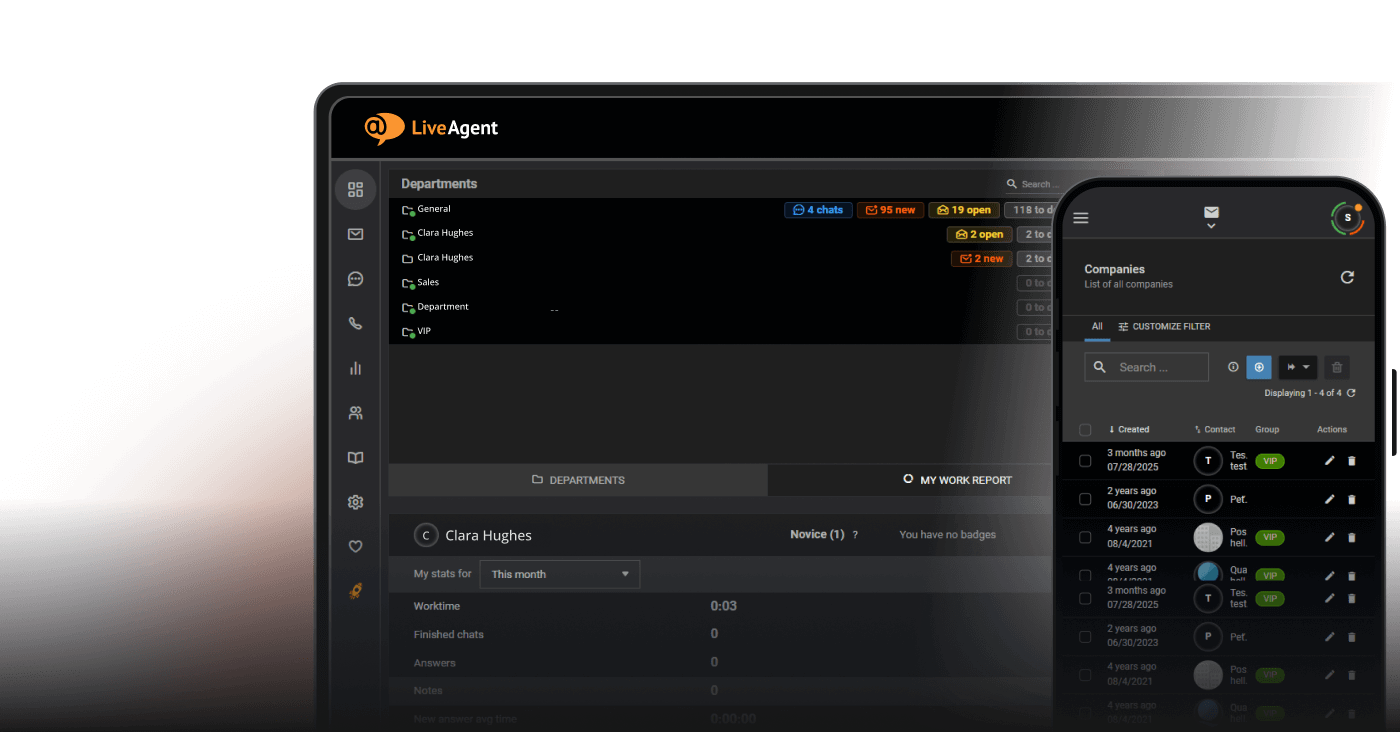
Customer Relationship Management (CRM) tools are also vital. They help customer service representatives provide personalized communication and easily collaborate with other departments. LiveAgent offers a help desk software that streamlines ticket management from various sources, allowing for customization and cooperation among team members.
By using web self-service applications and chatbots, customers can access necessary information outside normal business hours. This not only boosts customer satisfaction but also reduces operational costs. LiveAgent can assist here by integrating these solutions, providing excellent customer service 24/7.
Building a customer service team requires well-defined processes, effective SOPs, and efficient workflow management. Tools like LiveAgent can assist in each area, ensuring your team delivers an excellent customer experience.
Measuring team performance
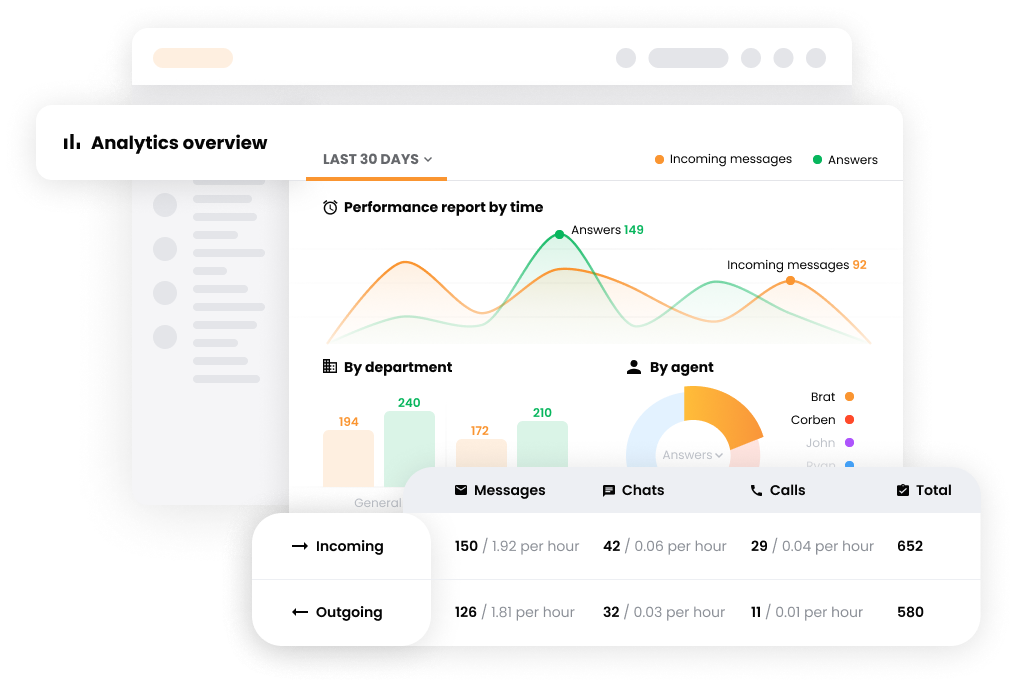
Building a successful customer service team requires not just hiring the right people, but also measuring their performance. You need to have clear metrics to see how well your team is meeting customer expectations. Utilizing intuitive team dashboards and customizable reports is the key. These tools help you monitor productivity and performance effectively.
Tracking vital customer service metrics allows teams to align their efforts with delivering exceptional customer service. Some of these metrics include CSAT scores, Net Promoter Score (NPS), Customer Effort Score (CES), and First Contact Resolution (FCR). These KPIs play a crucial role in assessing customer satisfaction and service efficiency.
Encourage a culture of continuous feedback within your team. This helps identify areas for improvement in service delivery and overall performance. Regularly reviewing KPIs lets you adjust your approach to customer support as industry standards evolve.
Key Performance Indicators (KPIs)
Key Performance Indicators are like guideposts to tell you whether your team is on track. Some essential KPIs to keep an eye on include:
Customer Satisfaction (CSAT) Scores: Shows how happy customers are with their interactions.
Net Promoter Score (NPS): Measures the likelihood of customers recommending your service.
Customer Effort Score (CES): Assesses how easy it is for customers to get their issues resolved.
First Contact Resolution (FCR): Evaluates how effective your team is at solving issues on the first try.
Setting measurable KPIs during onboarding sets clear objectives. This clarity translates to better team performance and higher employee engagement.
Customer feedback and surveys
Customer feedback is the lifeline for improvement. It’s crucial to gather actionable feedback, as it helps uncover hidden issues within products and services. Here’s how to make that process effective:
Provide feedback opportunities: Let employees and customers rate their service experiences.
Anonymity enhances honesty: Anonymous feedback is generally more sincere and helpful.
Regularly conduct surveys: Use surveys or focus groups to gather customer opinions on service quality.
Invest in Voice of Customer (VoC) tools: These tools can significantly improve customer retention and boost revenue by enhancing the customer experience.
Engaging with customers through feedback empowers your team to prioritize improvements from the customer’s perspective.
To ensure your customer service team thrives, consider using LiveAgent. Its comprehensive set of features, including customizable dashboards and performance analytics, will help your team track their progress and improve customer interactions systematically. Keep your customers happy with LiveAgent, and turn them into loyal advocates for your brand!
Conclusion
In conclusion, building a successful customer service team is crucial for any business aiming for growth and customer loyalty. By meticulously planning and embracing technology, companies can adapt to ever-evolving customer expectations. Consistently improving customer interactions leads to enhanced customer satisfaction, loyalty, and a strong brand reputation.
Investing in a trained customer care team results in reduced churn and higher referrals. These positive effects ultimately contribute to the organization’s bottom line by increasing customer lifetime value. To create such an impact, focus on developing key customer service skills, like active listening and problem-solving.
Leverage tools like LiveAgent to streamline your customer support operations. LiveAgent offers features such as ticket management, real-time chat, and knowledge base integration, which can significantly improve resolution times and customer satisfaction scores. By trying its 30-day free trial, you can experience firsthand how it empowers your customer service department to meet business goals and create happy customers.
Ready to Build Your Dream Customer Service Team?
Start your free trial with LiveAgent and equip your team with powerful customer service tools to deliver exceptional support.
Lucia is a talented WordPress content editor who ensures the seamless publication of content across multiple platforms.
Lucia Halašková
WordPress Content Editor
Frequently asked questions
What are the key roles in a customer service team?
A typical customer service team includes customer service representatives (frontline support), supervisors (daily operations oversight), managers (strategy and KPIs), and executives (long-term planning). Some teams also include customer success managers and help desk specialists depending on company size and needs.
What skills should customer service representatives have?
Essential skills include active listening, empathy, patience, problem-solving, communication (written and verbal), quick decision-making, ability to remain calm under pressure, and willingness to learn. These soft skills are often more important than technical knowledge, which can be trained.
How often should customer service teams receive training?
Ongoing training is essential. Teams should receive regular updates on new products, services, and policy changes. Many companies implement monthly or quarterly training sessions, with additional specialized training for complex topics like compliance or new software tools.
What are the most important KPIs for customer service teams?
Key Performance Indicators include Customer Satisfaction (CSAT) scores, Net Promoter Score (NPS), Customer Effort Score (CES), First Contact Resolution (FCR), average response time, and customer lifetime value. These metrics help measure team performance and identify improvement areas.
Should we hire full-time employees or independent contractors for customer service?
Both approaches have benefits. Full-time employees provide consistency and stability but have higher costs. Independent contractors offer flexibility and cost-effectiveness but may lack stability. Many companies use a hybrid approach, combining full-time core staff with contractors for overflow support.
Customer service processes (steps & practical examples)
Learn how to create effective customer service processes with 5 steps: define objectives, establish roles, map the customer journey, select tools, and implement...
14 min read
Customer Service Processes - Steps & Practical Examples
Discover the importance of front line support in shaping brand image, boosting sales, and enhancing customer satisfaction. Learn key characteristics and best pr...
4 min read
Customer support
Helpdesk
+1
You will be in Good Hands!
Join our community of happy clients and provide excellent customer support with LiveAgent.