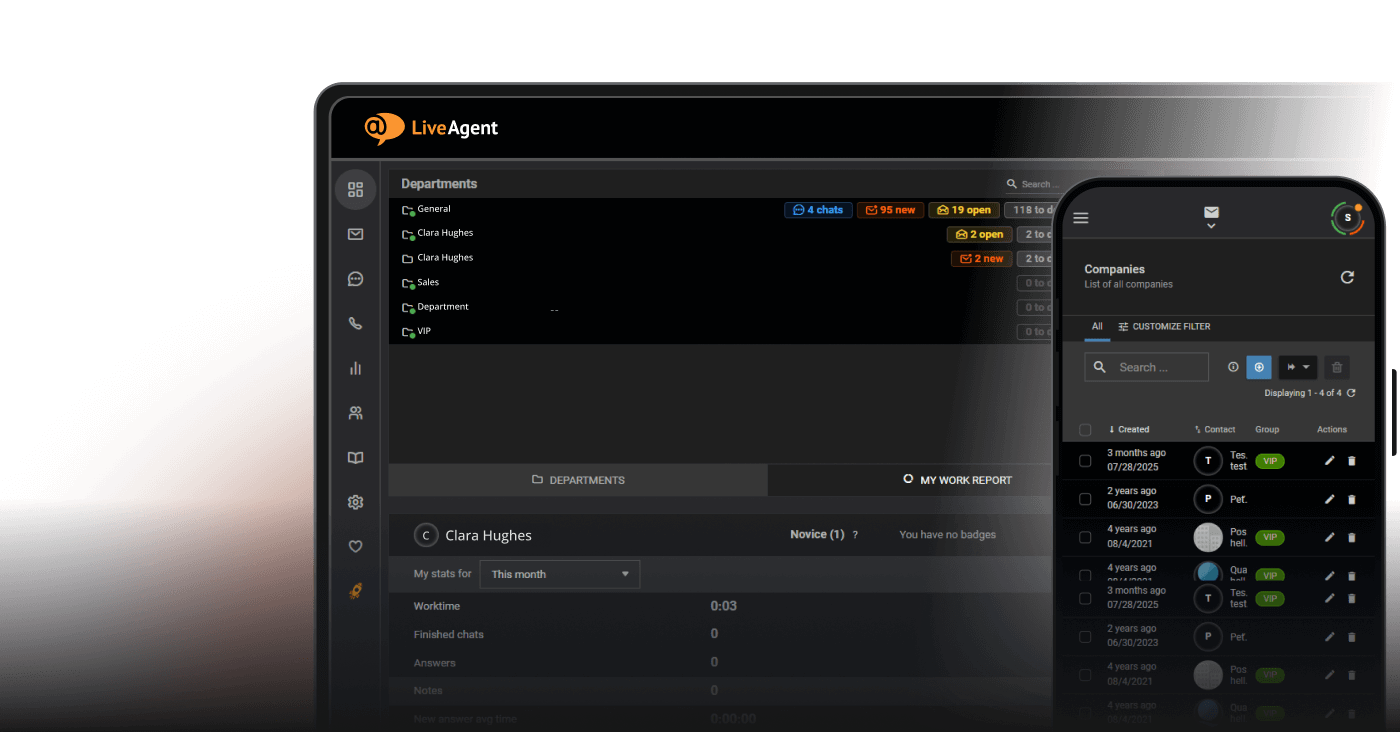


Customer Care
Discover how exceptional customer care builds loyalty, emotional connections, and brand trust. Learn strategies, benefits, and best practices now!
11 min read
Customer Support
Customer Care
+2

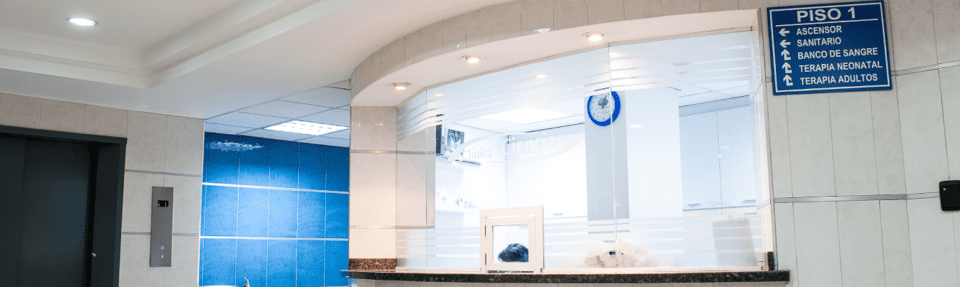
Learn how to deliver exceptional customer service in healthcare with clear communication, empathy, and technology solutions.
In an era where patient-centric care is paramount, the significance of customer service in healthcare cannot be overstated. With rising healthcare costs and increasing expectations, patients today demand more from their healthcare experiences than ever before.
As healthcare evolves, understanding the complexities of effective customer service—from empathy in patient interactions to timely responses—becomes essential. The integration of technology and systems, such as LiveAgent, can streamline these interactions and foster an environment of satisfaction and loyalty among patients.
This article will explore the critical aspects of customer service in the healthcare sector, discuss its impact on providers, and analyze various strategies to enhance patient experiences.
Customer service in healthcare is vital to the patient’s overall experience and treatment perception. It sets the tone for the quality of care patients expect to receive. Positive interactions increase patient satisfaction and loyalty. Happy patients are more likely to return and recommend the facility to others.
In healthcare, 82% of patients say customer service is crucial for their loyalty to a provider. Even exceptional medical care can be overlooked if customer service is poor. Therefore, effective communication shapes how patients engage with their healthcare providers, directly affecting health outcomes.
A healthcare provider’s ability to build long-term relationships with patients depends on exceptional customer service. This includes offering clear explanations of treatment options and responding promptly to phone calls. Moreover, healthcare professionals must handle patient feedback with care, enhancing the journey.
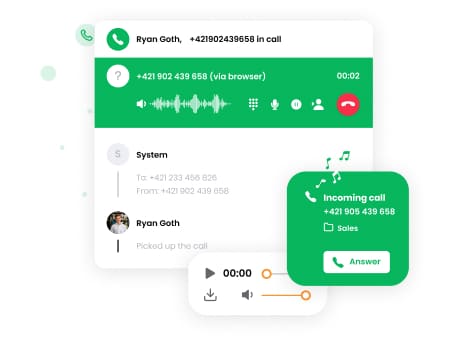
Examples include a warm greeting at the reception, the clarity of medical records, and a helpful response during a phone call. LiveAgent, known for its excellence in customer support solutions, could be an invaluable tool. It offers a comprehensive system to manage all aspects of patient communication, ensuring a positive experience throughout the healthcare journey.
Effective communication is the backbone of excellent customer service in healthcare. It ensures that patients feel heard and well-informed about their health. Active listening plays a key role in this process. Healthcare providers must concentrate on understanding, responding, and remembering what patients say. This deepens the connection and helps address their concerns accurately.
Patient-centered communication involves tailoring interactions to each individual’s personality and medical history. Avoid using medical jargon, and instead, explain complex concepts in simple terms. This clarity reduces confusion and anxiety, helping patients confidently navigate their treatment plans.
For instance, a nurse who listens actively and explains treatment options clearly can significantly improve patient satisfaction and treatment outcomes. By incorporating empathy and effective communication, patient interactions become more personalized and trusting.
Key elements of effective communication in healthcare:
Empathy is crucial in healthcare. It involves genuinely understanding and acknowledging patients’ emotions, making them feel respected and cared for. Studies show that empathy not only enhances patient experiences but also promotes better treatment compliance and clinical outcomes.
Healthcare providers can increase empathy by adopting patient-centered care approaches. This means considering each patient’s unique concerns and preferences during care delivery. Regular training on communication and empathy can strengthen customer service skills across healthcare organizations, leading to improved patient care.
Combining empathy with clear communication reduces patient confusion and anxiety. This compassionate approach creates a supportive environment, ensuring that patients feel valued throughout their healthcare journey.
Efficient workflows help minimize patient wait times, especially during scheduling and check-ins. Effective appointment management, including timely reminders and clear policies for cancellations, is essential for providing prompt care.
Maintaining access to comprehensive patient records aids in efficient service delivery. This ensures that healthcare providers have all the necessary information during each appointment, optimizing quality and speed.
Respecting patient privacy and dignity is also vital in this process. By coordinating multiple interactions seamlessly and ensuring clear follow-up communication, healthcare providers can maintain continuity of care. This builds trust, directly impacting patient loyalty and their overall healthcare experience.
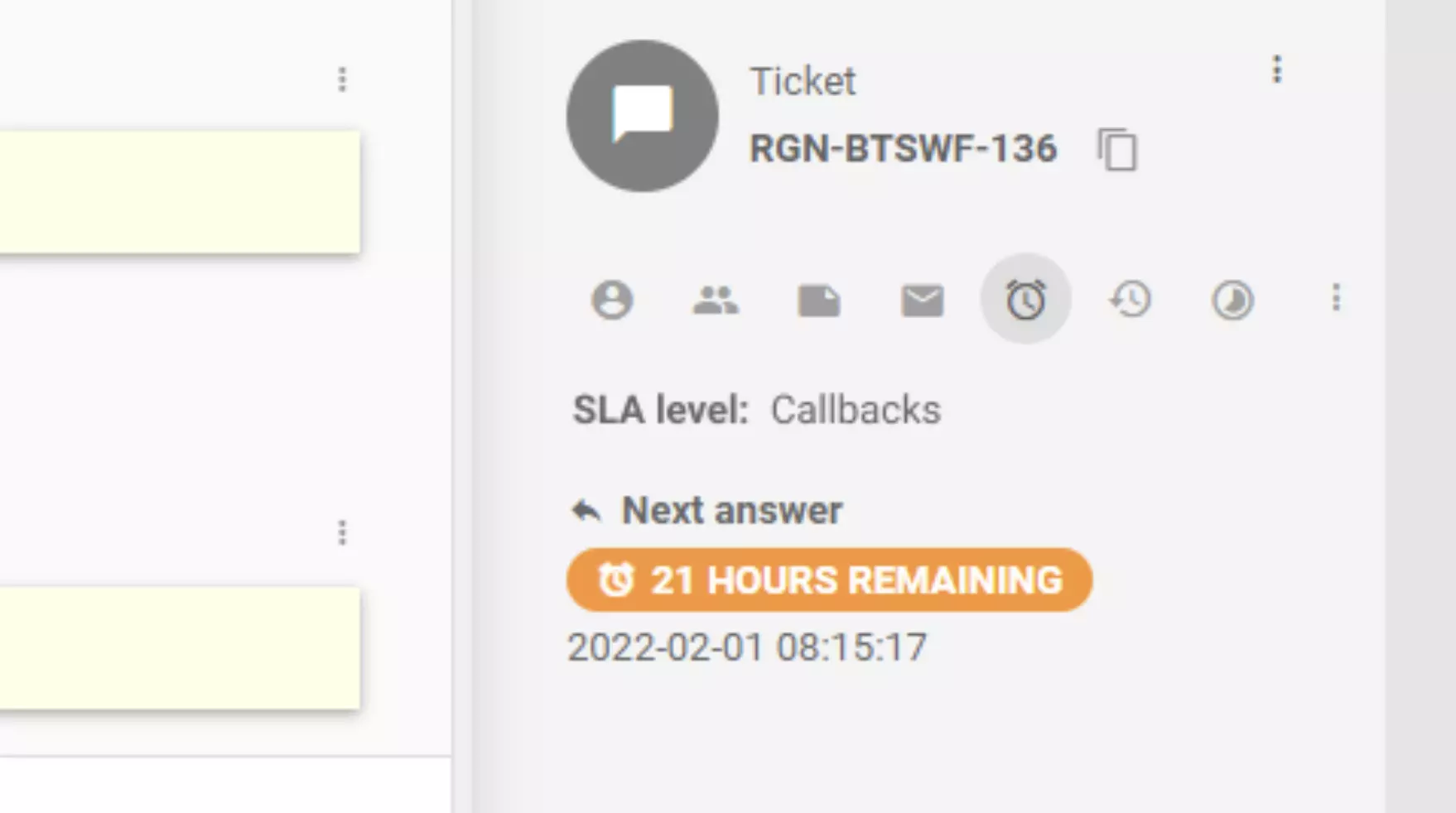
A tool like LiveAgent can enhance service delivery by streamlining patient communication and coordination. With powerful features, LiveAgent ensures that interactions are managed professionally and swiftly, enhancing the patient journey from start to finish.
Customer service in healthcare significantly shapes patient experiences. It affects how patients view the quality of care they receive, sometimes more than the medical services themselves. Training healthcare staff in customer service is key. It boosts skills needed for exceptional service, fostering patient loyalty.
Positive customer service interactions lead to higher patient satisfaction. Satisfied patients are more likely to return and recommend the facility, enhancing the organization’s business performance. Healthcare companies can improve service by refining referral and transfer processes.
This ensures patients feel valued beyond just one encounter. Collecting patient feedback is crucial. It helps identify areas for improvement, refining the healthcare customer service journey.
Poor customer service can severely damage a healthcare provider’s reputation. Dissatisfied patients may share negative experiences online, deterring potential clients. This can result in financial losses for the organization. Therefore, excellent customer service is vital to maintaining a positive reputation. It ensures patient satisfaction and builds trust.
To recover from negative impressions, healthcare providers should address complaints promptly. Apologizing sincerely and implementing changes based on feedback are effective strategies. This proactive approach helps prevent similar issues in the future.
Customer service is a major factor in patient loyalty, with 82% of patients considering it crucial. It affects how patients perceive care and influences their engagement with healthcare, ultimately impacting their health outcomes. Loyal patients are vital to a successful healthcare institution. Exceptional customer service fosters trust, encouraging them to return for future care.
Satisfied patients often recommend healthcare facilities to family and friends. This word-of-mouth referral is invaluable for expanding the institution’s reach. Continuity of care, supported by strong customer service, builds revenue for hospitals. It also establishes bonds with patients, contributing to healthier lives.
An efficient way for healthcare providers to ensure superb customer service is through the use of LiveAgent. It manages patient inquiries, collects feedback, and facilitates efficient communication. This ensures every patient interaction is positive, encouraging long-term relationships and enhancing overall satisfaction.
Patients now look for more than just excellent medical care; they desire a holistic and compassionate experience. They expect healthcare companies to care for their individual needs during every interaction.
Building long-term relationships is essential. For this, offering quality care in a safe and comfortable setting is key. Being attended to by empathetic staff also plays a crucial role in this dynamic. With the shift to patient-centered care, every healthcare worker is vital in ensuring positive customer service experiences.
In today’s fast-paced world, patients expect their healthcare experience to align closely with retail services. They demand not only excellent medical care but also convenience and personalized attention. Patients want their unique concerns and care goals to be addressed aptly.
Empathy becomes a critical element here, as it enhances patient outcomes and compliance with treatment plans. For healthcare professionals, continuous training in communication and empathy is essential. Such efforts refine their customer service skills, leading to improved patient satisfaction.
Gathering feedback is equally important. It helps healthcare providers pinpoint areas needing improvement and shows their commitment to stellar service.
Today’s patients crave personalized health experiences more than ever. As high as 75% of patients express a desire for more personalized care. This trend underscores how vital individualized attention is. Notably, 44% of patients prefer doctors who show empathy.
Their favorable interactions with healthcare professionals can significantly impact patient satisfaction. Simple gestures, like addressing patients by their first names, underscore the value placed on their care. Additionally, effective communication, such as regular updates and addressing queries, is essential for enhancing patient experiences.
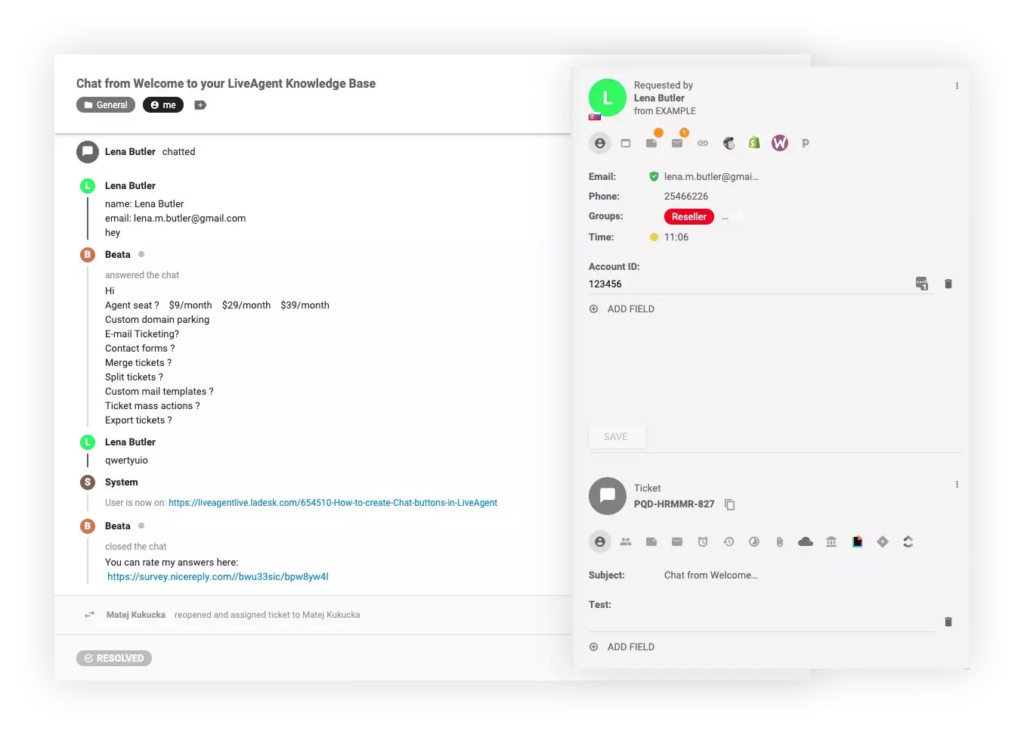
Healthcare organizations are increasingly utilizing Customer Relationship Management (CRM) systems. These systems streamline operations to focus more on individual needs. This personalized approach has led to higher patient satisfaction rates. By embracing these modern expectations, healthcare providers are better equipped to meet patient needs and foster positive experiences.
LiveAgent is among the best options for delivering superior customer service in healthcare. Its CRM capabilities and seamless communication tools help in offering personalized care. It ensures that patient interactions are smooth, leading to positive healthcare journeys.
Customer service in healthcare is crucial for ensuring positive patient experiences. It involves understanding patients’ needs and providing care that exceeds expectations.
Managing patient expectations and providing compassionate communication help overcome customer service challenges. It’s crucial for building long-term relationships with patients.
Digitizing workflows, such as implementing electronic medical records, boosts service efficiency and patient satisfaction. Respecting patient privacy and engaging them in care decisions maintain dignity and satisfaction. Therefore, healthcare providers must adopt a patient-centered approach.
Electronic Health Records (EHRs) are transforming patient care. Most healthcare organizations use EHRs to meticulously document medical history and patient notes. This digitization enhances the overall patient experience. Immediate access to patient information enhances care coordination. Moreover, it prevents patients from the hassle of repeatedly filling out their history.
EHRs also improve patient outcomes. They provide increased convenience and accessibility of medical information. Additionally, they streamline workflows, reducing administrative burdens and the chance for error. For healthcare organizations wanting to improve customer service and efficiency, adopting an EHR system is recommended.
Patient portals open new doors to healthcare accessibility. They provide secure digital access to medical records. This allows patients to view their health data whenever they want. Through these portals, patients can manage their healthcare journey more effectively. They can request prescription refills, pay bills, and schedule appointments.
Top-rated portals like MyChart and AthenaCommunicator integrate seamlessly with electronic medical records. They offer customizable features to fit individual health systems. These portals prioritize user-friendliness, making navigation easy for patients while ensuring security and privacy. Features like chat options with healthcare providers increase patient engagement and satisfaction. They are a step towards a more patient-centered healthcare industry.
Feedback helps in understanding what works and what needs improvement. Auto-triggered feedback forms allow patients to rate their experience. Metrics like Customer Satisfaction (CSAT) survey scores are insightful tools for healthcare providers.
Proactively following up with patients demonstrates genuine care for their health and experience. The Hospital Assessment of Healthcare Providers and Systems (HCAHPS) surveys emphasize communication skills and patient demographics. This real-time feedback is invaluable. Moreover, using phone software to gather feedback acts as a diagnostic tool. It helps enhance patient care by addressing their specific needs.

Consider LiveAgent as an excellent option for healthcare customer service. It integrates patient feedback and automates workflows for better service efficiency. Its robust features make it an essential tool for healthcare providers aiming to elevate the patient care experience.
Customer service in healthcare is unique. Patients are not just customers; they seek care during times of vulnerability. Providing excellent customer service is crucial because it affects patient outcomes, patient satisfaction, and the reputation of healthcare providers. Unlike general customer service programs, training in healthcare must address the complexities of patient interactions and medical care.
Ongoing education is essential in the healthcare industry. Regular training sessions keep healthcare professionals updated on industry standards. These sessions emphasize empathy and patient-centered care, which are critical for improving patient experiences. Empathy and clear communication are foundational skills for excellent service, leading to better patient satisfaction and long-term relationships with patients.
Investing in continuous staff education enhances communication abilities, making interactions more effective. This results in better patient feedback and improved patient outcomes. Training programs should incorporate feedback from both patients and colleagues. This helps identify areas for improvement, ensuring that the staff provides exceptional customer service.
Role-playing is a powerful tool in healthcare customer service training. It allows employees to practice their communication skills in a controlled environment. By simulating real-life scenarios, healthcare staff can develop effective ways to manage various situations, including difficult conversations with patients and their families.
Role-playing exercises include:
Online simulations are also useful for training staff across different locations. These exercises make training actionable and relevant, enabling employees to apply new skills in their daily duties. Through immediate feedback, role-playing identifies areas for further development, fostering a mindset of continuous improvement.
For healthcare facilities looking to enhance their customer service, LiveAgent offers a robust solution. LiveAgent helps manage patient inquiries, phone calls, and live chats. This tool ensures effective communication and a positive experience for patients throughout their healthcare journey. By integrating LiveAgent, healthcare companies can improve their customer service efforts, resulting in better patient satisfaction and outcomes.
Technology is transforming the landscape of customer service in healthcare. By streamlining communication and workflow, technology ensures that patients receive timely and personalized care. One key advancement is the use of electronic health records (EHRs). EHRs provide healthcare providers with instant access to patient information, enhancing care coordination and outcomes without requiring extra effort. This transformation allows for a seamless healthcare journey for patients.
Moreover, telehealth services have come to the forefront, facilitating improved patient engagement. Through secure video consultations, healthcare providers can connect with patients remotely while maintaining HIPAA compliance. The digitization and automation of workflows noticeably improve efficiency, making the patient experience smoother for both patients and staff. Collecting real-time patient feedback through surveys enables healthcare organizations to identify and resolve service performance issues promptly, ultimately enhancing patient care.
Effective customer service software is essential for healthcare providers aiming to deliver excellent service. Software like LiveAgent’s shared inbox system can categorize emails into Unassigned, Open, and Closed. This feature helps team members track the status of every patient query with ease. By allowing staff to leave notes directly within email threads, these tools streamline internal communication, leading to swift collaboration.
Help desk software is also crucial in unifying patient interactions across various channels, improving efficiency and reducing response times to inquiries. By automating repetitive tasks, healthcare providers can ensure consistent patient care, boosting overall satisfaction and organizational performance.
AI is revolutionizing patient interactions in healthcare by automating around 73% of administrative tasks. This automation streamlines the patient experience significantly. Advanced help desk software enhanced by AI efficiently routes patient inquiries, ensuring timely and accurate responses. Furthermore, CRM systems in healthcare harness AI to deliver personalized treatments and improve customer experiences through targeted campaigns.
The use of CRM systems is projected to grow substantially, from $7.3 billion to $28.89 billion by 2026. This growth indicates the industry’s shift towards data-driven patient interactions. Real-time collection of patient experience data through surveys is invaluable, as it allows healthcare providers to pinpoint improvement areas and ensure better patient outcomes.
Healthcare CRM software is vital for enhancing patient experiences through tailored communication. These systems integrate various data sources, like finances, demographics, and clinical data, to offer a comprehensive view of patients. Through effective pre-treatment and post-treatment communication, healthcare CRMs improve patient management immensely.
Implementing a healthcare CRM significantly boosts customer support by meeting demands for personalized healthcare services. Notably, CRM systems help reduce wait times by enhancing appointment management and patient communication. This improvement directly translates to better patient satisfaction and more efficient healthcare delivery.
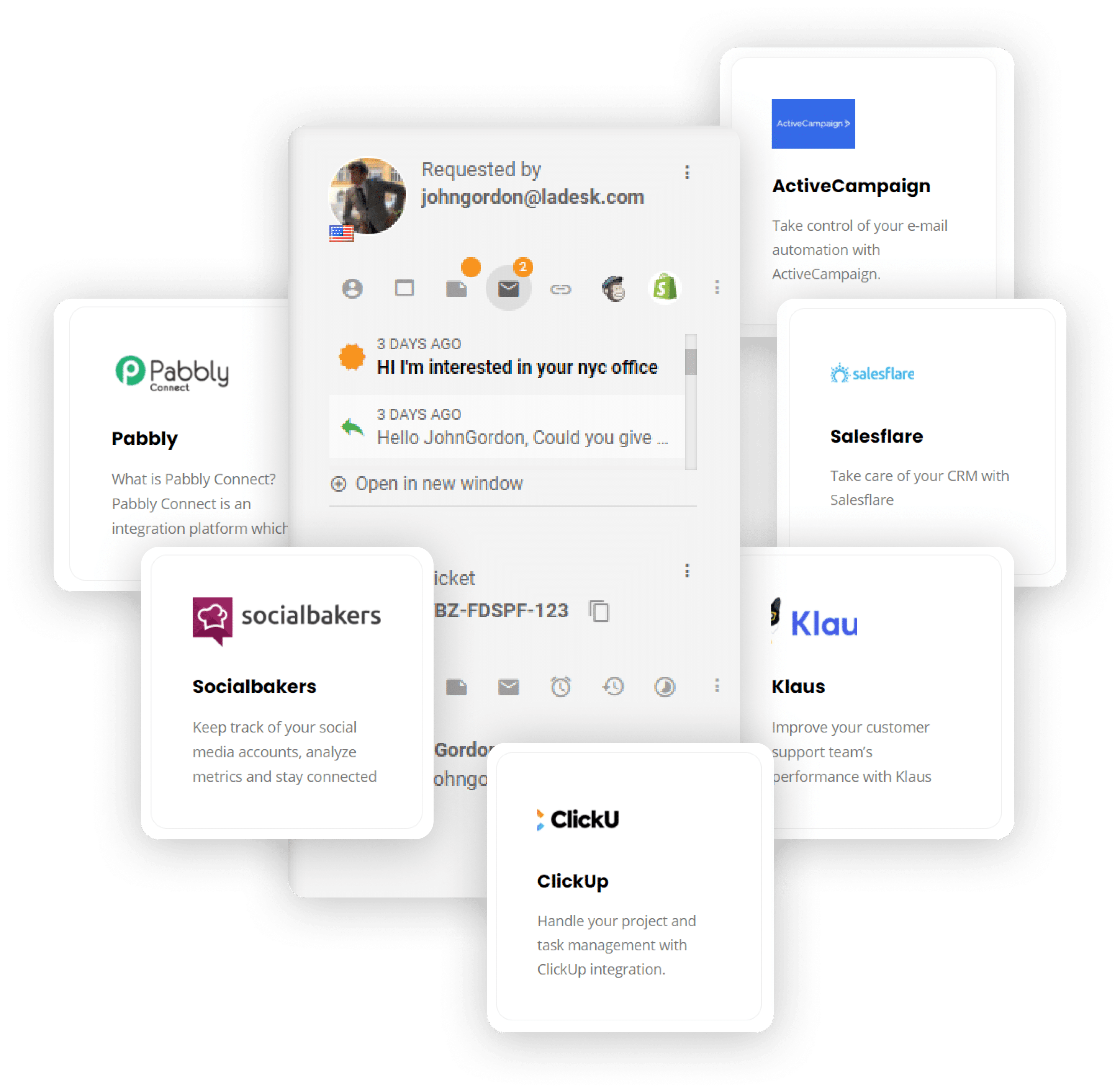
In this dynamic healthcare environment, LiveAgent emerges as the best option for customer service. It enhances communication, streamlines operations, and ensures that healthcare providers deliver exceptional services efficiently. By integrating LiveAgent, healthcare facilities can ensure a superior patient experience, ultimately leading to better patient outcomes and satisfaction.
Excellent customer service in healthcare starts the moment patients walk through the door. Front-of-house staff greet them and set the tone for their visit. Maintaining promises, like updating treatment plans on time, is vital for trust. Listening to patient feedback and responding to complaints shows that their concerns matter.
A practical example is using Electronic Health Records (EHRs). EHRs allow healthcare providers easy access to patient records, improving coordination and outcomes. Tailored training activities, such as online role-playing or interactive workshops, hone the communication skills of healthcare professionals. This training translates to better patient interactions and contributes to a more positive experience.
| Customer Service Aspect | Example |
|---|---|
| Greeting Patients | Friendly front-desk staff creating a welcoming atmosphere |
| Fulfilling Promises | Timely updates on treatment plans |
| Listening to Feedback | Addressing complaints swiftly |
| Utilizing Technology | Implementing Electronic Health Records |
| Enhancing Communication Skills | Role-playing and workshops for staff |
These examples showcase how customer service in healthcare can enhance patient satisfaction and outcomes.
Research highlights that a patient’s perception of their care directly affects their engagement and overall wellbeing. Impressively, 82% of patients consider customer service the most important factor for loyalty to healthcare providers. This underscores its role in patient retention and continuity of care. Additionally, about 90% of patients refer to online reviews when evaluating healthcare providers. Thus, exceptional customer service can draw new patients and improve a facility’s reputation.
Modern healthcare advancements have amplified the demand for exceptional service, prompting medical organizations to adopt Customer Relationship Management (CRM) systems. These systems enhance patient satisfaction by ensuring efficient processes and clear communication. Furthermore, warm and respectful treatment paired with empathetic care fosters loyalty. Training staff on the importance of customer service, including aspects such as follow-up care, helps reinforce commitment to patient wellbeing.
A holistic view of healthcare experiences incorporates multiple interactions, each shaping the perception of service quality. Gathering patient feedback is crucial to identify improvement areas, which directly boosts patient satisfaction levels.
Key service quality elements:
Case studies in healthcare reveal that prioritizing customer service dramatically enhances patient experiences and outcomes. For instance, employing active listening in nursing allows staff to address patient anxieties effectively. This fosters improved communication and mutual understanding.
Digitizing and automating workflows—such as implementing Electronic Health Records (EHRs)—significantly improves care coordination and patient convenience. A comprehensive training program focused on customer service equips healthcare staff with essential skills, showing an organization’s dedication to patient well-being.
By cultivating a patient-first mentality, healthcare services acknowledge the unique challenges faced by each patient, ensuring that their customer service experience remains supportive and empathetic.
Customer service in healthcare is a fundamental aspect of delivering quality medical care. It ensures that patient expectations are met or even exceeded, enhancing the overall patient experience. Effective customer service plays a crucial role in boosting patient satisfaction and loyalty, as well as streamlining administrative tasks for healthcare providers. By investing in comprehensive training programs, healthcare facilities equip their staff with the skills needed for exceptional service, empathy, and effective communication.
Experience the transformative power of exceptional customer service in healthcare with LiveAgent’s 30-day free trial, designed to streamline patient interactions and enhance satisfaction. Elevate your healthcare organization’s communication and support processes, ensuring that every patient feels valued and cared for throughout their entire journey.
Streamline patient interactions and improve satisfaction with the right support tools. See how LiveAgent can transform your healthcare operations.
Share this article
Daniel oversees marketing and communications at LiveAgent as a member of the inner product circle and company top management. He previously held various managerial positions in marketing and client communication. He is recognized as one of the experts on AI and its integration into the customer service environment.

Customer service in healthcare is vital for building trust, ensuring patient satisfaction, and driving business growth. It helps reduce churn, maintain competitive advantage, and foster long-term relationships with patients. In fact, 82% of patients say customer service is crucial for their loyalty to a provider.
Key components include effective communication, empathy in patient interactions, timely service delivery, active listening, patient-centered communication, and clarity in explaining medical information. These elements work together to create positive patient experiences and improve health outcomes.
Technology like Electronic Health Records (EHRs), patient portals, CRM systems, and customer service software enables real-time communication, automated updates, efficient appointment management, and better coordination of care. AI can automate administrative tasks, allowing staff to focus on patient care.
Common challenges include managing patient expectations, handling complex medical information, coordinating multiple interactions, respecting privacy regulations, managing wait times, and maintaining consistent communication across different channels and departments.
Healthcare providers can measure performance by tracking patient satisfaction scores (CSAT), on-time delivery of services, response times to inquiries, patient retention rates, and collecting regular feedback through surveys like HCAHPS (Hospital Assessment of Healthcare Providers and Systems).
Key strategies include prompt issue resolution, providing positive experiences, investing in effective communication tools, offering personalized support, building trust through reliable practices, and maintaining continuity of care. Exceptional customer service fosters loyalty and encourages patients to return for future care.
Discover how exceptional customer care builds loyalty, emotional connections, and brand trust. Learn strategies, benefits, and best practices now!

Discover how to provide exceptional customer service in logistics. Learn key strategies, overcome challenges, and leverage technology like LiveAgent for efficie...

Discover how to provide exceptional customer service in logistics. Learn key strategies for clear communication, advanced order tracking, and leveraging technol...
Join our community of happy clients and provide excellent customer support with LiveAgent.