AI service desks enhance efficiency by automating routine tasks, offering 24/7 support, reducing costs, and improving customer satisfaction. With features like chatbots, sentiment analysis, and scalability, they transform IT support but require balance to address risks like lack of empathy.
Published on Jan 20, 2026 by Lilia Savko.Last modified on Jan 20, 2026 at 7:35 am
Imagine a world where your IT support works tirelessly 24/7, solving problems before you even notice them. The rise of artificial intelligence has brought forth innovations like the AI service desk, transforming how businesses manage their support systems. This revolutionary tool not only enhances efficiency but also elevates user satisfaction by providing rapid, automated responses to queries.
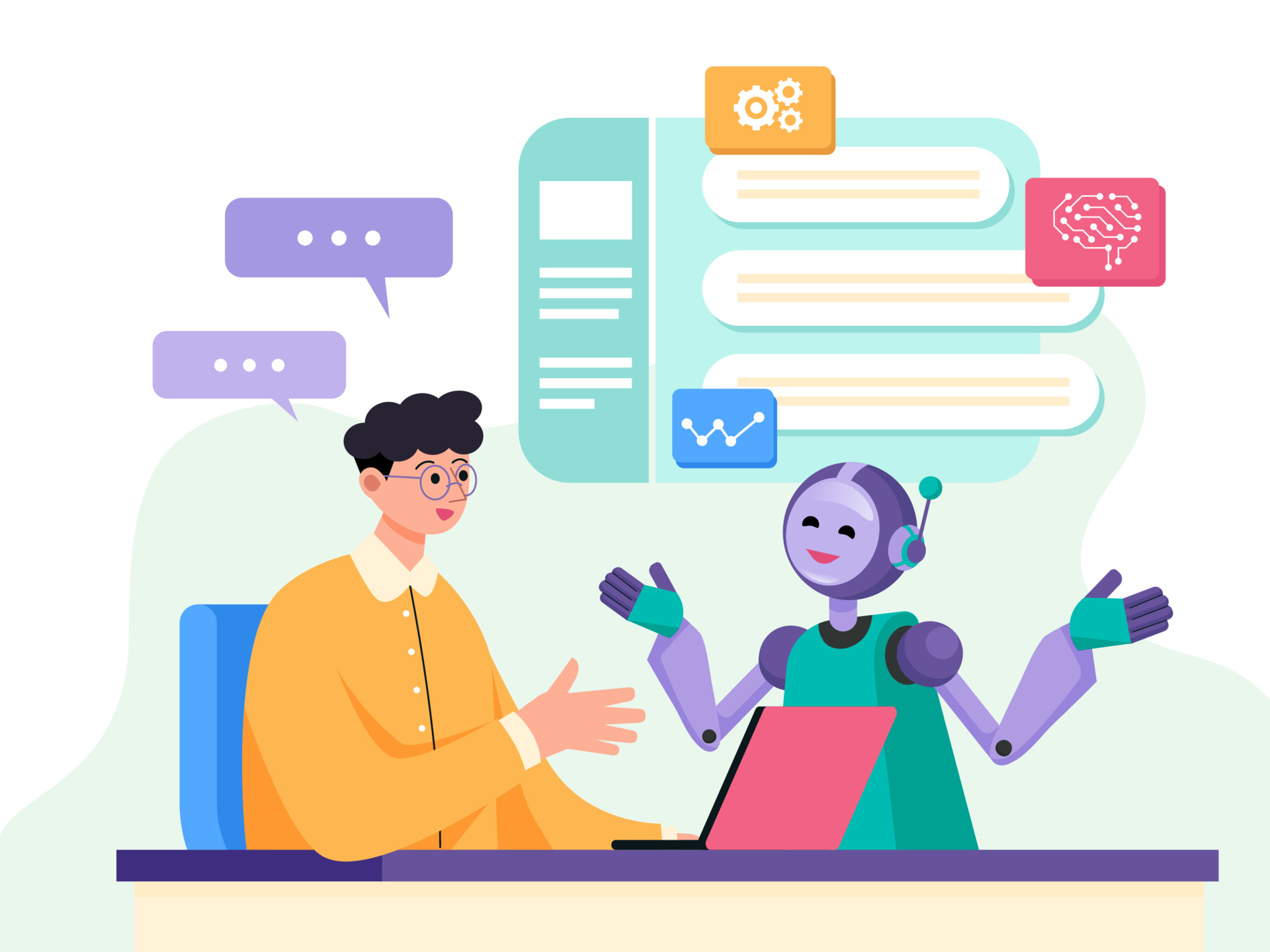
An AI service desk utilizes machine learning and natural language processing to streamline support tasks and improve interactions. By automating routine inquiries and problem-solving, these systems free up human agents to tackle more complex issues, ultimately creating a smoother workflow. Organizations leveraging AI service desks often experience reduced ticket resolution times and improved overall service quality.
In this article, we will delve into the fundamental aspects of AI service desks, explore ten surprising benefits they provide, and discuss creative ideas for implementing AI in service desk operations. Prepare to discover how this technology can reshape the future of customer support and drive operational excellence.
What is an AI service desk?
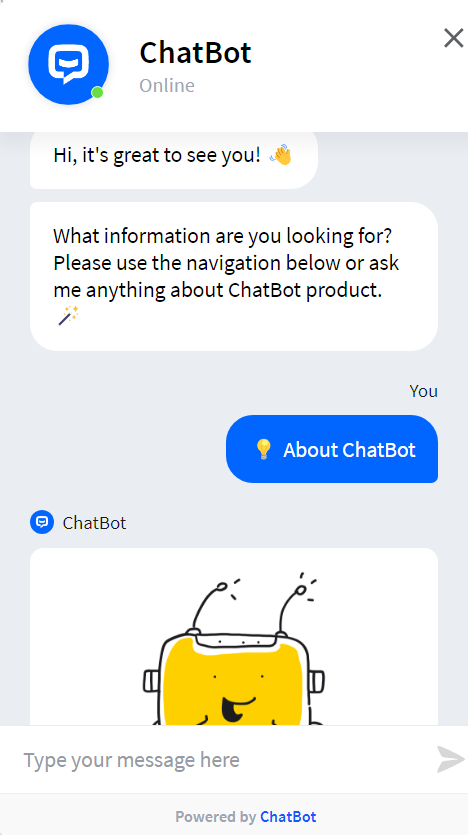
An AI service desk integrates artificial intelligence into traditional service desk operations to enhance efficiency and service delivery. Utilizing machine learning and natural language processing, this system can handle routine and repetitive tasks like password resets and service requests with minimal human intervention. AI-powered chatbots offer self-service capabilities, providing accurate and personalized responses, improving customer experience, and reducing response time for complex issues. This AI-powered solution also taps into knowledge bases to deliver faster resolution, handling customer sentiment effectively. By automating routine aspects of service management, an AI service desk reduces additional costs and enhances cost efficiency.
Key features of AI service desk
Feature
Benefit
AI-powered chatbots
Provides personalized responses
Natural language processing
Ensures accurate response
Self-service capabilities
Enhances service desk efficiency
Machine learning
Improves service desk capabilities
Automated routine tasks
Frees up human agents for complex issues
In summary, an AI service desk revolutionizes service management by streamlining operations and delivering an improved customer experience without the need for constant human oversight.
Top 10 surprising benefits of AI service desk
AI service desks are revolutionizing traditional IT support by offering numerous unexpected benefits. They not only improve service desk efficiency and cost efficiency but also elevate the overall customer experience. Here are the top 10 surprising benefits:
Faster resolution: AI-powered solutions like chatbots provide quick and accurate responses.
Cost efficiency: Routine tasks are automated, reducing labor costs significantly.
Scalability: Service desks can now handle high volumes of service requests efficiently.
Complex issue detection: Machine Learning aids in identifying anomalies before they become major problems.
Improved resource utilization: More resources are freed up for strategic tasks, minimizing additional costs.
Natural language processing: AI understands customer sentiment for more personalized responses.
24/7 availability: AI service desks operate around the clock, reducing response time.
Self-service capabilities: Customers can resolve simple issues, like password resets, without human intervention.
Enhanced service management: AI streamlines operations, particularly in repetitive and routine tasks.
Customer satisfaction: Faster and easier service delivery boosts customer experience.
These AI-driven advancements empower IT teams and redefine service desk operations, proving that AI isn’t just a tool—it’s an essential asset in modern service management.
How to use AI in the service desk creatively
Incorporating AI into service desks can unlock creative and efficient solutions that enhance customer experience and streamline operations. Consider using AI-powered chatbots to handle not just routine tasks like password resets, but also to engage in interactive storytelling to make waiting times more entertaining. This can improve customer sentiment and make the service experience more memorable.
AI can also analyze customer sentiment from service requests and adapt responses in real-time, offering personalized interactions without human intervention. Additionally, creating AI-driven knowledge bases that continuously learn from service history can provide accurate responses and faster resolution of complex issues.
Interactive chatbots: making support engaging
AI-powered chatbots can go beyond scripted responses by integrating interactive storytelling. Instead of providing dry, robotic answers, these chatbots can:
Use gamification elements to guide users through troubleshooting steps.
Offer conversational narratives that make problem-solving more engaging.
Adapt their tone and language to match the user’s preferences and personality.
For example, a chatbot could turn a password reset process into a guided adventure, making routine tasks more enjoyable.
Emotion analysis: adapting responses based on sentiment
Natural Language Processing (NLP) and AI-driven sentiment analysis allow service desks to recognize and respond to customer emotions in real time. AI can:
Detect frustration or urgency from a customer’s tone and prioritize the request.
Adjust the chatbot’s responses to be more empathetic when users express frustration.
Escalate complex or emotionally charged issues to human agents for personalized handling.
This ensures that users feel heard and valued, enhancing overall customer satisfaction.
AI learning modules: smarter knowledge bases for faster responses
AI can continuously learn from past interactions to refine and improve service desk efficiency. By leveraging machine learning, AI-powered knowledge bases can:
Auto-suggest the most relevant solutions based on historical data.
Continuously update FAQs and troubleshooting guides without manual input.
Personalize responses based on the user’s profile, preferences, and past queries.
This dynamic approach improves response accuracy and significantly reduces resolution time.
Cost efficiency programs: reducing additional costs with AI automation
AI helps businesses optimize resources by automating repetitive tasks and reducing operational costs. This includes:
Handling routine service requests like password resets, access approvals, and software installations.
Automating ticket categorization and routing to ensure faster processing.
Reducing dependency on large support teams, allowing human agents to focus on high-value interactions.
By integrating AI into service desk operations, companies can achieve cost savings while improving efficiency and user experience.
By reimagining traditional service desks with these AI solutions, companies can boost service desk efficiency and elevate customer experiences like never before.
What is the difference between an AI service desk and a human helpdesk agent?
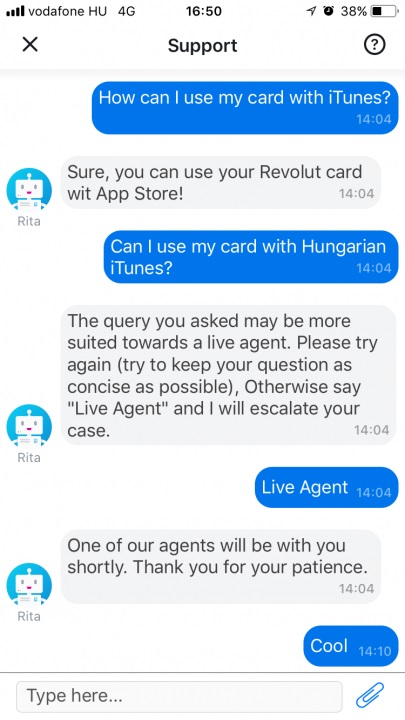
AI-powered chatbots have become an integral part of modern customer service, handling queries, troubleshooting issues, and improving efficiency. But can they truly replace human agents in IT and service desk operations? AI chatbots are designed to automate responses, resolve common IT issues, and streamline support processes. Here’s how they compare to human agents:
Feature
AI service desk
Human Helpdesk Agent
Response Time
Instant
Varies based on availability
Availability
24/7
Limited working hours
Accuracy
High for predefined queries
Better at handling complex cases
Personalization
Limited but improving
Fully personalized support
Cost
Lower operational costs
Higher staffing expenses
While AI bots efficiently handle routine requests, human agents excel in complex issue resolution, customer empathy, and decision-making.
The hidden risks of over-relying on AI chatbots in your business
AI-based service desks are becoming the go-to solution for businesses looking to automate and optimize their customer support. Powered by artificial intelligence, these systems promise faster response times and streamlined IT support. However, before committing to AI IT service desks, it’s essential to understand the potential risks. Here’s why relying too heavily on helpdesk artificial intelligence could lead to unintended consequences.
AI lacks the human touch: Empathy still matters
While AI IT service desks can provide quick responses, they often lack the human touch that’s essential in customer support. Helpdesk artificial intelligence can address basic queries, but it can’t replicate the empathy and understanding that a human agent provides. When customers encounter complex or emotional situations, they need more than just a solution—they need reassurance and empathy, something AI help desk software can’t offer.
Complex problems? AI help desk software might struggle
AI-based service desks excel at handling repetitive, routine tasks. However, when it comes to solving more complex issues, help desk artificial intelligence often falls short. Helpdesk AI relies on pre-programmed responses and patterns, which makes it ill-equipped for critical thinking or creative problem-solving. For nuanced or uncommon problems, the need for human intervention remains high. AI IT service desks can’t replace human expertise in such cases.
Integration challenges: AI must work with your existing systems
Integrating AI help desk software into your current IT infrastructure can be a tricky process. Helpdesk artificial intelligence systems must align seamlessly with your existing platforms, databases, and communication tools. If integration fails, it can result in disruptions and inefficiencies, frustrating both customers and your internal team. A seamless connection between AI IT service desks and your existing systems is crucial to maintaining smooth operations.
Risk of misunderstanding: AI doesn’t always interpret correctly
While AI-based service desks can process language quickly, they still struggle with nuances, tone, and context. AI help desk software can misinterpret vague or complex customer queries, leading to incorrect or irrelevant responses. Without human oversight, these misinterpretations can result in longer resolution times and customer dissatisfaction. Helpdesk AI might not fully understand the subtlety behind every question, leading to less effective support.
Security and compliance: Protecting sensitive data
As with any tool handling customer data, AI IT service desks must adhere to stringent security protocols. Without proper safeguards, there’s a risk of data breaches, leaving sensitive customer information exposed. Ensuring your AI help desk software complies with security and data protection laws is essential to avoid legal issues and reputational damage. Helpdesk artificial intelligence solutions must be built with security in mind to keep your customer data safe.
How AI chatbots boost profits and cut costs
From a financial perspective, implementing AI help desk software can significantly reduce operational expenses while enhancing service efficiency. Traditional help desks require extensive staffing, leading to higher salary and benefit costs. Training human agents is an ongoing investment, whereas AI-powered solutions require minimal updates once deployed. Moreover, maintaining 24/7 human support is expensive, while AI Chatbot ensures round-the-clock assistance at a fraction of the price.
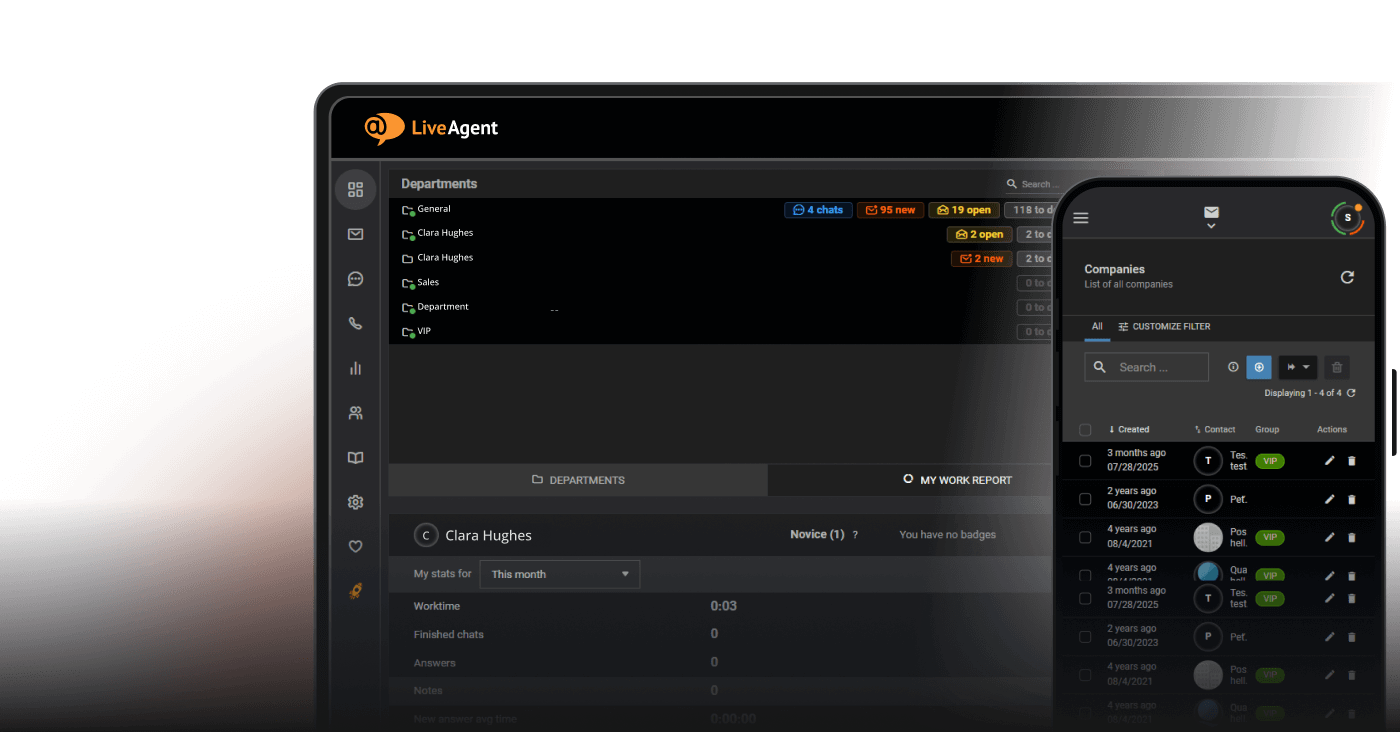
Businesses leveraging AI IT service desks report savings of up to 30–50% in support costs. LiveAgent also makes scalability seamless, allowing companies to manage increased workloads without a proportional rise in expenses. While human agents are still needed for complex issues, AI Chatbot offers a cost-effective alternative for handling routine queries and improving response times.
Real-world examples of AI chatbot success
Implementing AI-powered chatbots has enabled numerous companies to enhance customer service efficiency and achieve significant cost savings. Here are some notable examples:
1. Allstate Insurance
Allstate integrated AI to generate customer communication emails, resulting in messages that are more empathetic and effective than those crafted by human representatives. By leveraging OpenAI’s GPT models, the company produced clearer and more considerate communications, reducing customer frustration. This approach improved interactions between claims agents and customers, enhancing overall satisfaction.
2. Lyft
Ride-sharing company Lyft partnered with Anthropic to utilize the Claude AI assistant for managing customer service inquiries. This implementation primarily assists drivers and has reduced the resolution time for service requests by 87%. The AI provides drivers with specific requirements and information, streamlining support processes. Lyft ensures that while the AI handles common questions, complex issues are directed to human representatives.
3. HelloFresh
HelloFresh launched ‘Freddy," a chatbot on Facebook Messenger, to enhance customer experience. Freddy assists subscribers with managing subscriptions, troubleshooting delivery issues, and providing personalized recipe recommendations. Implementing Freddy led to a 76% faster average response time to customer inquiries and a 47% increase in customer engagement.
4. British Gas
British Gas deployed a customer service chatbot that fielded 2.5 million conversations in nine months. This initiative reduced calls to their contact center by 30% and achieved over an 80% customer satisfaction score. The chatbot provided instant self-service options, rapidly resolving a large volume of queries.
5. Slush
Event organizer Slush implemented an AI chatbot to support their small customer service team. The chatbot offered 24/7 support, leading to a 55% increase in service requests. Notably, the chatbot was able to answer 67% of those questions without needing input from a customer service advisor, significantly improving efficiency.
Should you replace human agents with AI?
While AI IT service desks offer efficiency, scalability, and cost savings, a hybrid model combining helpdesk artificial intelligence with human agents is often the best approach. Businesses can leverage AI help desk software for routine queries while keeping human agents for complex cases. Investing in help desk artificial intelligence is a step toward future-ready customer support, but human expertise remains invaluable.
A fully artificial intelligence help desk may seem like an attractive option for cost reduction and operational efficiency, but it comes with limitations. Helpdesk AI excels at handling repetitive questions, providing instant responses, and operating 24/7 without fatigue. However, it lacks critical thinking, emotional intelligence, and the ability to adapt dynamically to unforeseen challenges.
Human agents, on the other hand, bring empathy, creativity, and problem-solving skills that AI IT service desks cannot replicate. They can navigate grey areas, handle emotionally charged customer interactions, and offer personalized solutions. This is especially important in industries where customer trust and relationships are key to long-term success.
Conclusion
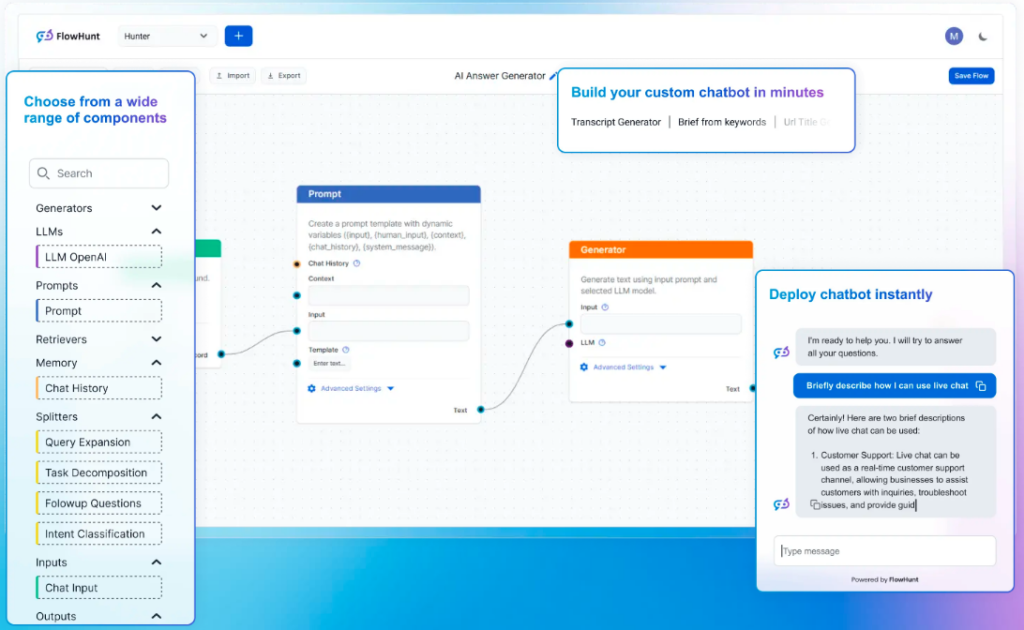
Instead of viewing helpdesk artificial intelligence as a replacement, businesses should focus on AI augmentation—using AI help desk software to enhance human productivity rather than eliminate it. Help desk artificial intelligence can handle first-level inquiries, sort and prioritize tickets, and assist human agents with data-driven insights, allowing employees to focus on higher-value interactions. For this balanced approach that leads to improved customer satisfaction, faster resolutions, and a more resilient service model you can try out LiveAgent, that also offers AI chatbot via its FlowHunt integration.
Ultimately, an artificial intelligence help desk is a powerful tool, but it works best when paired with human intelligence. Businesses that adopt a blended strategy—where helpdesk AI handles efficiency and humans deliver expertise—will see the greatest benefits in both cost savings and customer experience.
Share this article
Lilia is a copywriter at LiveAgent. Passionate about customer support, she crafts engaging content that highlights the power of seamless communication and exceptional AI-powered service.
Lilia Savko
Copywriter
Frequently asked questions
What is an AI service desk?
An AI service desk integrates artificial intelligence into traditional service desk operations to enhance efficiency and service delivery. It utilizes machine learning and natural language processing to handle routine tasks, provide 24/7 support, and improve customer experience through automated responses and intelligent routing.
What are the key benefits of AI service desks?
Key benefits include faster resolution times, cost efficiency through automation, 24/7 availability, improved scalability, enhanced customer satisfaction, better resource utilization, and the ability to detect complex issues before they become major problems.
Can AI service desks replace human agents?
While AI service desks excel at handling routine tasks and common queries, a hybrid model combining AI with human agents is most effective. Human agents are essential for complex issues, emotional intelligence, and personalized problem-solving that AI cannot fully replicate.
What are the main risks of over-relying on AI chatbots?
Key risks include lack of empathy, difficulty with complex problems, integration challenges with existing systems, potential misinterpretation of customer queries, and security/compliance concerns. A balanced approach combining AI and human support mitigates these risks.
How much can businesses save with AI service desks?
Businesses leveraging AI IT service desks report savings of 30-50% in support costs. Additional benefits include reduced training expenses, 24/7 availability without proportional staffing increases, and improved scalability without significant cost increases.
AI customer service agents: How do they improve client service?
AI customer service agents boost efficiency with instant responses, sentiment analysis, multilingual support, and personalized interactions. They reduce costs, ...
9 tips for the effective use of AI in customer service in 2025
Discover 9 tips for leveraging AI in customer service in 2025. Learn how AI enhances customer experiences, optimizes support processes, and aids decision-making...
17 min read
AI
Customer Service
+3
You will be in Good Hands!
Join our community of happy clients and provide excellent customer support with LiveAgent.