Bad customer service and how to avoid it: 12 best tips
Bad customer service harms business by causing customer loss, damaging reputation, and lowering loyalty. Common issues include long wait times, unfriendly staff, and unresolved issues. Learn how to improve service through better communication, empathy, and training.
Bad customer service and how to avoid it: 12 best tips
Bad customer service harms business by causing customer loss, damaging reputation, and lowering loyalty. Common issues include long wait times, unfriendly staff, and unresolved issues. Learn how to improve service through better communication, empathy, and training.
Customer service can make or break your business. If done poorly, it can drive customers away. This article explores the definition of bad customer service, how it impacts your business, the common causes behind it and how to handle customer complaints. You’ll also discover practical tips to enhance your customer service strategies.
What is considered to be bad customer service?
Customer service can manifest in various ways, but it generally involves failing to meet customer expectations. These negative experiences can vary widely but typically share common themes that are universally turning even loyal customers into frustrated customers.
When hearing about ‘bad customer service", it usually implies long wait times, unfriendly staff, rude behavior of customer support team, poor communication, or even an unresolved issue. But that’s not all that can go wrong.
Each aspect spoils the customer’s immediate experience and impacts their long-term relationship with the brand. This potentially drives them to seek alternatives with excellent customer service where they feel more valued and understood.
Understanding these pitfalls can help businesses identify and rectify the issues that might be delivering poor customer experience to their clientele.
How does poor customer support impact your business?
Bad customer service can significantly impact a business, influencing immediate sales, long-term reputation and customer loyalty. When customers encounter poor service, the ripple effects can be far-reaching, affecting various aspects of the business.
Losing customers
The most direct impact of poor customer service is the loss of customers. When customers have poor customer service experiences and their needs are ignored, they often go seek for alternatives.
According to a survey done in the US and UK, 63% of consumers say they would change brands because of bad customer service, and a staggering 49% say they have already done exactly that within the past year.
That percentage increases even further, showing 86 percent of customers will leave a brand they had been loyal to after 2 or 3 bad customer service experiences.
This shift can cost businesses a lot of money, with global estimates suggesting losses of up to $4.7 trillion each year due to poor service.
Negative word-of-mouth
Customers who experience bad service are more likely to share their experiences with others. Negative word-of-mouth can spread quickly, especially on social media platforms like Google Business Profile, where a single bad review can reach thousands of potential customers. Slow response times and inefficient resolution processes often lead to a frustrating customer experience.
Take United Airlines as an example. Their incident of forcibly dragging a customer off a plane is a common example of customer service failure. It spread like wildfire on social media, causing their stock prices to plummet by nearly a billion dollars in market cap value.
Ongoing issues with customer service, such as unresolved routine inquiries or delays during peak times, can damage a company’s brand reputation. This can be costly and time-consuming to rebuild, impacting partnerships and deterring investors. To mitigate these risks, companies should prioritize faster resolutions, instant responses through voice assistants, and comprehensive training programs for staff.
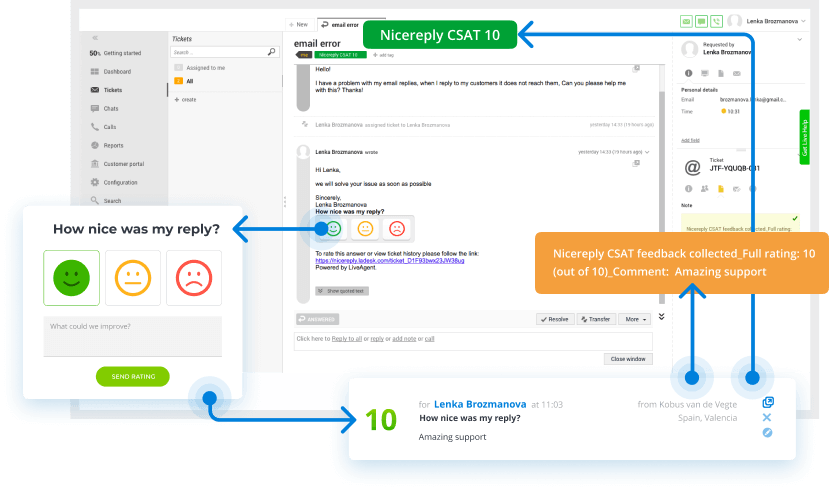
Encouraging feedback through surveys and using it to train staff and refine processes improves the efficiency of customer service. Businesses that address common themes in complaints and deliver quick resolutions not only enhance the customer experience but also safeguard their reputation.
Lowered employee morale
The impact of poor customer service isn’t limited to external consequences; it can also affect internal team morale and productivity.
Employees who are constantly dealing with unhappy customers can become demotivated, which often lead to lower productivity and higher turnover rates.
Increased operational costs
Handling complaints and resolving customer issues typically require more resources than maintaining consistent, good customer service. Increased returns, refunds, and the need for additional support can drive up operational costs significantly.
In some industries, particularly those heavily regulated like finance and healthcare, poor customer service can lead to breaches of compliance, resulting in legal actions and hefty fines.
Businesses that prioritize addressing these areas often find that investing in good customer service can not only mitigate these negative impacts but also enhance customer satisfaction, loyalty, and ultimately, profitability.
Addressing customer service issues proactively is essential for maintaining a positive brand image and ensuring sustainable business growth.
Weak communication skills
Effective communication ranks as one of the top customer service skills needed. Your team must be equipped with strong communication skills to handle various customer interactions.
What’s at stake?
Poor communication can lead to misunderstandings and a failure to address customer concerns quickly and effectively. It can escalate simple issues into major complaints, which usually leads to dissatisfaction and eroding trust in the brand.
Not only that, but poor communication directly affects customer retention rates. In fact, 68% of customers have switched service providers because of poor customer service, with communication issues often cited as a primary reason for dissatisfaction. This results in direct revenue loss and potentially higher acquisition costs as businesses spend more to replace lost customers.
Fortunately, skills can be learned and practiced, and all of those consequences can be avoided. If you’re unsure what exactly to look out for, check out our blog on key customer service skills to get a better picture of which direction to move in.
How to improve:
Provide role-playing scenarios: Implement role-playing sessions where customer service agents practice handling difficult situations. This helps develop their communication skills, ensuring they can manage and resolve customer inquiries effectively, even under pressure.
Use clear communication tools: Employ tools that ensure written communication is clear and free from errors. This is vital in maintaining clarity and professionalism in customer interactions, which prevent misunderstandings.
Effective communication skills are often developed, not inherent. Providing ongoing training and support is crucial to equip all employees with the necessary skills to handle customer interactions proficiently.
Ignoring complaints and feedback
Think about it. Listening to customer complaints and negative feedback, while sometimes hard to swallow, is an absolute necessity for continuous improvement. Acknowledging and addressing these concerns makes customers feel valued and can lead to better service quality.
On the contrary, ignoring customer feedback can lead to repeated mistakes and unresolved issues. This creates a cycle of poor service that frustrates customers and, in the long run, loses trust. Customers who feel unheard are less likely to remain loyal and more likely to share their bad experiences with others, further damaging the brand’s reputation.
A study by Esteban Kolsky found that while 13% of unsatisfied customers will share their complaint with 15 or more people, only 1 in 26 angry customers actually complain directly to the company.
The silent majority simply leave and never return. And we all know what that means for the company’s bottom line.
How to address it:
Create a feedback loop: Implement systems that track and respond to feedback efficiently. Make sure that each customer service rep understands their role in this process and is empowered to act on feedback to improve service quality.
Regularly review feedback: Conduct regular reviews of customer feedback to identify recurring issues. This proactive approach allows for continuous improvement and helps prevent the same issues from affecting more customers.
Make feedback work for you: Never overlook customer feedback or fail to address issues that recur. Ignoring such feedback harms customer relationships, not to mention all the missed opportunities to improve products, services, and customer interactions.
Understaffing and long wait times
We’ve probably all experienced it at least once in our lives. Picture this:
Long wait times.
Overwhelmed staff.
Rushed service.
This is where the frustration creeps in, and ends up in a bad customer experience.
67% of customers have hung up the phone out of frustration that they could not talk to a real person.
Understaffing leads to longer wait times and can overwhelm existing staff, which reduces their ability to focus on each customer’s needs effectively. This results in a rushed and often subpar service experience, inevitably decreasing overall customer satisfaction and increasing frustration.
The impact of understaffing and long wait times extends beyond immediate customer dissatisfaction. It affects immediate sales as well as the company’s reputation and customer loyalty in the long term.
But it’s preventable.
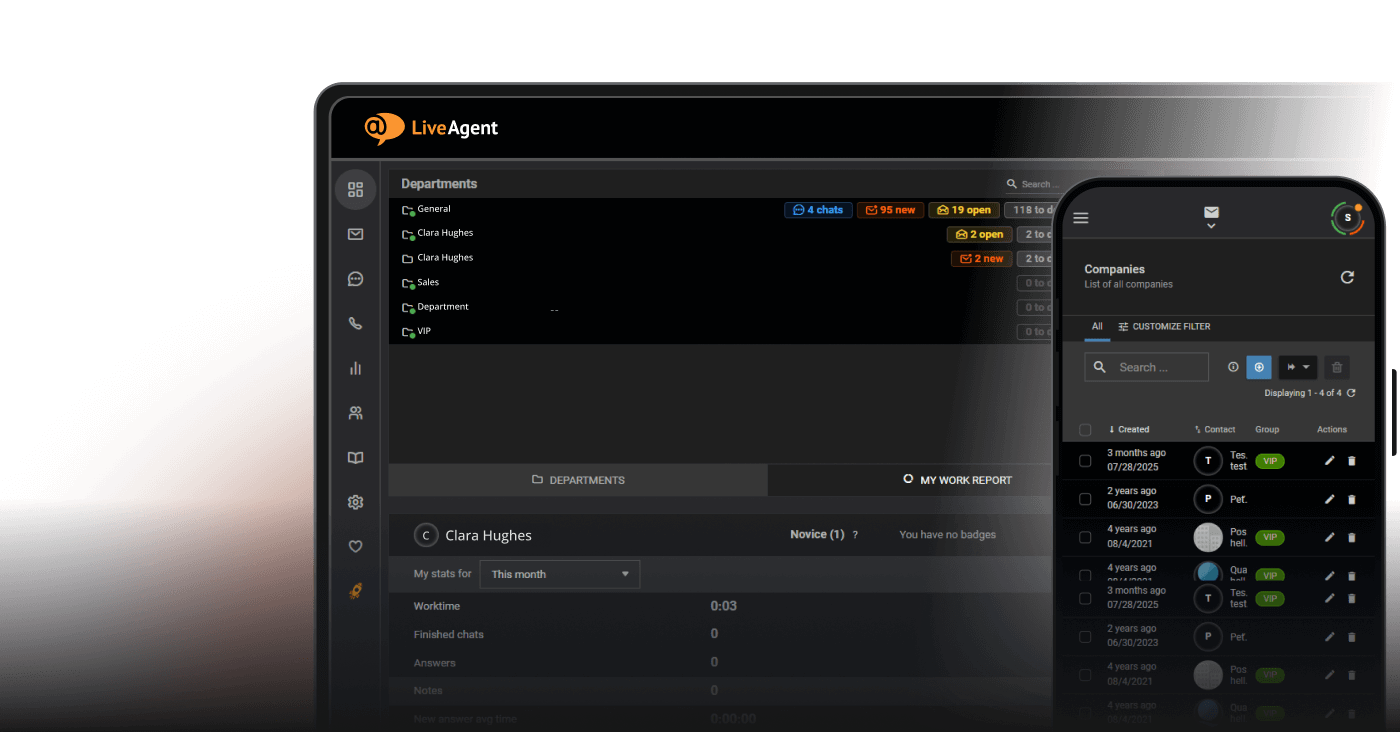
Use workforce management tools: Employ tools like LiveAgent’s staffing and workload management features to ensure adequate coverage, especially during peak times. These tools optimize staffing levels based on predicted demand, preventing bottlenecks and improving real-time customer support for chat customers and other common customer inquiries. Automated systems can further enhance efficiency by handling routine tasks, allowing the entire customer care team to focus on more complex needs.
Hire flexibly: Consider hiring temporary or part-time staff during peak seasons or product launches. This strategy helps manage high volumes of inquiries without overwhelming permanent staff, ensuring empathetic behavior and maintaining strong communication strategies. Providing real-time customer support during these times is essential for staying ahead of Customer Experience Trends.
Cut staffing costs: Avoid reducing staffing levels to save on operational costs. Understaffing leads to longer wait times, overworks employees, and can compromise the quality of customer service. Instead, use canned responses and workforce management tools to streamline operations while enabling the team to deliver empathetic behavior and personalized support.
By aligning with insights from the latest Customer Experience Trends Report, businesses can empower their entire customer care team to meet customer needs effectively, ensuring a positive experience across all communication channels.
18 Causes of Poor Service and Solutions
Inconsistent service quality
Predictable might sound boring, but in customer service, it means customers can always know what to expect, which is a good thing. Nobody wants a hit-or-miss when it comes to dealing with customer service.
If it’s great every time, it builds trust.
Consistency in service quality is crucial to building customer loyalty. Variability in service can lead to confusion and disappointment, reducing the customers’ confidence in the brand.
Inconsistency in service quality often comes from a lack of standardized processes, insufficient training, or varying capabilities among staff. Fluctuating levels of service at different times or from different representatives creates a fragmented experience.
This can lead to a decrease in repeat patronage, negative word-of-mouth, and higher customer churn. So how can you avoid it?
Standardize Training Programs: Regularly train staff to deliver consistent, high-quality service. Incorporate insights from the Customer Experience Trends Report, emphasizing chat customer interactions and resolving common customer needs to stay ahead in Customer Experience Trends.
Use quality monitoring tools: Implement tools that continuously monitor service quality across different channels and agents. These tools can provide analytics and insights to help identify areas of inconsistency and address them quickly.
Allow variability: Don’t permit service quality to fluctuate significantly between different customer service representatives or locations. Making sure there is consistent service delivery should be a priority to avoid losing customer trust and satisfaction.
Lack of product knowledge
Proper product knowledge is vital for resolving complex issues. Conversely, misinformation can lead to significant customer dissatisfaction and – of course – jeopardize trust in the brand.
According to an American Express survey, 62% of consumers say that a representative’s knowledge and resourcefulness play an important role in their perception of the brand. Misleading information or inadequate product knowledge can impact this perception.
Without a deep understanding of the products or services they are supporting, customer service representatives are unable to provide accurate and helpful answers. This often leads to longer resolution times, incorrect information, and a higher likelihood of customer frustration and repeated contacts.
It can diminish a company’s credibility and make it difficult to build long-term customer relationships.
Misleading information can also lead to increased returns, complaints, and negative reviews. All at the expense of the company’s reputation. So how to combat it?
Organize regular product training: Ensure your customer support team receives ongoing training updates on all products and services. This helps keep your staff informed and ready to assist customers with accurate information.
Create knowledge bases: Make thorough and accessible knowledge bases that staff can refer to quickly during customer interactions. This supports consistency and accuracy in the information provided.
Never ignore training: Never allow employees to handle customer inquiries without adequate knowledge. Doing so can lead to the provision of incorrect information and decrease overall customer satisfaction.
Outdated customer interaction software
Modern technology is essential for boosting efficiency and maintaining high levels of customer satisfaction. Outdated systems, on the other hand, can significantly slow down processes and lead to frustration for both employees and customers.
We can all learn a lesson from the 2016 Delta Airlines system outage. Around 2,300 flight cancellations, days of disruption for passengers, and at least $150 million in losses. What went wrong?
Their customer support was severely impacted. The system failure led to a backlog of passengers, with flight cancellations and delays compounding the frustration. Customer service representatives struggled to access booking and flight information, which hindered their ability to provide timely assistance.
The outage also overwhelmed phone lines, social media channels, and airport staff, leading to long wait times and confusion. Many passengers faced difficulties getting rebooked or receiving updates, resulting in heightened dissatisfaction.
In the long run, using outdated technology not only affects customer satisfaction but also has broader implications for a business. These include decreased productivity, higher operating costs, and reduced competitiveness. How do you prevent this?
Invest in modern tools: Allocating budget to invest in modern customer service technologies like CRM systems, chatbots, and automated self-service portals can streamline processes and enhance service delivery.
Regularly update systems: Keep all technology and tools up to date and functioning efficiently to avoid the pitfalls of system outages and compatibility issues. An attempt at automation without proper updates can lead to failures, where money through automation backfires, negatively affecting service delivery. Regular updates ensure the systems are aligned with current business practices, preventing issues that could hinder performance.
Lack of empathy and personalization
Today’s tech-savvy customers increasingly expect empathy and personalization in their customer support interactions. Human customer care agents play a pivotal role in providing empathetic and tailored service—particularly during service recovery scenarios or when communicating via email. A poorly managed customer service desk erodes trust, while empowering the entire customer care team fosters seamless customer routing and facilitates more impactful, personalized interactions across all channels.
A 10-hour customer call takes the cake here. That’s right, a customer service agent once stayed on a phone call for a whole 10 hours and 43 minutes. Zappos encourages their customer support agents to stay on the line as long as necessary and go the extra mile. Whether this was a secret Guinness World Records mission or a show of absolute dedication, the bar has been officially raised.
Not to mention, a survey found that 44% of consumers are likely to become repeat buyers after a personalized shopping experience.
Lack of empathy and personalization can make interactions feel cold and impersonal. When customers don’t feel understood or appreciated, their connection to the brand weakens. This lack of connection can result in decreased customer loyalty, increased churn, negative reviews and a tarnished brand reputation.
If you want to reduce customer turnover and increase customer lifetime value, here’s what to pay attention to.
Personalize interactions: Leverage customer data and advanced analytics tools to personalize interactions, addressing customers by name and making relevant recommendations. CRM systems are an essential tool for providing insights to facilitate this by providing comprehensive customer insights.
Empathy training: Conduct regular training sessions that focus on empathy. Teach customer service representatives how to recognize and respond to customers’ emotions and situations. Role-playing scenarios can be particularly effective in developing these skills.
Ignore individual needs: Each customer interaction should be tailored to the individual’s specific needs and history with your company. Avoid a one-size-fits-all approach, which can lead to customers feeling unimportant and overlooked.
Dismiss concerns: Never dismiss or downplay customer concerns. Acknowledging and addressing these issues sincerely is crucial to building trust and rapport.
Poor management
Now it’s time to turn inwards, straight to internal management. The best business practice shows that managers who lead by example and support their teams directly influence the quality of customer interactions and the overall service environment.
Gallup, companies that successfully engage their employees report:
70% fewer safety incidents
41% fewer quality defects
10% increase in customer loyalty
Poor management can lead to ineffective automation attempts, such as implementing phone automation systems with frustrating and agonizing menus. Without leveraging advanced analytics tools as an essential tool, management fails to understand customer needs, missing the opportunity for regular communications that could enhance the experience. The lack of empathetic communication skills in these systems only exacerbates frustration, turning a cost-saving measure into a customer satisfaction issue.
Managers who don’t provide clear guidance and support may inadvertently foster an environment where customer service representatives are unsure of procedures. What comes next? Inconsistent service quality and decreased customer satisfaction.
Ineffective management practices in customer service operations can result in high employee turnover, increased operational costs, and a frustrating customer experience. For example, an insurance company with an incompetent customer service desk risks damaging its reputation. Dissatisfied employees are less likely to deliver real-time customer support, leading to inefficiencies in the resolution process and poor response to customer feedback.
How to avoid it?
Implement mentorship programs: Pair new managers with experienced mentors to develop skills in managing multichannel customer strategies, including handling routine inquiries and chat customers. This supports continuous improvement and ensures the efficiency of customer service operations.
Set clear goals and expectations: Define measurable objectives for customer service managers to address Customer Experience Trends, such as reducing transfer rates and improving instant responses through automated systems and voice assistants in the contact center.
Encourage positive reinforcement: Recognize managers who excel at creating effective communication strategies and implementing canned responses, comprehensive training programs, and feedback through surveys. Such recognition motivates leadership that aligns with customer service goals.
Avoid micromanagement: Empower managers to delegate responsibilities and trust human customer care agents to deliver exceptional service. This approach prevents the inefficiencies associated with micromanagement and fosters a productive work environment.
Recognize good management: Consistently acknowledge and reward managers who demonstrate strong leadership. This promotes a culture of accountability and encourages human customer service agents to excel in delivering seamless experiences for common customers.
Employee burnout
Here we are, let’s finally talk about it: The ‘B" word.
Burnout is a significant factor that can degrade service quality. It can lead to disengagement, reduced efficiency, and increased errors, all of which negatively affect customer service.
A burned-out human customer service agent is less likely to go the extra mile for customers or engage with them in a genuinely helpful and enthusiastic manner.
In fact, employees who feel burned out are 63% more likely to take a sick day and 2.6 times more likely to be actively seeking a different job.
The consequences of employee burnout are long lasting and extend beyond poor customer interactions. It leads to higher turnover rates in the customer service department, increased training costs, and a damaged company reputation if not addressed. Additionally, it takes a toll on the overall morale and collaboration within the team.
When employees are engaged and supported through regular communication, they are way more likely to deliver exceptional customer service.
Here are tips for you:
Monitor workload: Use innovative tools to manage employee workloads, preventing overburdening and an incompetent customer service desk. This ensures the system routes customers efficiently through multichannel customer support, allowing human customer service agents to handle tasks effectively.
Promote work-life balance: Encourage employees to maintain a healthy work-life balance by taking regular breaks and utilizing their vacation time. Promoting flexible work schedules can also help employees manage stress more effectively.
Provide support and resources: Offer resources such as mental health days, wellness programs, and access to counselling services to help employees cope with stress and prevent burnout.
Avoid overworking employees: Use innovative tools to facilitate these conversations, and ensure that empathetic communication skills are applied during communication during service recovery to maintain morale and motivation.
Don’t ignore signs of burnout: Ensure there is adequate support and recognition for the work they do to prevent burnout. Regular communications with employees, including communication from email, can help identify early signs of stress and offer timely support.
Overcomplicated processes
Sometimes, less is more. And it’s completely fitting when it comes to customer service processes.
The numbers even support this. It’s shown that 89% of customers get frustrated because they need to repeat their issues to multiple representatives. Most of the time, this is due to complex and siloed processes, and just leads to bad customer service examples.
Complicated procedures often result in longer handling times, mistakes, and a lack of consistency in customer interactions. They can be a source of significant frustration for both employees, who struggle to navigate them, and customers, who experience the delays and errors they cause.
These overly complex processes can lead to increased operational costs, lower employee productivity, and decreased customer loyalty. Businesses may also see a rise in customer complaints and a reduction in repeat business as customers look for competitors with more streamlined service.
How do I simplify the process?
Map out current processes: Use business info mapping tools to conduct a thorough analysis of existing workflows. Visualizing each step helps identify bottlenecks and inefficiencies. This detailed overview is essential for understanding how processes can be simplified.
Engage frontline staff: Involving employees who interact with these processes daily provides valuable insights into practical improvements. Their first-hand experience is crucial in pinpointing specific issues and generating effective solutions.
Don’t
Forget to train for new processes: Implementing new, simplified processes requires comprehensive training to ensure all customer service team members understand and can effectively adapt to these changes. Training helps mitigate confusion and errors during the transition period.
Overlook continuous improvement: Once new processes are in place, continuously review their effectiveness and make adjustments as necessary. Continuous improvement helps to maintain efficiency and adapt to changing business needs or customer expectations.
Unprofessional behavior
Someone, somewhere, once said, ‘The customer is always right." This realistically isn’t always exactly the case, and many customer service agents have been pushed to their limits. Unsurprisingly, customer service agents have human reactions to these cases. But it does have repercussions, excusable or not.
Professionalism in customer service is absolutely crucial. Unprofessional behavior can severely damage your brand’s reputation, erode trust, and harm relationships with customers.
Unprofessional behavior, such as rudeness, dismissiveness, or lack of courtesy, can instantly undermine a customer’s perception of a brand. When customers encounter unprofessional staff, they are likely to question the company’s values and standards, which can dissuade them from future interactions or purchases.
If it’s left to get out of hand, it can also lead to becoming someone’s worst customer service experience ever, which is pretty memorable.
Ryan Block probably has a few things to say about this. In 2014, he tried to cancel his Comcast subscription, but the customer service representative was just not having it. Apparently, when the representative asks ‘How may I help you?", cancelling a subscription wasn’t included.
Block: ‘The way you can help me is by disconnecting our service. That’s how you can help me.’
Service Rep: “But how is that helping you though?”
Block: “Because that’s what I want.”
Service Rep: “Explain to me how that is helping you.”
Block: “That’s what I want.”
Service Rep: “Why is that what you want?”
The ramifications of unprofessional behavior extend beyond individual customer interactions. They can lead to widespread negative reviews and social media backlash, which can significantly affect a brand’s public image and deter potential customers.
Strategies to utilize:
Develop a code of conduct: Establish a clear code of conduct that outlines expected behaviours and professionalism standards. Make sure all employees understand these expectations and commit to upholding them in every customer interaction.
Foster a positive work environment: Cultivate a workplace culture that encourages respect and support among team members, using innovative tools to recognize and reward professional behavior. Regular communications can reinforce the importance of these standards, motivating employees to maintain high-quality interactions.
Apply empathetic communication skills in communication during service recovery to ensure positive outcomes, especially when issues arise. Social media monitoring tools and communication from email can help identify and address unprofessional behavior early, preventing it from escalating and protecting the company’s reputation.
Adopt constant training and development business practice: Continuous training programs for human customer care agents that emphasize professionalism and customer handling skills are essential. Regular training helps employees navigate challenging interactions and reinforces the behavioural standards expected by the organization.
Poor follow-up
Did you know that the probability of selling to an existing customer is 60-70%, while the probability of selling to a new prospect is only 5-20%?
Effective follow-up plays a significant role in maintaining these valuable existing customer relationships. It shows a commitment to customer satisfaction and making sure issues are fully resolved.
Lack of proper follow-up leaves customers feeling neglected and undervalued, especially if their issues remain unresolved or their satisfaction is not confirmed. This oversight can jeopardize trust in the brand and discourage customers from returning.
How does this look?
A higher churn rate and lost sales opportunities. It can also impact a company’s reputation negatively if customers share their poor experiences on social media or review platforms, potentially deterring new customers.
Do:
Set clear follow-up timelines: Establish and communicate specific timeframes for follow-ups to occur after an issue is resolved. This makes sure that customers are not left wondering if or when they will hear back from your company.
Don’t
Forget to document interactions: Always record details of follow-up interactions, such as statuses and summaries, in your phone automation systems or customer service platform . This helps in tracking the progress of resolutions and provides valuable historical data that can inform future interactions.
Ignore customer feedback: Use follow-up opportunities to gather feedback on how the issue was handled and how the customer felt about the service they received. This feedback is crucial for continuous improvement and can guide staff training and process adjustments.
Language barriers
Diversity is a beautiful thing, but sometimes leads to a mild case of Babylonian confusion.
Language barriers lead to misunderstandings and frustration for both customers and service representatives. It’s a good idea to have dedicated teams for different languages or invest in translation services to ensure clear communication.
Complex return/refund policies
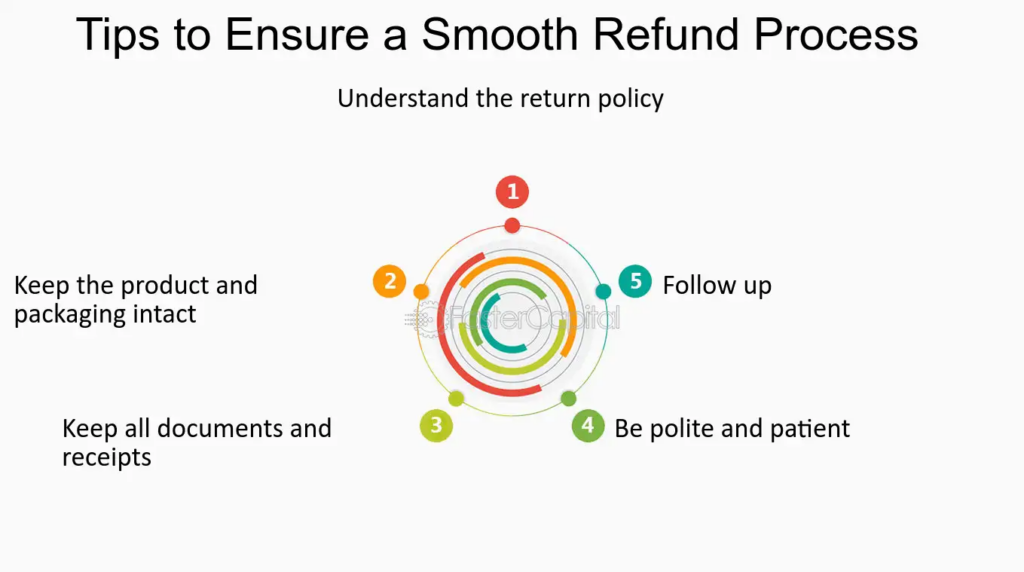
If someone is already unhappy with the product or service, it’s probably wise to not make it any worse and overcomplicate the return process.
A difficult return policy will be remembered, especially when considering a next purchase. If a customer knows there’s a complicated return policy, they may opt out of making the purchase all together.
Simplify these procedures to make returns as easy and hassle-free as possible, which can increase customer trust and encourage repeat business.
Cultural insensitivity
A little awareness goes a long way.
Be mindful of cultural differences to avoid offending customers and damaging your brand’s reputation. Providing proper training ensures staff can respectfully interact with a diverse customer base, fostering an inclusive environment aligned with customer preferences.
Offering self-service options alongside a communication channel with a real person allows businesses to cater to different needs effectively. This balance builds a positive brand image and supports a welcoming experience for all.
Negative company culture
Negative company culture has a significant impact on work performance. By addressing it proactively, businesses can ensure their teams are equipped to deliver exceptional service while maintaining respect and inclusivity.
A toxic work environment often leads to poor service as demotivated employees are less likely to deliver negative customer experience.
Reward good behaviour and address negative behaviour to keep employees motivated, which in turn enhances their performance.
Reap the benefits of this and watch how it affects customer satisfaction.
Failure to adapt to change
The world is fast-paced, and new news becomes old news way faster than it used to.
Don’t stay behind, as failure to adapt to change can make your services obsolete. Keeping up with industry changes and trends ensures you meet evolving customer expectations and ensure positive customer experience.
This is crucial for long-term business sustainability, so stay relevant.
Ignoring industry trends
Trends are what’s ‘in" – which is usually something to pay attention to in order to stay relevant. Ignoring trends can make your services obsolete and irrelevant in the market.
Make sure to conduct frequent market research and integrate relevant trends in customer service interactions to continually meet customer needs and stay ahead in the market.
That way, you can maintain a competitive edge and keep driving growth.
Poor crisis management
You don’t want to find out you can’t handle a crisis- while in the crisis.
Poorly handled crises can damage your reputation and customer trust.
Be proactive and prepared by developing clear escalation paths to handle emergencies smoothly. This approach ensures quick resolution while maintaining customer trust and fostering positive experiences. By integrating a human touch into your processes, you can enhance business resilience and build lasting customer loyalty.
Unclear customer service channels
Don’t make it hard for customers to get a reply their common questions, as this can lead to frustration and loss of business.
Meet customers where they are and try to reduce the amount of steps needed to get in touch.
Provide clear, accessible support channels on social media. This should also include traditional customer service channels such as a user-friendly website, responsive chat, and a well-staffed call center to make sure customers can easily get the help they need.
Neglecting online presence
A big chunk of the global population is online these days, which means nearly everyone. Having a weak online presence hurts your brand and limits your ability to engage with customers and manage customer service operations effectively.
To maintain a positive brand image, consistently update your website, offer self-service options for basic questions, and provide real-time support with a human agent when needed. Responding to customer queries and online reviews shows a real person is addressing concerns, aligning with company policies. This approach creates happy customers, builds trust, and drives engagement.
3 bad customer service quotes to remember
“If you make customers unhappy in the physical world, they might each tell six friends. If you make customers unhappy on the internet, they can each tell 6,000.” – Jeff Bezos
That’s right, times have changed. Our voices are amplified with the power of social media through the ocean of the internet, and some people really take advantage of that.
‘If you are not taking care of your customer, your competitor will." – Bob Hooey
Just a friendly reminder that there’s always someone out there willing to do something you aren’t. Competition can be ruthless, but if you already have a customer in your hands, your best bet is to take care of them. Thanks, Bob.
‘It takes months to find a customer… seconds to lose one." – Vince Lombardi
This is a great way to visualize efforts. Customer acquisition is costly in itself, and people don’t stick around if the service isn’t great. The formula is clear here; It’s not just enough to find a customer, you have to keep them as well.
Conclusion
Customer service can make or break your business.
Poor service, like long wait times, unhelpful staff, and unresolved issues, drives customers away and damages your reputation. Addressing these issues with regular training, modern tools, and effective feedback systems can significantly improve customer satisfaction and loyalty.
To truly excel, businesses must also tackle language barriers, cultural insensitivity, and negative company culture. Using solutions like LiveAgent, which offers 24/7 support, an omnichannel inbox, and real-time live chat, can enhance efficiency and quickly resolve customer issues.
Consider the context and potential impact before complaining about poor service. If it's a one-off, address it directly. If it's a pattern, public complaints may be needed for resolution and prevention. Complaints can lead to improved services but may have potential consequences such as strained relationships. The decision to complain should be driven by constructive feedback, not malicious intent.
Apologize sincerely, take responsibility, and offer a solution. Follow up to ensure the issue is resolved and the customer is satisfied.
Define clear metrics such as response time, resolution rate, and customer satisfaction scores. Regularly review these metrics and adjust strategies as needed.
Dealing with dissatisfied customers can lead to employee burnout and low morale. Providing support and training can help improve job satisfaction.
Boost your customer service
Improve customer satisfaction and loyalty by addressing common service issues. Implement better communication, empathy, and training strategies.