

Customer Service Satisfaction
Boost customer service satisfaction with strategies, CSAT tools, and LiveAgent to exceed expectations. Learn how to measure and improve satisfaction metrics.
2 min read
Customer support
Customer satisfaction
+1


Learn how to express empathy in customer service to enhance satisfaction. Explore active listening, asking questions, and avoiding assumptions. Discover types of empathy and how LiveAgent can assist. Find FAQs and articles to boost your service skills.
A study found that 96% of consumers see empathy as one of the most important factors in positive customer support. This shows how empathetic communication can turn routine interactions into memorable experiences. When customers feel truly understood, their emotional connection to the brand grows, leading to greater loyalty and satisfaction.
Empathy in customer service means understanding and sharing the emotions of customers, which helps build trust and meaningful relationships. It involves placing yourself in the customer’s situation to feel what they are experiencing, including their challenges and frustrations. This skill goes beyond acknowledging a problem—it requires active involvement and a sincere effort to connect with their emotions.
For instance, if a customer is upset about a delayed delivery, an empathetic response would include recognizing their frustration, understanding how it affects their day, and offering a solution. Saying something like, ‘I understand how important this delivery is for you. Let me help resolve this for you," demonstrates empathy in action.
Sympathy, however, is about feeling pity or sorrow for someone’s hardship. It usually involves expressing regret without fully understanding their point of view or sharing their emotions. For example, saying, ‘I’m sorry you’re going through this,’ may show concern but doesn’t build the deeper connection that empathy does.
Empathy leads to greater customer satisfaction and loyalty. While sympathy can sometimes come across as distant or patronizing, empathy creates a stronger connection. When customers feel understood, they are more likely to trust the company and continue their relationship with it.
Using empathy in customer service enhances not just individual interactions but also long-term customer relationships and loyalty to the brand. Training programs for service teams can help develop empathetic skills, such as active listening and using validating language to acknowledge customer emotions.
Customer service interactions require not only problem-solving skills but also personalized solutions tailored to individual needs. Recognizing customer concerns and complaints with empathy ensures that customers feel heard and valued. Negative experiences, such as delayed responses or product issues, can be turned around with empathetic statements that validate the customer’s frustration and provide reassurance.
Empathy plays a key role in managing customer issues and customer service conversations effectively. An empathetic approach to handling angry customers can transform negative reviews into positive customer experiences. By going the extra mile to address customer complaints sincerely, businesses can create loyal customers who appreciate the effort to resolve their concerns.

Focusing on empathy instead of sympathy helps businesses create meaningful and impactful customer interactions. This ensures customers feel valued and cared for, which boosts satisfaction and loyalty. The context of customer service should always prioritize emotional connections, as they contribute to customer retention and brand advocacy.
Incorporating empathy in customer service interactions leads to more effective and rewarding customer relationships. When businesses understand the importance of customer emotions and use empathetic statements to acknowledge them, they can build long-term customer relationships that foster trust and satisfaction.
Empathy plays a key role in building customer loyalty by creating meaningful and emotionally connected experiences. A report from PwC found that 59% of customers would leave a brand after several poor experiences. However, interactions that prioritize empathy can help reverse this trend. When customers feel heard and valued, they are more likely to stay loyal to the brand, even when occasional problems occur.
For instance, using personalized communication, such as addressing customers by name and offering solutions tailored to their specific needs, strengthens emotional connections. Empathy also encourages forgiveness. Customers are often willing to overlook mistakes when they feel the company truly cares about their satisfaction. This kind of emotional connection ensures loyalty and reduces the likelihood of losing customers.
Empathy means understanding the emotions and perspectives of customers to create meaningful connections. It is essential for providing excellent customer service. By using practical techniques in customer interactions, service teams can build trust, increase satisfaction, and improve the overall customer experience.
Active listening helps you understand customers’ emotions and needs. It requires full attention to the customer, acknowledging their concerns, and confirming their feelings through reflective statements. Research from Sprinklr shows that active listening demonstrates genuine care and helps resolve issues more effectively. Here are some techniques to practice:
Personalization shows empathy by recognizing customers as individuals. Address them by their names, refer to their specific issues, and consider their interaction history with your company. Customers trust brands more when treated as individuals, not just transactions. Examples of personalization include:
The words and tone you use during customer interactions can greatly influence how empathetic you seem. Positive language fosters a sense of collaboration and optimism, even in difficult situations. For instance, saying “Let’s find a solution together’ instead of “I can’t help you with this’ makes the tone more constructive. Here’s how to improve your language:
Showing empathy includes taking responsibility for the customer’s concerns and assuring them that their issues are being prioritized. Acknowledging mistakes or delays with phrases like ‘We understand this is inconvenient, and we’re working on it’ helps reduce tension and shows accountability. Use these practices to take ownership effectively:
Perspective-taking means trying to see the situation from the customer’s point of view. This practice helps you connect emotionally and respond thoughtfully. Encourage service teams to ask themselves questions like ‘How would I feel in this situation?” to improve their empathetic responses. Perspective-taking strengthens long-term customer loyalty by building understanding and trust.
By applying these techniques, you can help your service team develop empathy in customer interactions. These strategies not only solve immediate problems but also leave a lasting positive impression, making customers feel valued and cared for. Using these methods can transform your approach to customer service and help you create meaningful connections with your audience.
In customer service, empathy statements are valuable tools for forming meaningful connections with customers. These statements show understanding, compassion, and a willingness to assist, helping to create rapport and build trust. When used effectively, empathy statements can turn difficult situations into opportunities for strengthening customer relationships.
Tips for using empathy statements effectively:
By including empathy statements in customer interactions, service teams can create rapport and trust. This leads to positive experiences that customers will remember and value.
Biases, whether conscious or unconscious, can greatly affect how well customer service representatives empathize with others. Research shows that unconscious biases often arise from stereotypes or preconceived ideas about certain customer groups, behaviors, or ways of communicating. These biases can lead to unfair treatment or misunderstandings during interactions with customers.
To address these biases, customer service teams need to start by increasing self-awareness. Regular training sessions that focus on recognizing and addressing biases are essential. For example, tools like Harvard University’s Implicit Association Test (IAT) can help employees identify hidden biases and develop a more inclusive mindset.
Companies should also encourage open discussions about diversity and inclusivity in customer interactions. By acknowledging biases and actively working to reduce them, employees can provide fairer, more empathetic service.
Stress is a common challenge in customer service roles, especially during busy times or when dealing with difficult situations. Chronic stress can make it harder for agents to regulate their emotions, which can reduce their ability to empathize with customers. Psychological studies, including those published in the Journal of Occupational Health Psychology, have shown that stress can lower someone’s ability to understand and respond to the emotions of others.
To manage stress, organizations can introduce strategies like mindfulness training and stress management workshops. Providing regular breaks, access to mental health resources, and a supportive work environment can also help employees handle stress better. For instance, mindfulness exercises like deep breathing or short meditation sessions can help employees regain emotional balance, enabling them to approach each customer interaction with empathy.
Empathy is a skill that can be developed through focused training programs. Effective training methods include role-playing exercises, scenario-based learning, and analyzing real-world case studies. These activities allow customer service agents to practice understanding customers’ perspectives and responding with compassion.
Research published in the Harvard Business Review shows that empathy training, combined with emotional intelligence development, can improve team performance and increase customer satisfaction. Training should emphasize active listening, validating emotions, and using empathetic language. For instance, agents can practice phrases like, ‘I understand how that situation might feel frustrating,’ to acknowledge customer emotions before offering solutions.
In addition to formal training, organizations should encourage a culture of empathy by recognizing and rewarding employees who consistently show empathetic behavior. Highlighting these actions reinforces their value and motivates others to adopt similar practices.

Giving employees the authority to make decisions that prioritize the customer helps make empathy a natural part of their interactions. Clear guidelines combined with autonomy allow employees to resolve issues proactively. For example, allowing customer service agents to issue refunds or offer solutions without needing managerial approval can reduce delays and show customers that their concerns are understood.
Recognizing and rewarding employees who demonstrate strong empathy reinforces its importance within your organization. Programs like “Employee of the Month”, " based on customer feedback, motivate employees to prioritize empathetic service. Research from the Society for Human Resource Management shows that recognition programs improve morale and productivity, further supporting a customer-first culture.
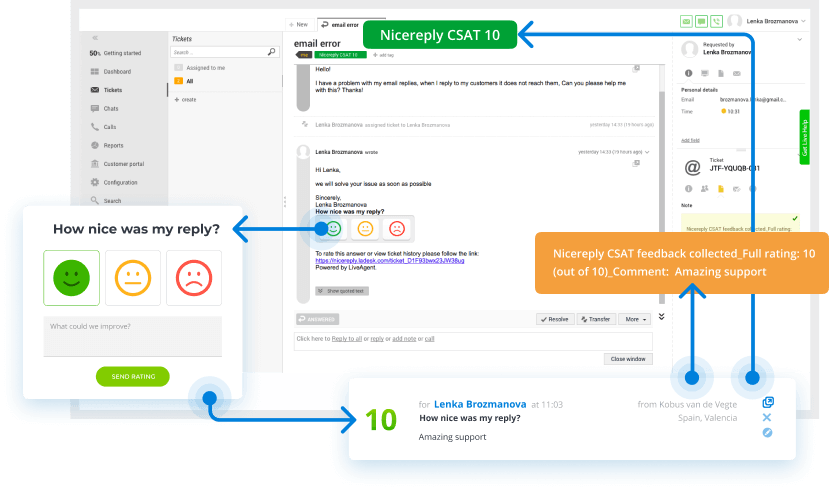
Gathering feedback from both customers and employees helps improve empathy-driven practices. Tools like customer satisfaction surveys and employee feedback platforms ensure that actionable insights are collected. For instance, using Net Promoter Scores (NPS) to measure customer experiences can reveal areas where empathy can be strengthened.
By applying these strategies, businesses can build a strong customer-first culture centered on empathy. This approach enhances customer satisfaction, boosts employee engagement, and fosters loyalty, creating a positive cycle of success.
Customer empathy is the foundation of exceptional customer service. By understanding and addressing your customers’ emotions, needs, and pain points, you can build stronger relationships, enhance customer satisfaction, and drive long-term loyalty. Implementing empathy in your support strategy isn’t just about responding to inquiries—it’s about making every customer feel valued and heard.
With LiveAgent, you can take your customer service to the next level. Our all-in-one help desk solution enables seamless communication, ensuring you never miss an opportunity to show empathy and improve customer experiences. Try LiveAgent’s 30-day free trial today and experience firsthand how empathetic support can transform your business!
Customer empathy is simply putting yourself in your customer's shoes to understand what they are going through.
When a business demonstrates empathy, it shows that they are genuinely concerned about their customers' needs and emotions, leading to increased customer satisfaction and loyalty. For example, when a customer service representative acknowledges and validates a customer's feelings, it can turn a negative experience into a positive one.
If you are struggling to express customer empathy in a professional and not overly emotional way, make sure to actively listen, ask questions, do not make assumptions, and if the customer is right, tell them.
The first type of empathy is compassion. This type of empathy is one that actually moves us to take an action. The second type is emotional empathy, which means that you can understand, but most importantly, relate to the feelings. The third type of empathy is cognitive, which recognizes the feelings of others.
Show your customers you truly care by understanding their needs and emotions. Use empathy to foster loyalty and create positive experiences.
Boost customer service satisfaction with strategies, CSAT tools, and LiveAgent to exceed expectations. Learn how to measure and improve satisfaction metrics.

Discover the 10 key characteristics to look for when hiring customer support representatives. Learn what makes an excellent support agent and how to build a win...
Discover how exceptional customer care builds loyalty, emotional connections, and brand trust. Learn strategies, benefits, and best practices now!
Join our community of happy clients and provide excellent customer support with LiveAgent.